


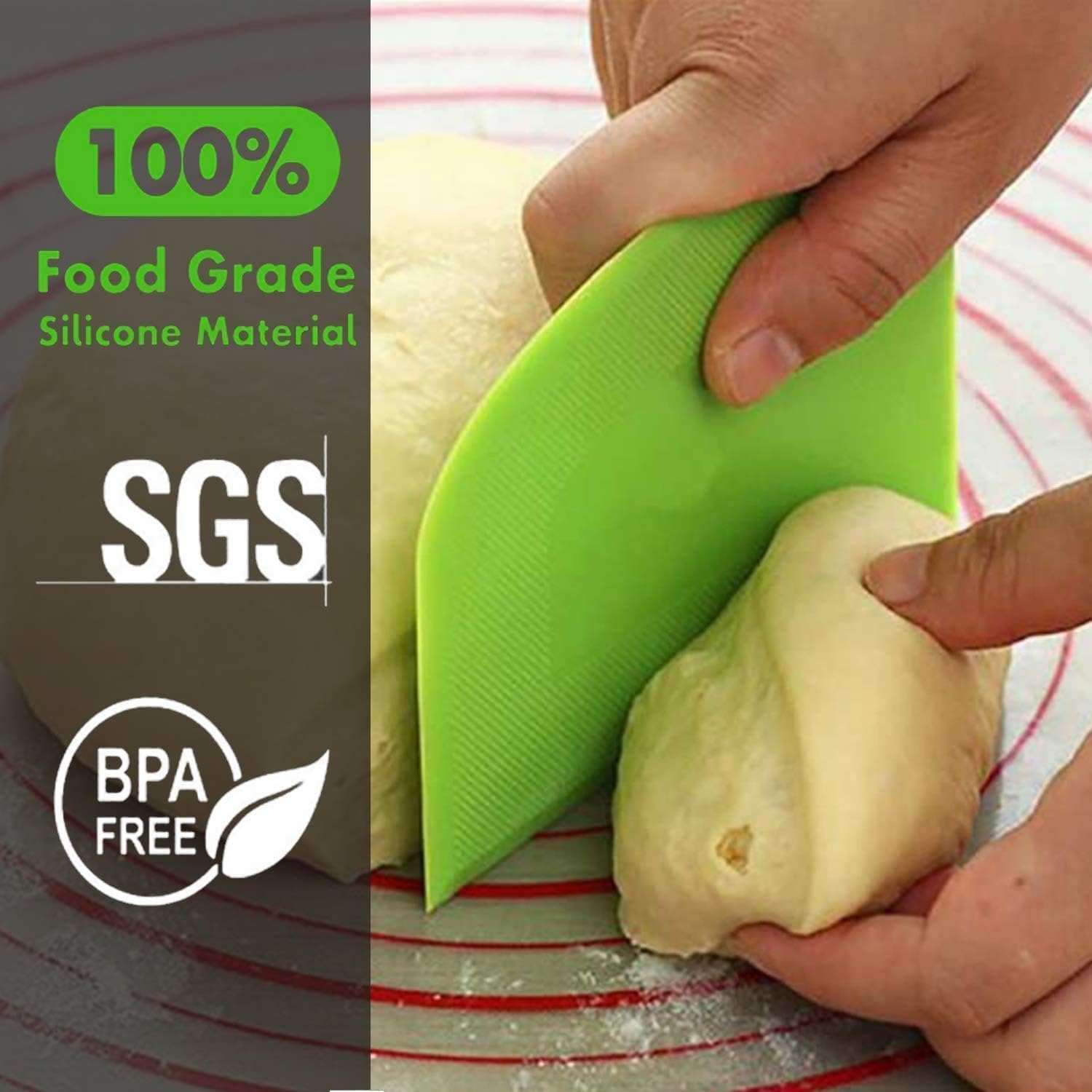

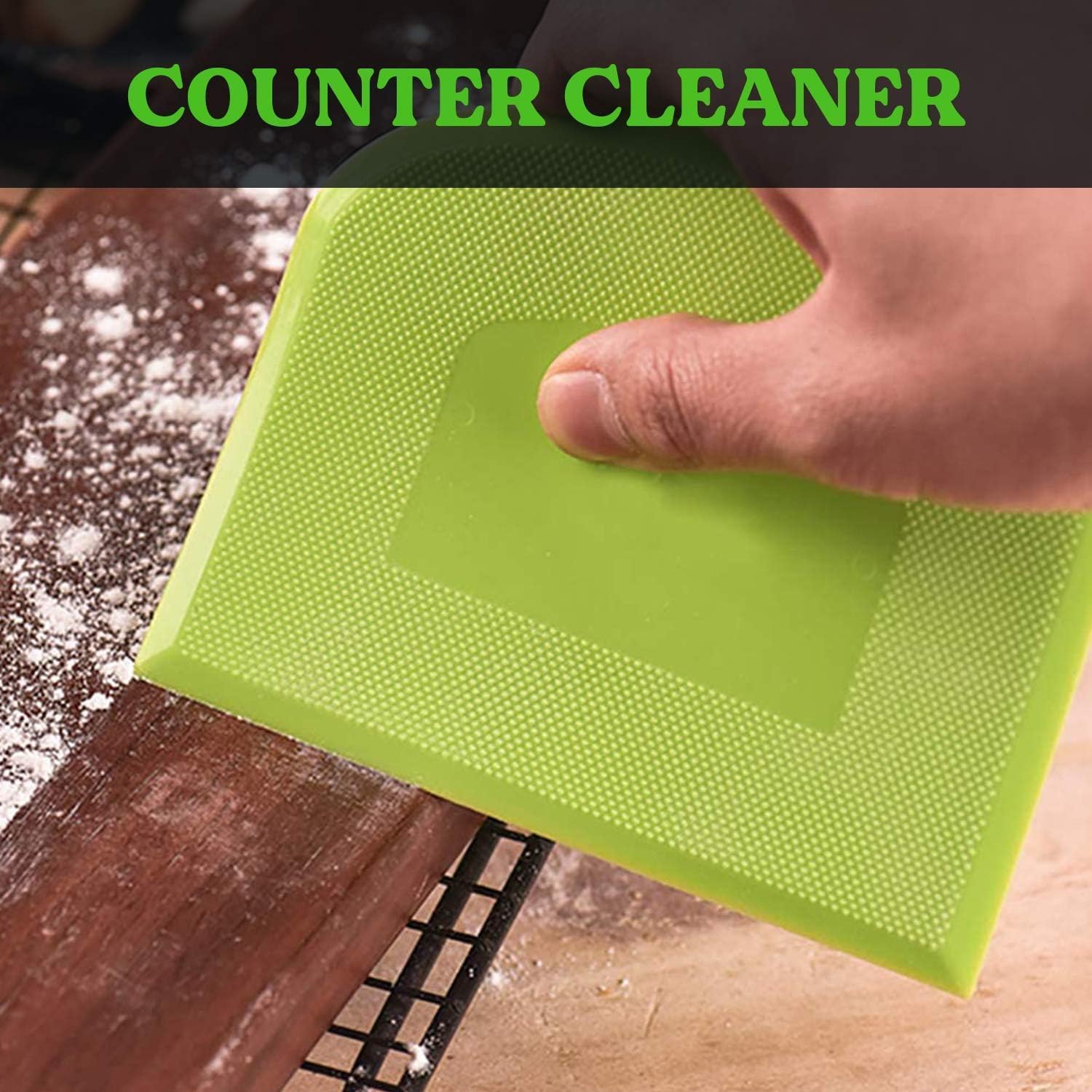

Bakeware tools are essential for any home baker or professional pastry chef. These tools help create delicious and visually appealing baked goods, from simple cookies to elaborate cakes and pastries. In this article, we will explore the various types of bakeware tools, their uses, and how to choose the best ones for your baking needs.
Types of Bakeware Tools
1. Baking Pans and Sheets
Baking pans and sheets are the foundation of any baker’s toolkit. They come in various shapes and sizes, such as round, square, rectangular, and even specialized shapes like Bundt pans and loaf pans. Baking sheets, also known as cookie sheets, are flat and ideal for baking cookies, pastries, and other flat items.
2. Muffin and Cupcake Pans
Muffin and cupcake pans are designed to hold individual portions of batter, resulting in perfectly shaped muffins or cupcakes. These pans typically have 6, 12, or 24 cups and can be made from various materials, such as aluminum, stainless steel, or silicone.
3. Baking Mats and Parchment Paper
Baking mats and parchment paper are used to line baking sheets and pans, preventing sticking and making cleanup easier. Silicone baking mats are reusable and provide a non-stick surface, while parchment paper is disposable and can be cut to fit any pan size.
4. Mixing Bowls
Mixing bowls are essential for combining ingredients and creating batter or dough. They come in various sizes and materials, such as stainless steel, glass, or ceramic. It’s helpful to have a set of mixing bowls in different sizes to accommodate various recipes.
5. Measuring Cups and Spoons
Accurate measurements are crucial in baking, and measuring cups and spoons are necessary for ensuring the right proportions of ingredients. Measuring cups are used for dry ingredients like flour and sugar, while measuring spoons are used for smaller quantities of ingredients like baking powder or vanilla extract.
6. Whisks and Spatulas
Whisks are used to mix ingredients and incorporate air into mixtures, while spatulas are used for scraping bowls, folding ingredients, and spreading batter or frosting. Silicone spatulas are heat-resistant and can be used for cooking as well as baking.
7. Rolling Pins
Rolling pins are used to roll out dough for pies, cookies, and pastries. They come in various sizes and materials, such as wood, marble, or stainless steel. Some rolling pins have handles, while others are cylindrical and require more manual control.
8. Pastry Brushes
Pastry brushes are used to apply glazes, egg washes, or melted butter to pastries and bread. They can be made from natural bristles or silicone and come in various sizes to suit different tasks.
9. Cookie Cutters and Pastry Wheels
Cookie cutters are used to create shaped cookies, while pastry wheels are used to cut lattice tops for pies or create decorative edges on pastries. These tools come in various shapes and sizes, allowing for endless creativity in the kitchen.
Choosing the Right Bakeware Tools
When selecting bakeware tools, consider the following factors:
1. Material
Bakeware tools can be made from various materials, such as aluminum, stainless steel, glass, ceramic, or silicone. Each material has its advantages and disadvantages, so choose the one that best suits your needs and preferences.
2. Durability
Invest in high-quality, durable bakeware tools that can withstand frequent use and high temperatures. Cheaper, low-quality tools may warp, rust, or break easily, leading to frustration and subpar results.
3. Versatility
Look for bakeware tools that can be used for multiple purposes, such as baking sheets that can be used for cookies, pastries, and roasted vegetables. This will save space in your kitchen and provide more value for your money.
4. Ease of Cleaning
Choose bakeware tools that are easy to clean, either by hand or in the dishwasher. Non-stick surfaces can make cleanup easier, but be sure to use non-abrasive cleaning tools to avoid damaging the surface.
Conclusion
Bakeware tools are essential for creating delicious and beautiful baked goods. By investing in high-quality, versatile tools and understanding their uses, you can elevate your baking skills and enjoy the process even more. Whether you’re a beginner or a seasoned pro, having the right bakeware tools will make all the difference in your baking endeavors.
FAQs
1. What is the best material for bakeware?
The best material for bakeware depends on personal preference and the specific tool. Aluminum is a popular choice for baking pans and sheets due to its excellent heat conductivity and durability. Silicone is great for non-stick surfaces and flexibility, while glass and ceramic are ideal for even heating and easy cleaning.
2. How do I prevent my baked goods from sticking to the pan?
To prevent sticking, use a non-stick pan or line your pan with parchment paper or a silicone baking mat. You can also grease the pan with butter, oil, or cooking spray before adding the batter or dough.
3. Can I use the same measuring cups for dry and liquid ingredients?
No, it’s best to use separate measuring cups for dry and liquid ingredients. Dry measuring cups are designed to be filled to the top and leveled off, while liquid measuring cups have a pour spout and are made from clear glass or plastic, allowing you to see the measurement lines.
4. How often should I replace my bakeware tools?
The lifespan of your bakeware tools depends on their quality, frequency of use, and care. High-quality tools can last for many years with proper care, while cheaper tools may need to be replaced more frequently. Inspect your tools regularly for signs of wear and tear, such as warping, rust, or scratches, and replace them as needed.


