


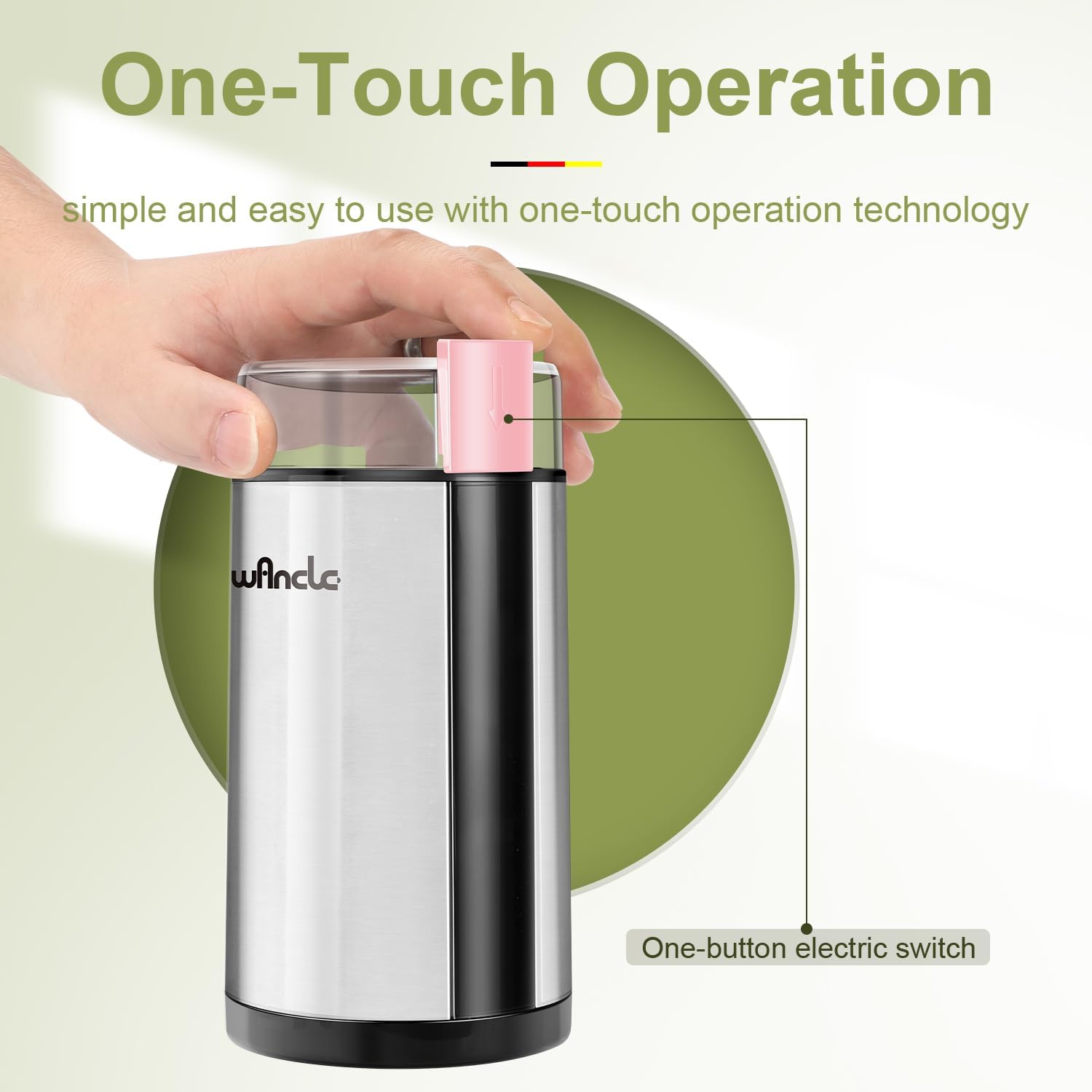


Coffee grinders are an essential tool for any coffee enthusiast who wants to enjoy the freshest and most flavorful cup of coffee possible. Grinding your own coffee beans allows you to release the aromatic oils and flavors that are locked inside the beans, resulting in a more delicious and satisfying coffee experience. In this article, we’ll explore the different types of coffee grinders available, their features, and how to choose the best one for your needs.
Types of Coffee Grinders
There are two main types of coffee grinders: blade grinders and burr grinders.
Blade Grinders
Blade grinders are the most common and affordable type of coffee grinder. They work by using a spinning blade to chop the coffee beans into smaller pieces. While blade grinders are inexpensive and easy to use, they have some drawbacks. The main issue with blade grinders is that they produce an inconsistent grind size, which can lead to uneven extraction and a less flavorful cup of coffee. Additionally, the heat generated by the spinning blade can sometimes burn the coffee, resulting in a bitter taste.
Burr Grinders
Burr grinders are the preferred choice for coffee enthusiasts and professionals. They work by crushing the coffee beans between two abrasive surfaces, called burrs, which results in a consistent grind size. Burr grinders can be further divided into two categories: flat burr grinders and conical burr grinders.
Flat burr grinders have two parallel, flat burrs that face each other. The coffee beans are fed into the center of the burrs and are ground as they pass through the burrs. Flat burr grinders are known for producing a very consistent grind size, which is essential for achieving optimal extraction and flavor.
Conical burr grinders have two cone-shaped burrs, with one burr sitting inside the other. The coffee beans are fed into the top of the outer burr and are ground as they pass between the two burrs. Conical burr grinders are generally quieter than flat burr grinders and are less prone to clogging.
Features to Consider
When choosing a coffee grinder, there are several features to consider:
Grind Size Adjustment
Look for a grinder that offers a wide range of grind size settings, from very fine (for espresso) to very coarse (for French press). This will allow you to experiment with different brewing methods and find the perfect grind size for your taste preferences.
Grinding Speed
Faster is not always better when it comes to grinding coffee. High-speed grinders can generate heat, which can affect the flavor of the coffee. Look for a grinder with a low-speed motor or a gear reduction system to minimize heat buildup.
Doser vs. Doserless
Some grinders come with a doser, which is a chamber that holds the ground coffee and dispenses it in pre-measured amounts. Doserless grinders, on the other hand, dispense the ground coffee directly into your portafilter or coffee maker. Doserless grinders are generally preferred, as they minimize the amount of coffee that is exposed to air and reduce the risk of stale coffee.
Noise Level
Coffee grinders can be quite loud, especially when grinding at high speeds. If noise is a concern, look for a grinder with a low-speed motor or noise-reducing features.
Conclusion
Investing in a high-quality coffee grinder is one of the best ways to improve the quality of your coffee at home. While blade grinders are a affordable option, burr grinders offer a more consistent grind size and better flavor. When choosing a burr grinder, consider factors such as grind size adjustment, grinding speed, doser vs. doserless, and noise level to find the best grinder for your needs. With the right coffee grinder, you’ll be well on your way to enjoying delicious, freshly ground coffee every day.
FAQs
Q: How often should I clean my coffee grinder?
A: It’s a good idea to clean your coffee grinder every few weeks, or whenever you notice a buildup of coffee oils or grounds. Regular cleaning will help ensure that your grinder continues to produce consistent, high-quality grinds.
Q: Can I use my coffee grinder for other things, like spices?
A: While you can technically use your coffee grinder to grind other things like spices, it’s not recommended. Grinding spices or other foods can leave behind oils and residue that can affect the flavor of your coffee. If you want to grind spices, it’s best to use a separate grinder dedicated to that purpose.
Q: How long do coffee grinders typically last?
A: The lifespan of a coffee grinder depends on several factors, including the quality of the grinder, how often it’s used, and how well it’s maintained. With proper care and regular cleaning, a high-quality burr grinder can last for several years or more.
Q: Do I need a different grinder for different brewing methods?
A: While you don’t necessarily need a different grinder for each brewing method, it’s important to choose a grinder that offers a wide range of grind sizes. Different brewing methods require different grind sizes (e.g., fine for espresso, coarse for French press), so a grinder with adjustable settings will allow you to experiment and find the perfect grind for each method.


