




Coffee espresso machines have become an essential appliance for coffee lovers who enjoy a perfect shot of espresso or a creamy cappuccino in the comfort of their own homes. These machines come in various designs and sizes, but they all share some common parts that work together to brew that perfect cup of coffee. In this article, we will discuss the main parts of a coffee espresso machine and their functions.
1. Water Reservoir
The water reservoir is where the water is stored before it is heated and pumped through the machine. It is usually located at the back or side of the machine and can be removed for easy filling and cleaning. The size of the reservoir varies depending on the machine’s capacity and design.
2. Boiler
The boiler is the heart of the espresso machine. It is responsible for heating the water to the optimal temperature for brewing espresso, which is usually between 195°F and 205°F (90°C and 96°C). Some machines have a single boiler, while others have dual boilers – one for brewing and one for steaming milk.
3. Pump
The pump is responsible for pushing the heated water through the ground coffee in the portafilter at high pressure, typically between 9 and 15 bars. This pressure is essential for extracting the full flavor and aroma from the coffee grounds and creating the characteristic crema on top of the espresso shot.
4. Portafilter
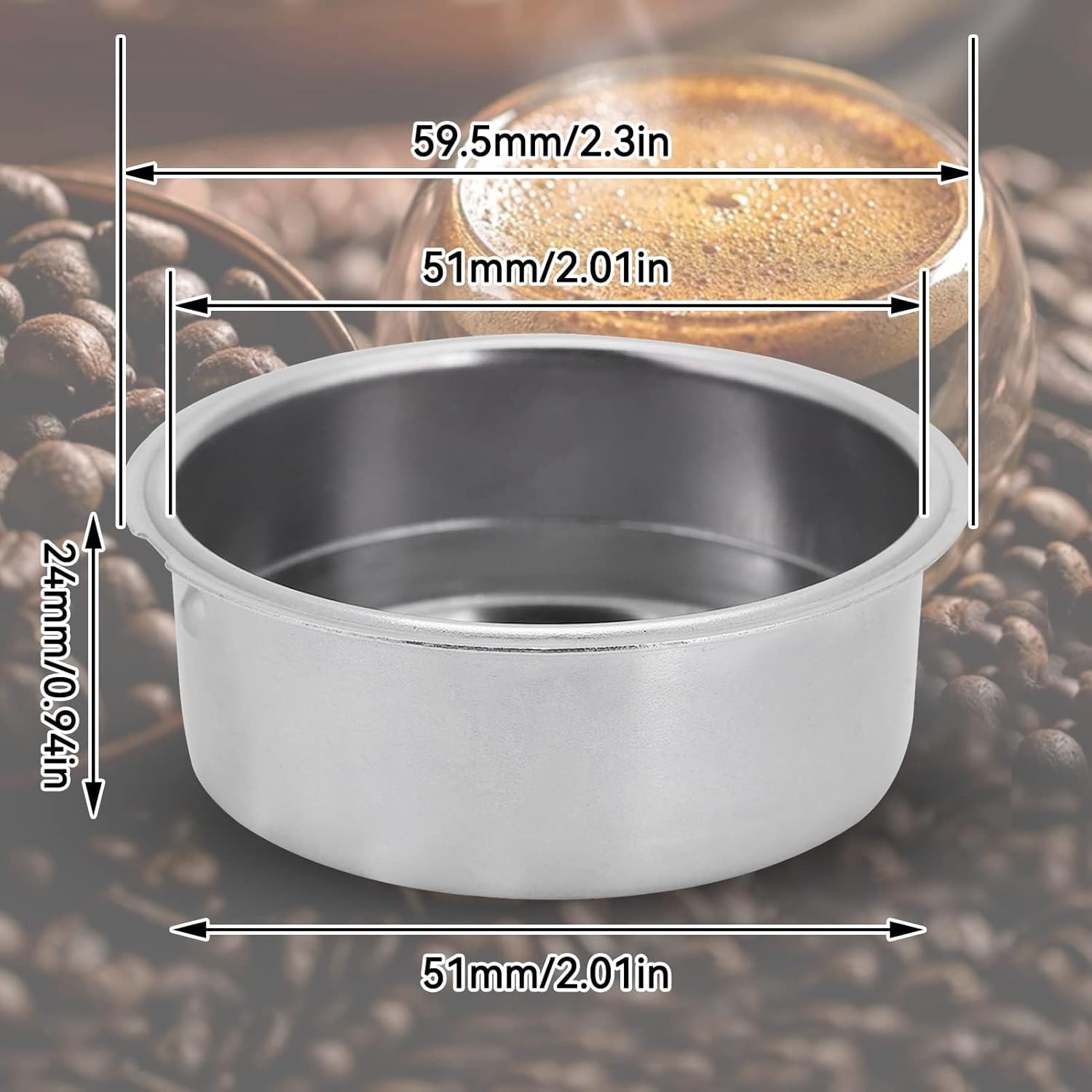
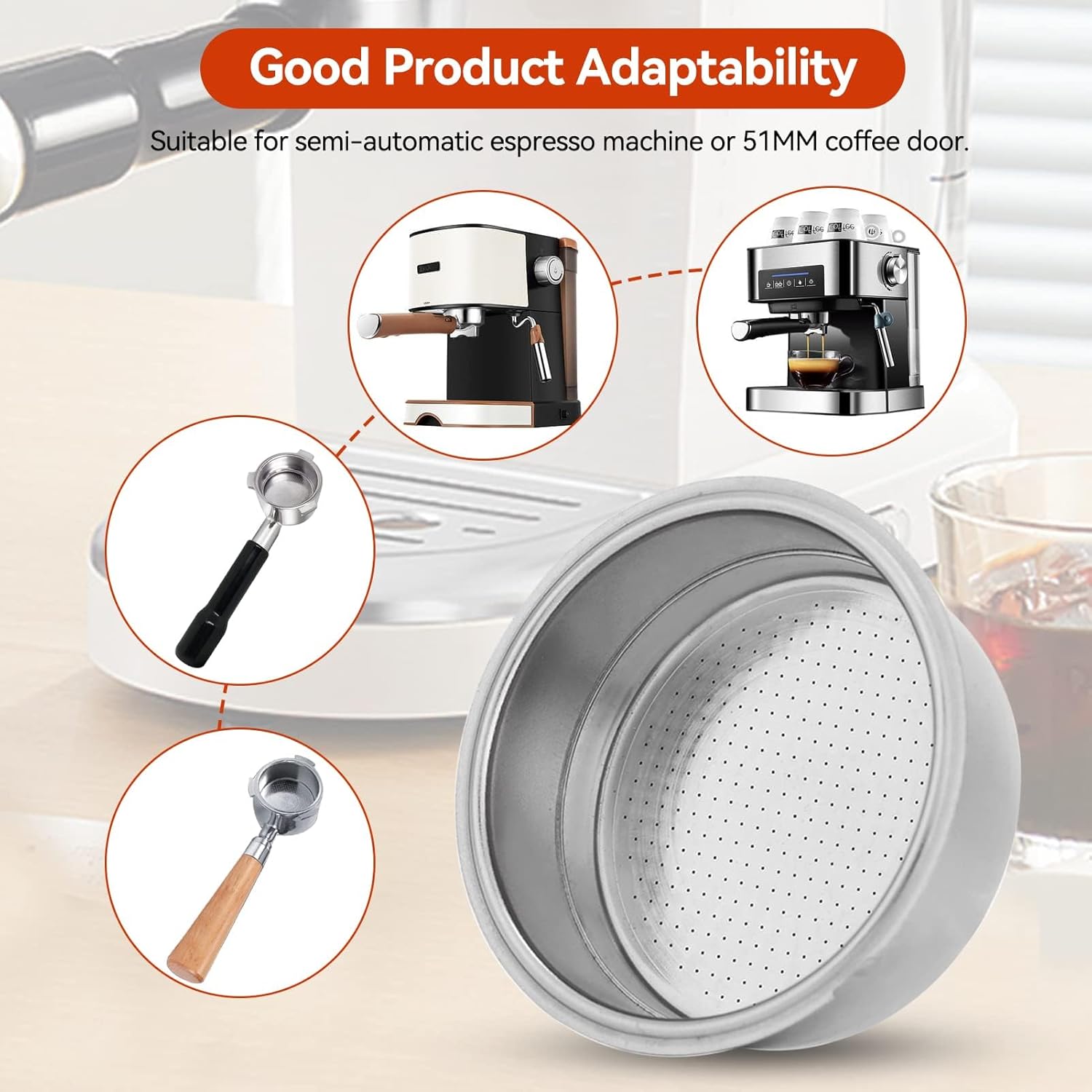
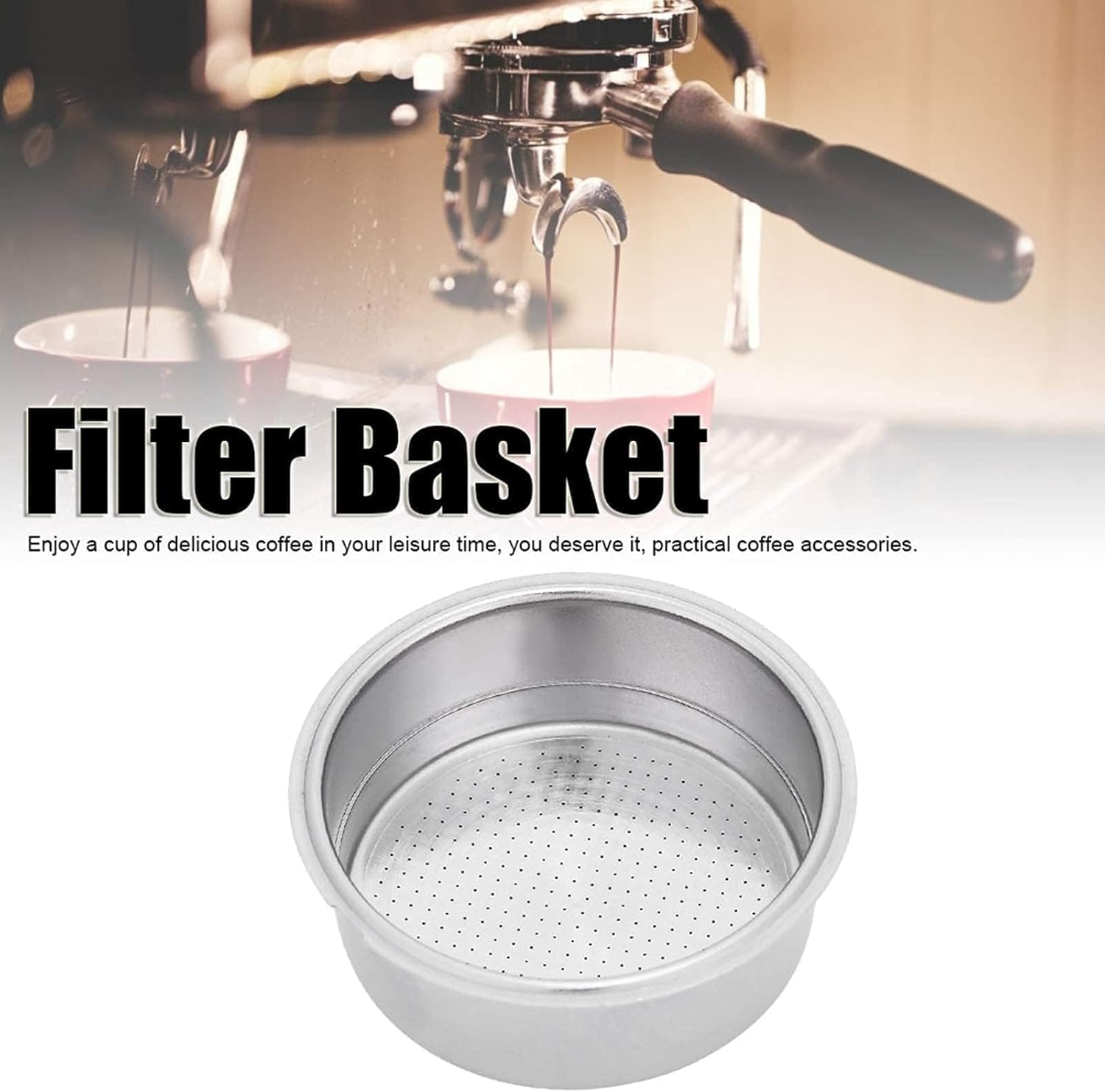
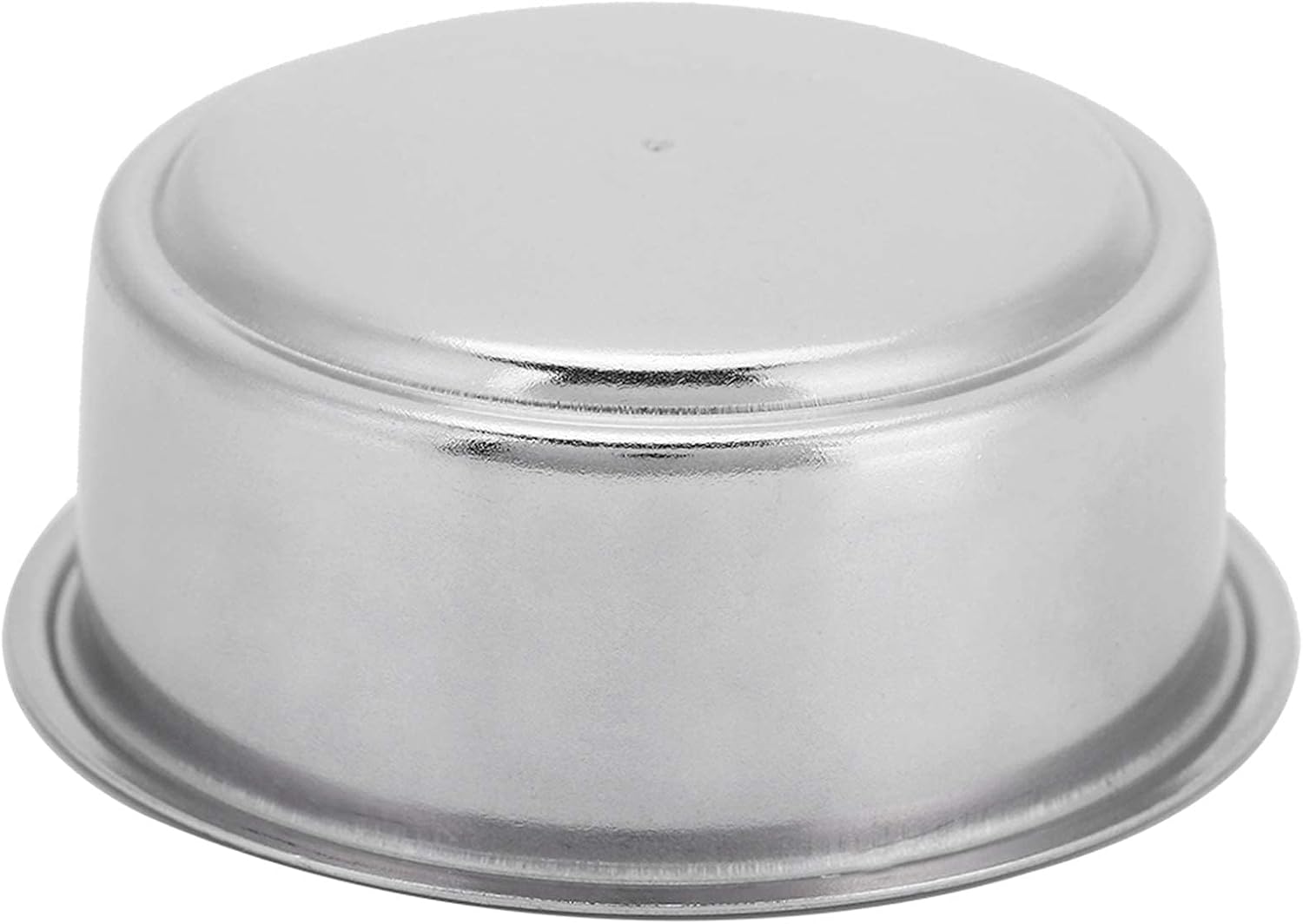
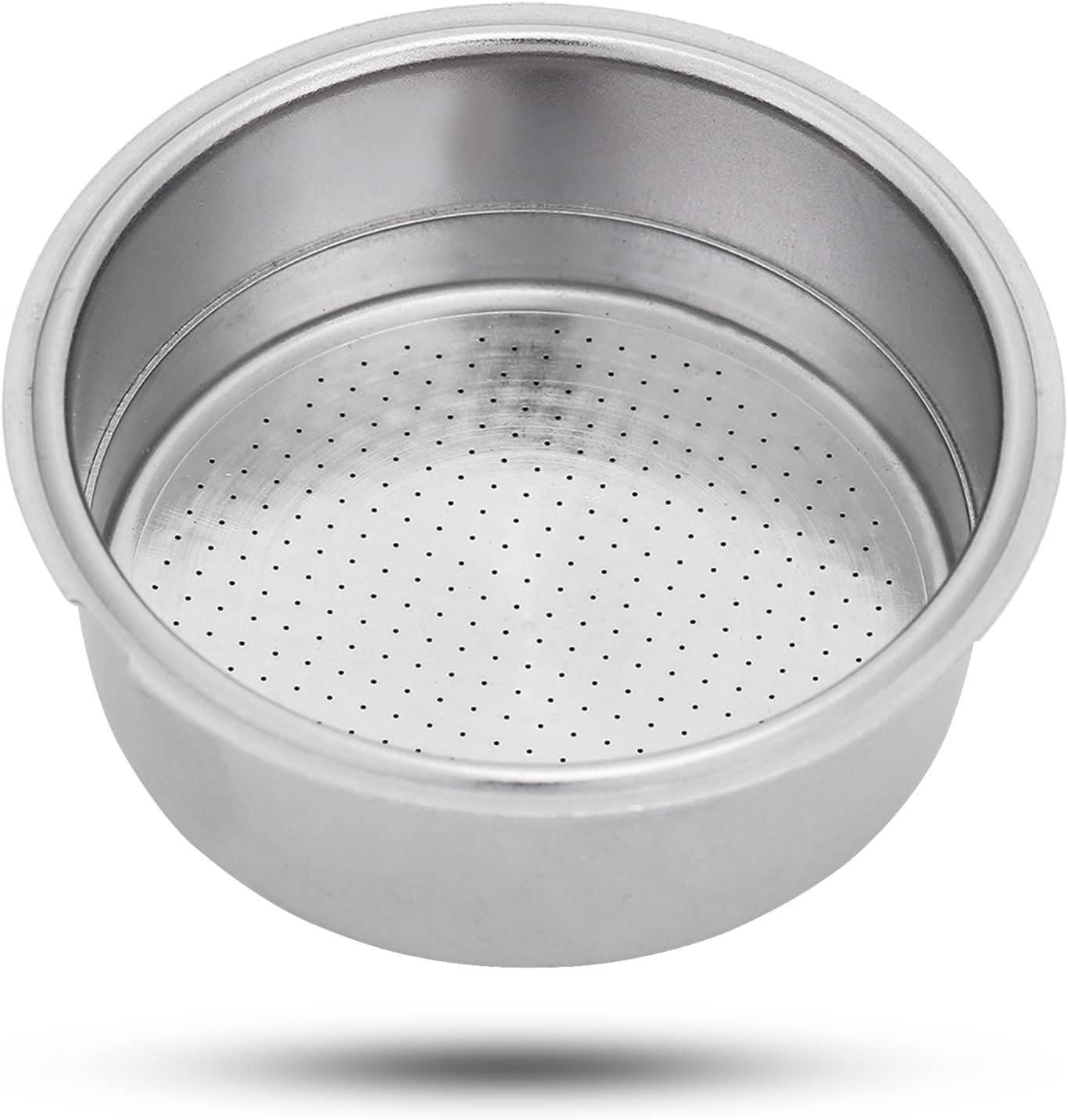
The portafilter is the removable handle that holds the ground coffee during the brewing process. It consists of a handle, a basket that holds the coffee grounds, and a spout through which the brewed espresso flows into the cup. The basket can be single, double, or even triple shot size, depending on the machine and the user’s preferences.
5. Grouphead
The grouphead is where the portafilter attaches to the espresso machine. It contains a shower screen that distributes the hot water evenly over the coffee grounds in the portafilter. The grouphead also has a gasket that creates a seal between the portafilter and the machine, ensuring that the high pressure is maintained during the brewing process.
6. Steam Wand
The steam wand is used for steaming and frothing milk for cappuccinos, lattes, and other milk-based drinks. It works by releasing steam from the boiler into the milk, heating it and creating microfoam. Some machines have a separate steam boiler to ensure that the steam is always available and does not interfere with the brewing temperature.
7. Control Panel
The control panel is where the user interacts with the machine. It can be as simple as a single button for turning the machine on and off, or it can have multiple buttons and dials for controlling various functions like brewing temperature, pump pressure, and steam output. Some high-end machines even have digital displays and programmable settings.
8. Drip Tray
The drip tray is located beneath the grouphead and is designed to catch any spills or drips during the brewing process. It is usually removable for easy cleaning and can have a grate or grid to prevent cups from sitting directly in the tray.
Conclusion
Understanding the parts of a coffee espresso machine and their functions is essential for choosing the right machine for your needs and maintaining it properly. By knowing how each component works together to brew the perfect shot of espresso, you can troubleshoot issues and ensure that your machine is always performing at its best. Whether you are a beginner or a seasoned barista, a quality espresso machine with well-maintained parts can make all the difference in your coffee experience.
FAQs
Q: How often should I clean my espresso machine?
A: It is recommended to clean your espresso machine after every use, including wiping down the steam wand and emptying the drip tray. A more thorough cleaning, including descaling, should be done every 2-3 months, depending on usage and water hardness.
Q: What is the best type of water to use in my espresso machine?
A: It is best to use filtered water in your espresso machine to prevent mineral buildup and ensure the best-tasting coffee. Avoid using distilled or overly soft water, as it can cause the machine to work harder and potentially damage the boiler.
Q: How do I know if my machine is producing the right pressure?
A: Most espresso machines have a pressure gauge that indicates the current pressure during brewing. The ideal pressure for espresso extraction is between 9 and 15 bars. If your machine is not reaching or maintaining this pressure, it may need servicing or repair.
Q: Can I use pre-ground coffee in my espresso machine?
A: While it is possible to use pre-ground coffee, it is not recommended for the best results. Espresso machines require a very fine, consistent grind that is best achieved with a quality burr grinder. Pre-ground coffee can also stale quickly, affecting the flavor of your espresso.


