




Coffee espresso machines have become an essential appliance for coffee lovers who crave a perfect shot of espresso right in the comfort of their own homes. These machines are designed to brew authentic espresso by forcing hot water through finely-ground coffee beans at high pressure. To understand how these machines work and how to maintain them properly, it’s crucial to familiarize yourself with the various parts that make up a coffee espresso machine.
1. Boiler
The boiler is the heart of any espresso machine. It’s responsible for heating water to the optimal temperature for brewing espresso, which is typically between 195°F and 205°F (90°C and 96°C). There are two main types of boilers used in espresso machines: single boiler and double boiler. Single boiler machines use the same boiler for both brewing espresso and steaming milk, while double boiler machines have separate boilers for each function, allowing for simultaneous brewing and steaming.
2. Pump
The pump is responsible for generating the high pressure needed to force water through the ground coffee in the portafilter. Most espresso machines use a vibratory pump or a rotary pump. Vibratory pumps are more common in home espresso machines, while rotary pumps are typically found in commercial machines. The pump is crucial for achieving the ideal pressure of 9-10 bars for extracting the perfect shot of espresso.
3. Grouphead
The grouphead is where the portafilter attaches to the espresso machine. It contains a shower screen and a gasket that helps distribute water evenly over the ground coffee in the portafilter. The grouphead also controls the flow of water from the boiler to the portafilter. Some high-end machines feature multiple groupheads, allowing for the simultaneous brewing of multiple shots of espresso.
4. Portafilter
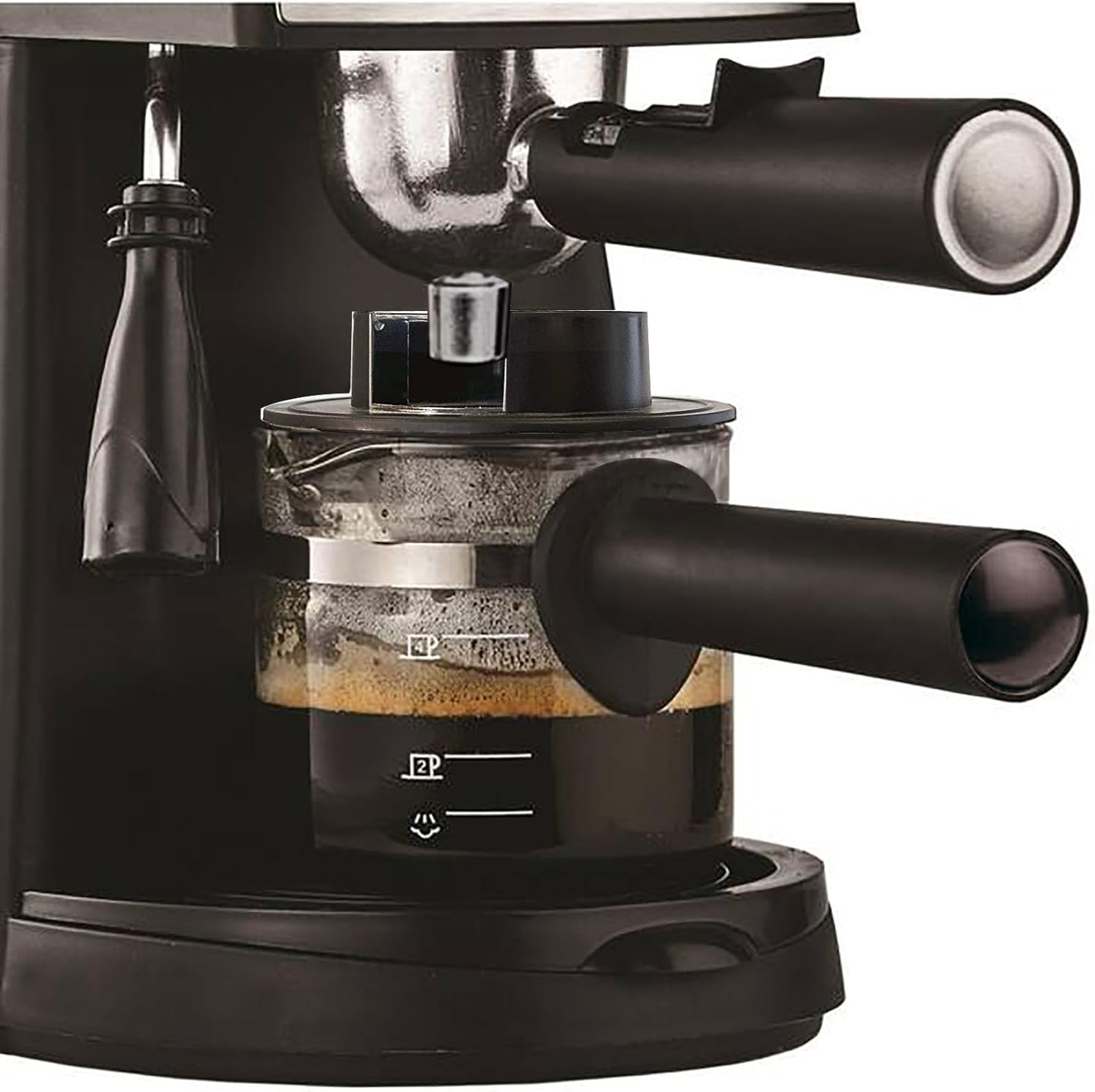
The portafilter is a handled filter basket that holds the ground coffee during the brewing process. It attaches to the grouphead and has small holes at the bottom to allow the extracted espresso to flow into the cup. Portafilters come in different sizes and materials, with the most common being 58mm in diameter and made of brass or stainless steel.
5. Steam Wand
The steam wand is used for steaming and frothing milk for drinks like cappuccinos and lattes. It is connected to the boiler and utilizes the steam produced by the hot water to heat and texture the milk. Some machines have multiple steam wands, while others have a single wand that can be used for both steaming and hot water dispensing.
6. Drip Tray
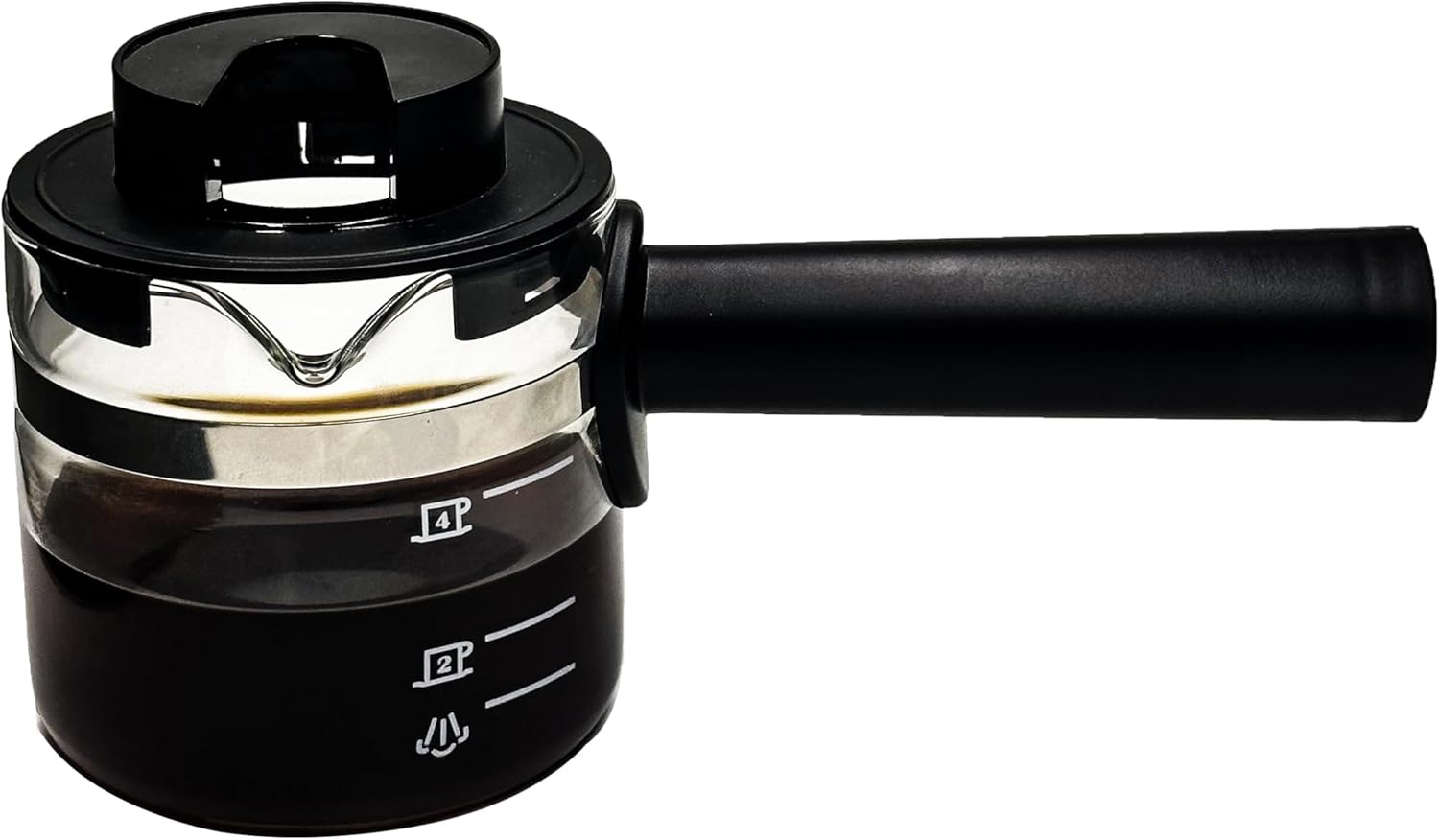
The drip tray is located beneath the grouphead and is designed to catch any excess water or coffee that may spill during the brewing process. It is removable for easy cleaning and should be emptied regularly to prevent overflow and maintain hygiene.
7. Control Panel
The control panel is where you’ll find the buttons, knobs, or switches that allow you to operate the espresso machine. Depending on the machine, the control panel may include settings for turning the machine on and off, adjusting the temperature and pressure, and activating the pump and steam wand. Some machines also feature digital displays and programmable settings for a more customized brewing experience.
Conclusion
Understanding the various parts of a coffee espresso machine is essential for both operating and maintaining your machine properly. By familiarizing yourself with the boiler, pump, grouphead, portafilter, steam wand, drip tray, and control panel, you’ll be well-equipped to brew perfect shots of espresso and create delicious coffee drinks at home. Regular cleaning and maintenance of these parts will ensure that your espresso machine continues to function optimally and produces high-quality espresso for years to come.
FAQs
Q: How often should I clean my espresso machine?
A: It’s recommended to clean your espresso machine after every use, including wiping down the steam wand and emptying the drip tray. A more thorough cleaning, including backflushing and descaling, should be performed every 1-3 months, depending on usage and water hardness.
Q: Can I use regular coffee beans in my espresso machine?
A: While you can technically use regular coffee beans in an espresso machine, it’s best to use beans that are specifically roasted for espresso. Espresso beans are typically roasted longer and ground finer to produce the concentrated flavor and crema associated with espresso.
Q: How long should a shot of espresso take to extract?
A: A properly extracted shot of espresso should take between 20-30 seconds to brew. If the extraction time is too short or too long, it may indicate issues with the grind size, tamping pressure, or machine settings.
Q: What is the ideal pressure for extracting espresso?
A: The ideal pressure for extracting espresso is between 9-10 bars. Most espresso machines are designed to achieve this pressure range, but it’s essential to monitor the pressure gauge (if available) and adjust the grind size and tamping pressure accordingly.
Q: How do I know when to descale my espresso machine?
A: The frequency of descaling depends on the hardness of your water and the usage of your machine. Some signs that your machine needs descaling include reduced water flow, increased brewing time, and a change in the taste of your espresso. Consult your machine’s manual for specific descaling instructions and recommendations.


