


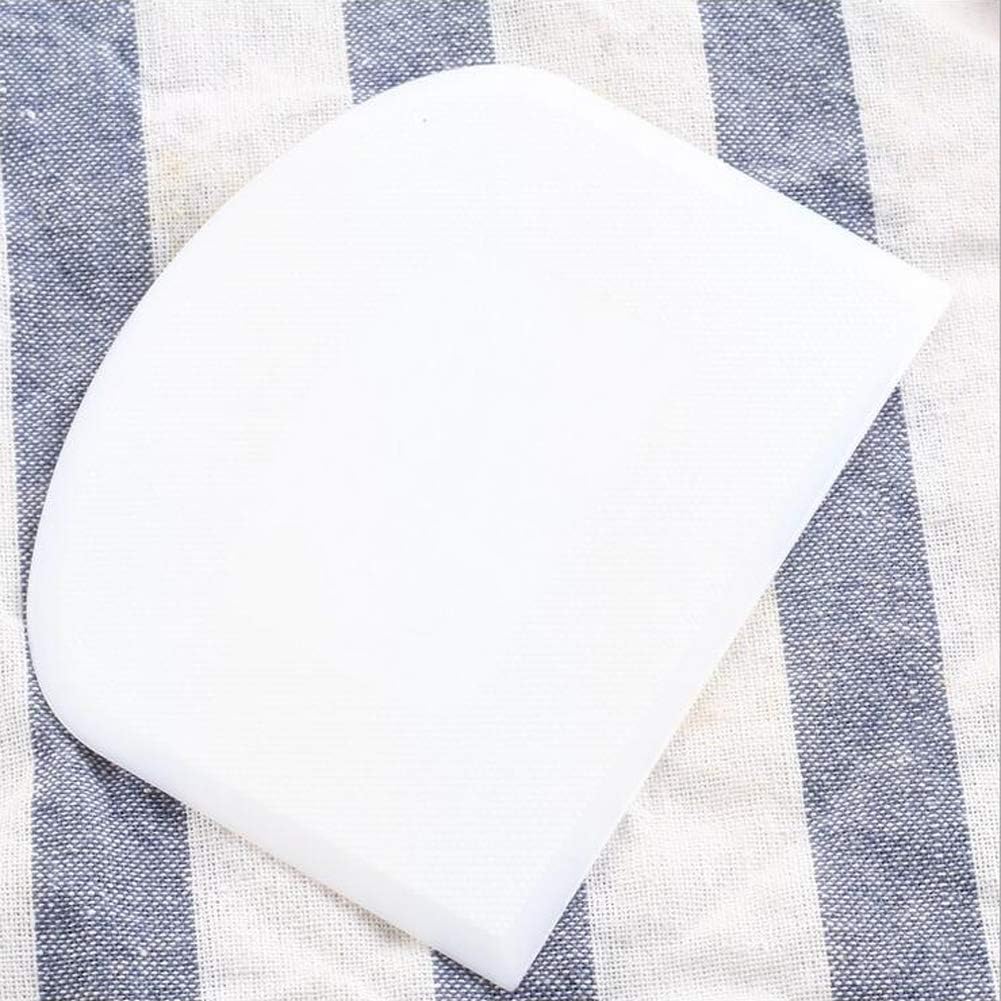

Bakeware and tools are essential for any home baker or professional pastry chef. Having the right equipment can make all the difference in creating perfect baked goods every time. In this article, we will explore the various types of bakeware and tools available and how they can help you achieve baking success.
Bakeware
Bakeware refers to the dishes and pans used for baking. The most common materials for bakeware include metal, glass, ceramic, and silicone. Each material has its own advantages and disadvantages, and the choice often depends on personal preference and the type of baked good being prepared.
Metal Bakeware
Metal bakeware is the most popular choice among bakers due to its durability and excellent heat conductivity. The most common types of metal used in bakeware are aluminum, stainless steel, and aluminized steel. Aluminum is lightweight and provides even heating, while stainless steel is more durable and resistant to rust and corrosion. Aluminized steel combines the benefits of both aluminum and stainless steel, offering even heating and durability.
Glass Bakeware
Glass bakeware is an excellent choice for baking casseroles, pies, and other dishes that require a slow, even heat distribution. Glass is non-reactive, meaning it won’t react with acidic ingredients, and it’s also easy to clean. However, glass is more fragile than metal and can shatter if exposed to sudden temperature changes.
Ceramic Bakeware
Ceramic bakeware is known for its attractive designs and even heating properties. It’s ideal for baking pies, quiches, and casseroles. Like glass, ceramic is also non-reactive and easy to clean. However, it can be heavy and is prone to chipping or cracking if not handled carefully.
Silicone Bakeware
Silicone bakeware is a relatively new addition to the world of baking. It’s made from food-grade silicone, which is flexible, non-stick, and heat-resistant. Silicone bakeware is ideal for baking cakes, muffins, and bread, as it allows for easy release of the baked goods without the need for greasing or flouring. It’s also dishwasher-safe and can withstand temperatures up to 500°F (260°C).
Baking Tools
In addition to bakeware, there are various tools that can help you achieve perfect results in your baking endeavors. Here are some essential baking tools every baker should have:
- Mixing Bowls: Mixing bowls come in various sizes and materials, including stainless steel, glass, and ceramic. They are essential for mixing ingredients, proofing dough, and organizing mise en place.
- Measuring Cups and Spoons: Accurate measurements are crucial in baking. Having a set of measuring cups and spoons for both dry and liquid ingredients is a must.
- Whisks: Whisks are used for mixing, whipping, and incorporating air into ingredients. They come in various sizes and shapes, including balloon whisks and flat whisks.
- Spatulas: Spatulas are versatile tools used for mixing, scraping, and spreading. Silicone spatulas are heat-resistant and can be used for cooking and baking tasks.
- Parchment Paper: Parchment paper is used to line baking sheets and pans, preventing sticking and making cleanup easier. It’s also great for piping bags and shaping dough.
- Rolling Pin: Rolling pins are essential for rolling out dough for pies, cookies, and pastries. They come in various materials, including wood, marble, and silicone.
- Cooling Racks: Cooling racks allow air to circulate around baked goods, helping them cool evenly and preventing sogginess. They are also useful for glazing and decorating cakes and cookies.
- Pastry Brush: Pastry brushes are used for applying glazes, egg washes, and butter to baked goods. They come in various sizes and materials, including natural bristle and silicone.
Conclusion
Having the right bakeware and tools is essential for successful baking. Investing in quality equipment and understanding the benefits and limitations of each type of bakeware and tool will help you achieve consistent results and expand your baking repertoire. Whether you’re a beginner or a seasoned baker, having a well-equipped kitchen will make your baking experiences more enjoyable and rewarding.
Frequently Asked Questions (FAQs)
- Q: Can I use a glass pan instead of a metal pan for baking?
- A: Yes, you can use a glass pan for baking, but keep in mind that glass conducts heat differently than metal. You may need to adjust the baking temperature and time accordingly.
- Q: Is silicone bakeware safe to use?
- A: Yes, silicone bakeware is safe to use as long as it is made from food-grade silicone. It is non-toxic, heat-resistant, and does not react with food or beverages.
- Q: What is the best way to clean bakeware?
- A: The best way to clean bakeware depends on the material. Most metal, glass, and silicone bakeware can be washed with warm, soapy water or placed in the dishwasher. For tough stains or residue, soaking the bakeware in hot water and baking soda can help loosen the debris.
- Q: Can I use parchment paper in place of greasing a pan?
- A: Yes, parchment paper can be used in place of greasing a pan for many recipes. It provides a non-stick surface and makes cleanup easier. However, some recipes may still require greasing the parchment paper for optimal results.


