


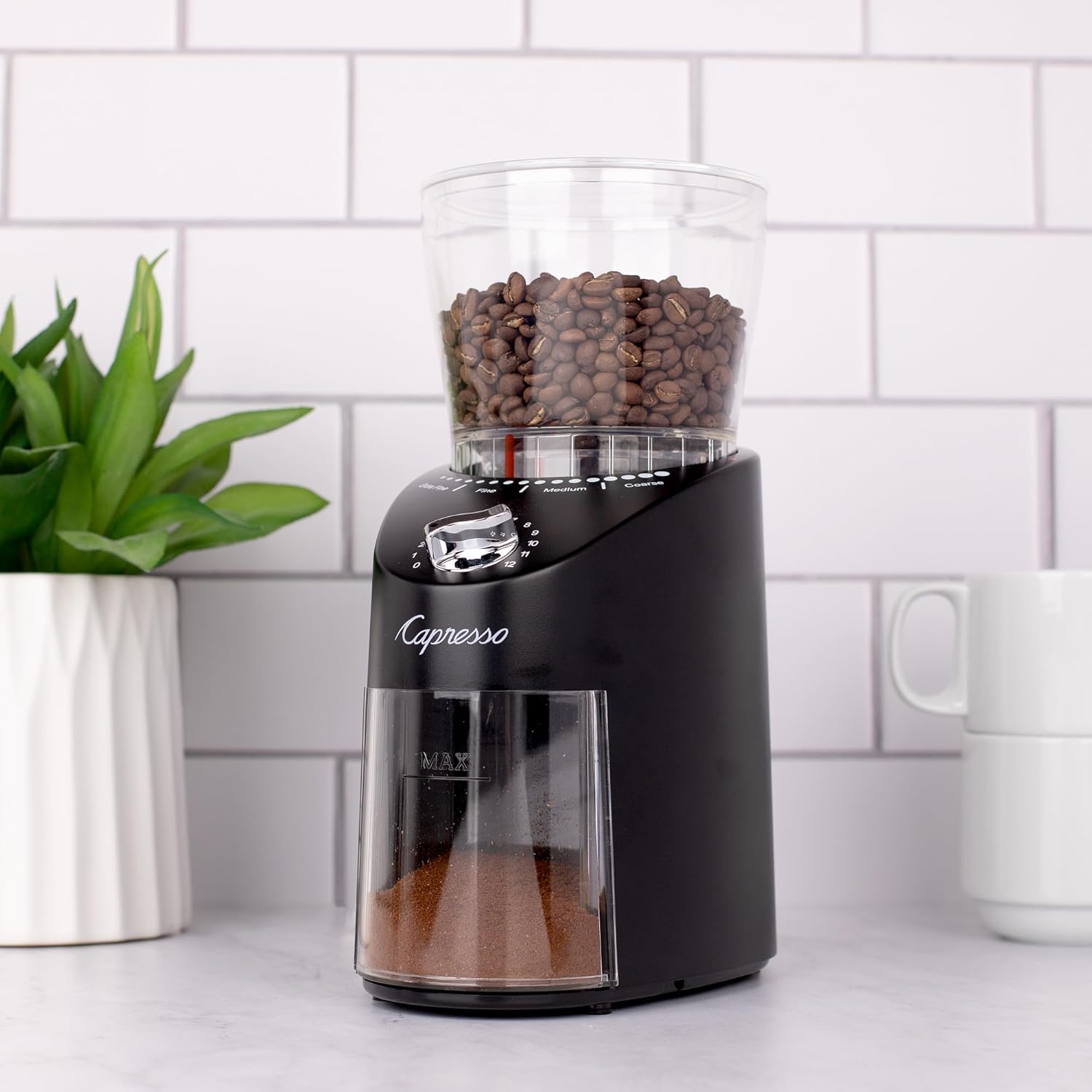


Coffee grinders are an essential tool for any coffee enthusiast who wants to enjoy the freshest and most flavorful cup of coffee possible. Whether you prefer a French press, pour-over, or espresso, using freshly ground coffee beans can make a significant difference in the taste and aroma of your brew. In this article, we will explore the different types of coffee grinders available, their features, and how to choose the best one for your needs.
Types of Coffee Grinders
There are two main types of coffee grinders: blade grinders and burr grinders.
Blade Grinders
Blade grinders are the most common and affordable type of coffee grinder. They work by using a spinning blade to chop the coffee beans into smaller pieces. While blade grinders are suitable for basic grinding, they have some drawbacks. The main issue is that the grinding is inconsistent, resulting in uneven particle sizes. This can lead to an inconsistent extraction and a less flavorful cup of coffee. Additionally, blade grinders can generate heat during the grinding process, which can affect the taste of the coffee.
Burr Grinders
Burr grinders are considered the superior choice for coffee grinding. They work by using two abrasive surfaces (burrs) to crush the coffee beans into a consistent particle size. Burr grinders come in two varieties: wheel burr grinders and conical burr grinders. Wheel burr grinders are less expensive but can be noisy and messy. Conical burr grinders are more expensive but are quieter, less messy, and often produce a more consistent grind.
Features to Consider
When choosing a coffee grinder, there are several features to consider:
Grind Settings
Look for a grinder with multiple grind settings to accommodate different brewing methods. For example, French press coffee requires a coarser grind, while espresso requires a fine grind. Some high-end grinders offer dozens of grind settings for ultimate precision.
Grinding Speed
Faster is not always better when it comes to grinding coffee. High-speed grinders can generate heat, which can affect the flavor of the coffee. Look for a grinder with a low-speed motor or a gear reduction system to minimize heat buildup.
Doser vs. Doserless
Some grinders come with a doser, which is a container that holds the ground coffee and dispenses it in pre-measured amounts. Doserless grinders, on the other hand, grind directly into a portafilter or container. Doserless grinders are generally preferred for home use as they are less wasteful and easier to clean.
Noise Level
Grinders can be noisy, especially if you’re grinding coffee early in the morning when others are sleeping. If noise is a concern, look for a grinder with a quieter motor or a noise-reducing design.
Choosing the Right Grinder
When selecting a coffee grinder, consider your budget, brewing method, and personal preferences. If you’re on a tight budget and only occasionally grind coffee, a blade grinder may suffice. However, if you’re serious about coffee and want the best possible flavor, a burr grinder is the way to go.
For espresso lovers, a high-quality burr grinder with fine grind settings is essential. If you primarily brew drip coffee or French press, a grinder with a wider range of grind settings will be more versatile.
Caring for Your Grinder
To ensure your coffee grinder lasts for years and continues to produce consistent grinds, proper maintenance is crucial. Here are some tips for caring for your grinder:
- Clean your grinder regularly to remove coffee oils and residue that can affect the flavor of your coffee.
- Use a soft brush or a grinder cleaning tablet to remove any stuck coffee grounds.
- Avoid using water to clean your grinder, as moisture can damage the burrs or motor.
- Periodically check the burrs for wear and replace them if necessary.
Conclusion
Investing in a quality coffee grinder is one of the best ways to improve the taste and consistency of your coffee. While blade grinders are affordable and suitable for occasional use, burr grinders offer superior performance and are worth the extra cost for serious coffee drinkers. When choosing a grinder, consider factors such as grind settings, speed, doser vs. doserless, and noise level. With proper care and maintenance, a good coffee grinder can last for years and help you enjoy delicious, freshly ground coffee every day.
FAQs
Q: How often should I clean my coffee grinder?
A: It’s a good idea to clean your grinder after every use to remove any leftover coffee grounds and oils. For a deeper clean, aim to clean your grinder thoroughly every few weeks or whenever you notice a buildup of residue.
Q: Can I use my coffee grinder for spices or other foods?
A: It’s not recommended to use your coffee grinder for anything other than coffee, as other foods can leave behind oils and flavors that can affect the taste of your coffee. If you need to grind spices, consider using a separate grinder dedicated to that purpose.
Q: How long do coffee beans stay fresh after grinding?
A: Coffee beans start to lose their flavor and aroma immediately after grinding, so it’s best to use freshly ground coffee within a few minutes of grinding. If you need to store ground coffee, keep it in an airtight container in a cool, dark place and use it within a few days for the best flavor.
Q: Can I adjust the grind size on all coffee grinders?
A: Most burr grinders allow you to adjust the grind size, but blade grinders typically do not have adjustable settings. Some high-end burr grinders offer a wide range of grind settings for ultimate precision and versatility.


