





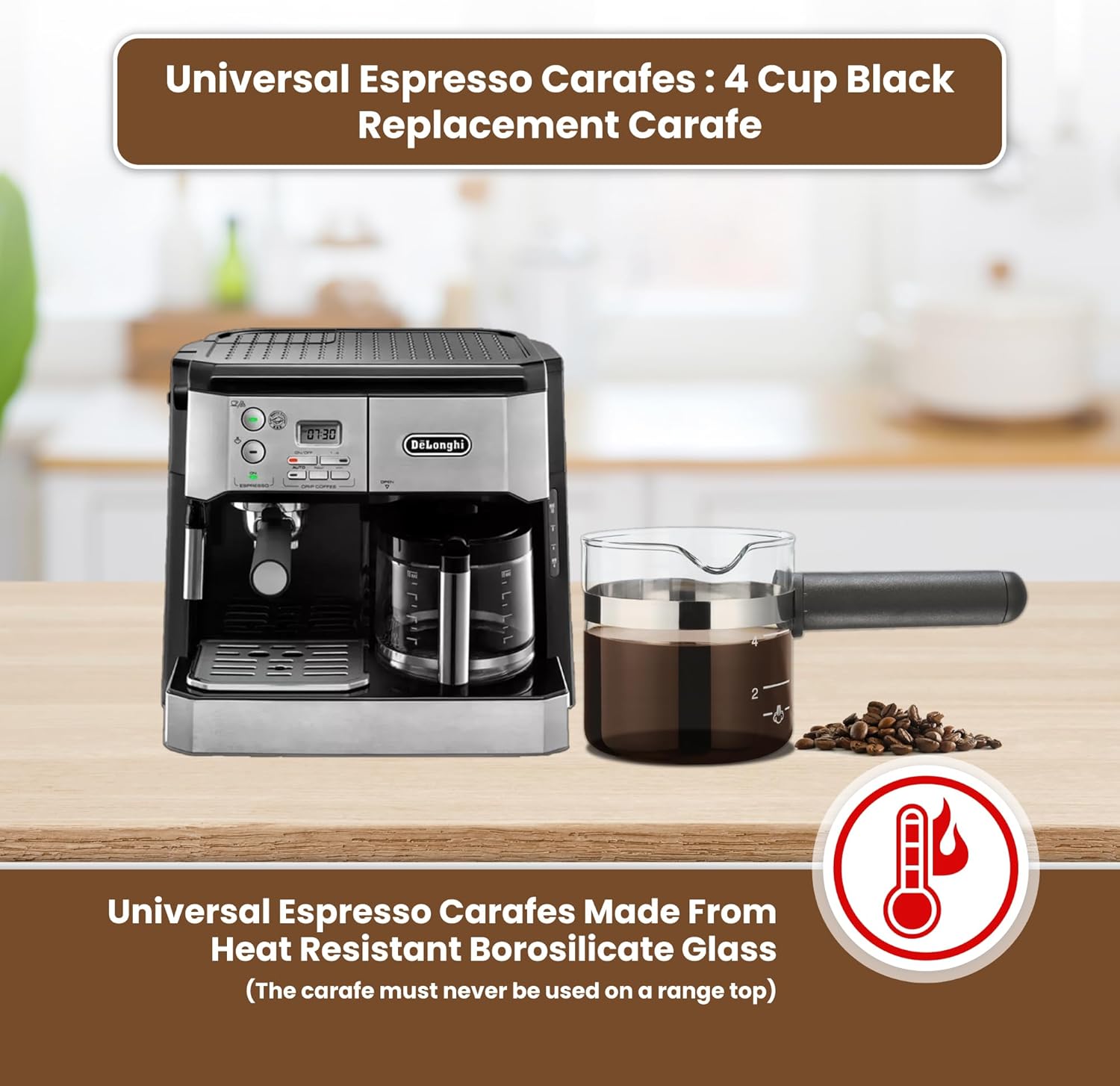
Coffee espresso machines are complex devices that consist of several essential parts working together to brew the perfect cup of espresso. Understanding the different components of an espresso machine can help you maintain and troubleshoot your device, ensuring that it continues to function optimally. In this article, we’ll explore the main parts of a coffee espresso machine and their roles in the brewing process.
1. Water Reservoir
The water reservoir is where the water used for brewing is stored. It is usually located at the back or side of the machine and can be removable or fixed. The capacity of the water reservoir varies depending on the size and model of the espresso machine. Some high-end machines have a direct water connection, eliminating the need for a separate reservoir.
2. Pump
The pump is responsible for drawing water from the reservoir and pushing it through the machine at high pressure. Most espresso machines use a vibratory pump or a rotary pump. Vibratory pumps are more common in home espresso machines, while rotary pumps are typically found in commercial machines. The pump is crucial for creating the high pressure needed to extract the flavors from the coffee grounds.
3. Boiler
The boiler is where the water is heated to the optimal temperature for brewing espresso. There are two main types of boilers: single boiler and double boiler. Single boiler machines use the same boiler for both brewing and steaming, while double boiler machines have separate boilers for each function. Some machines also feature a heat exchanger, which allows for simultaneous brewing and steaming.
4. Grouphead
The grouphead is where the brewing process takes place. It consists of a portafilter, which holds the coffee grounds, and a shower screen, which distributes the water evenly over the grounds. The grouphead is connected to the boiler and is responsible for maintaining the correct temperature and pressure during the brewing process.
5. Portafilter
The portafilter is a removable component that holds the coffee grounds during the brewing process. It typically consists of a handle, a basket, and a filter. The basket holds the coffee grounds, while the filter ensures that only the liquid espresso passes through to the cup. Portafilters come in different sizes and materials, such as stainless steel or brass.
6. Steam Wand
The steam wand is used for frothing milk for drinks like cappuccinos and lattes. It is connected to the boiler and uses steam to heat and texture the milk. The steam wand is an essential component for creating specialty coffee drinks and is found on most espresso machines.
7. Control Panel
The control panel is where you operate the espresso machine. It can include buttons, knobs, or digital displays, depending on the model. The control panel allows you to adjust settings such as the brewing temperature, pressure, and volume, as well as control the steam wand and other functions.
Conclusion
Understanding the different parts of a coffee espresso machine is essential for maintaining and troubleshooting your device. By familiarizing yourself with the water reservoir, pump, boiler, grouphead, portafilter, steam wand, and control panel, you’ll be better equipped to keep your machine running smoothly and produce delicious espresso drinks.
FAQs
Q: How often should I descale my espresso machine?
A: The frequency of descaling depends on the hardness of your water and the frequency of use. Generally, it’s recommended to descale your machine every 2-3 months to prevent mineral buildup and maintain optimal performance.
Q: Can I use any type of coffee in my espresso machine?
A: While you can use any type of coffee, it’s best to use freshly roasted, whole bean coffee that is ground just before brewing. Espresso machines work best with a fine, consistent grind that allows for optimal extraction.
Q: How do I choose the right espresso machine for my needs?


