


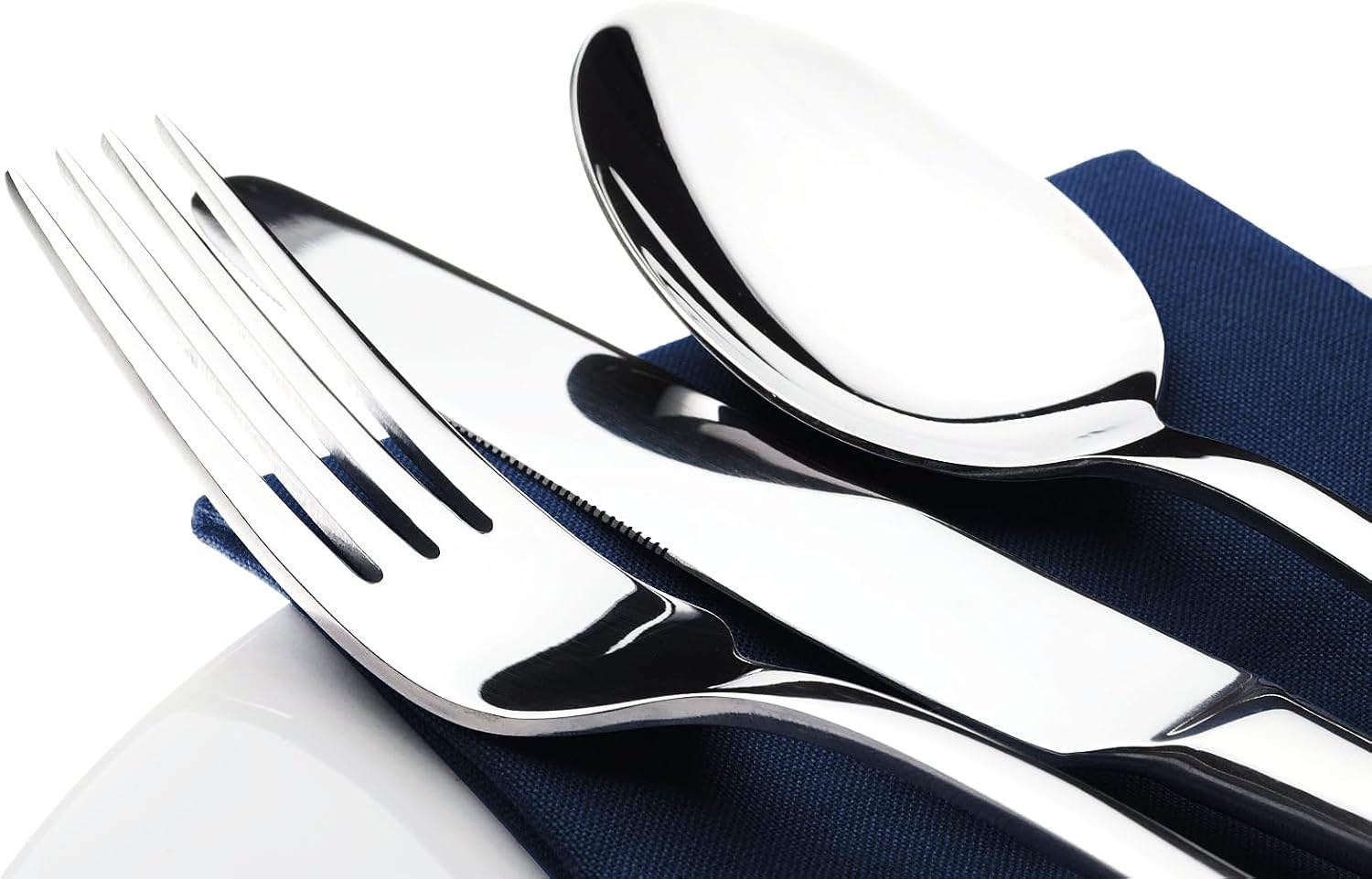
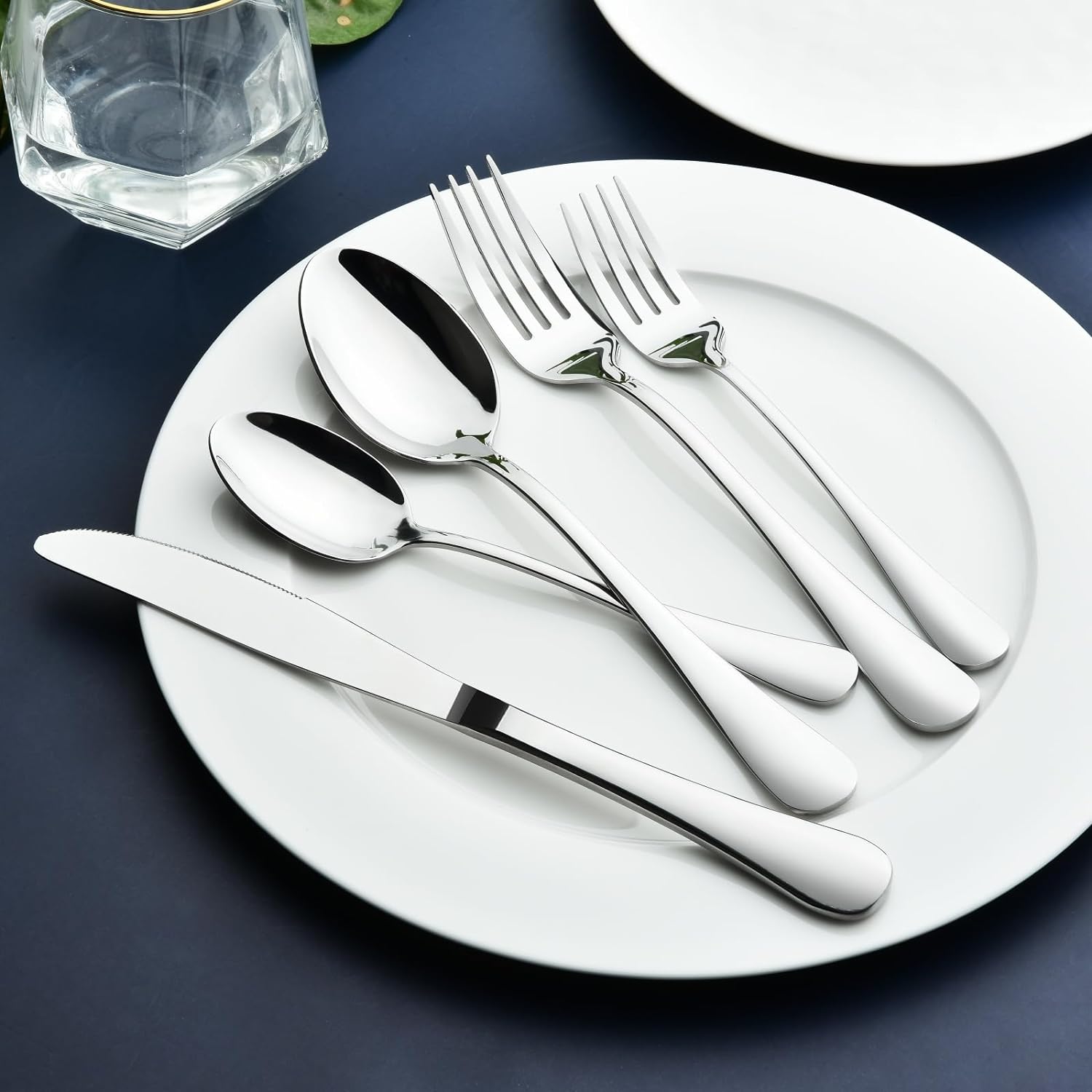


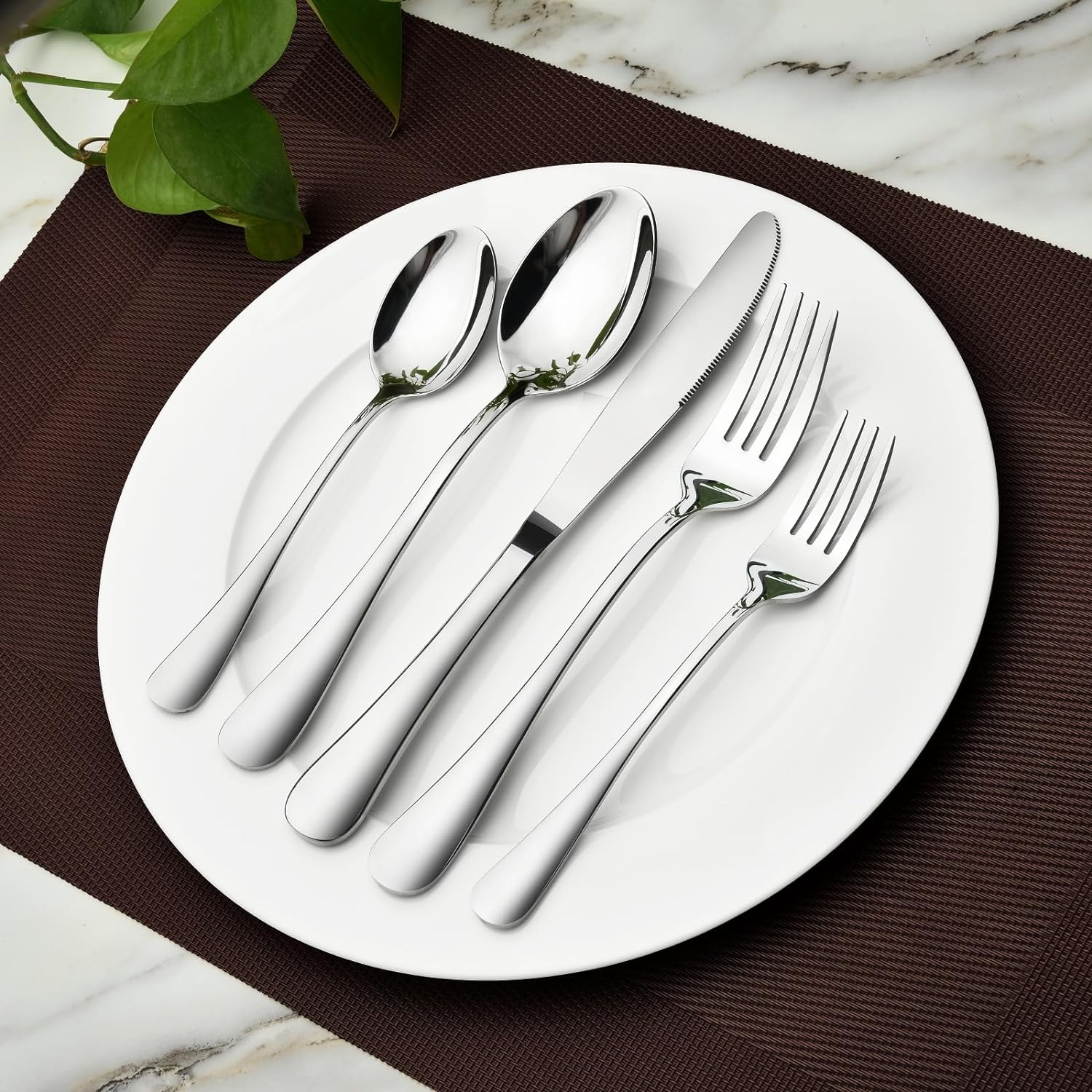

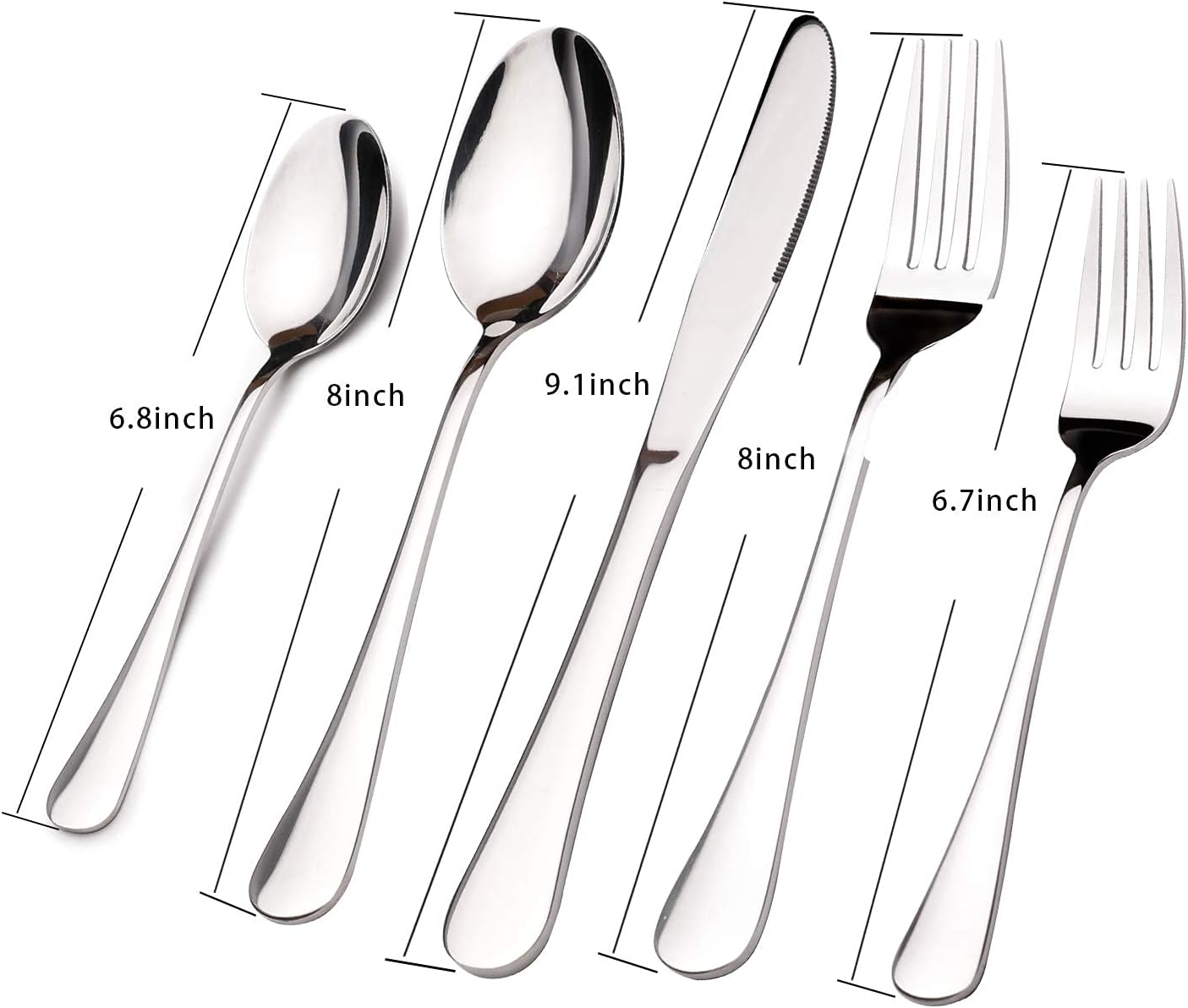
Flatware, also known as silverware or cutlery, is an essential part of any dining experience. It includes a variety of utensils such as forks, knives, and spoons that are used for eating and serving food. Flatware comes in different materials, styles, and designs, making it an important aspect of table setting and overall dining etiquette.
Materials
Flatware can be made from various materials, each with its own advantages and disadvantages. The most common materials include:
- Stainless Steel: This is the most popular material for flatware due to its durability, affordability, and resistance to rust and corrosion. It is also easy to clean and maintain.
- Sterling Silver: Known for its elegance and timeless appeal, sterling silver flatware is a luxurious option. However, it is more expensive and requires regular polishing to maintain its shine.
- Silver-Plated: A more affordable alternative to sterling silver, silver-plated flatware has a layer of silver over a base metal. It offers a similar appearance but may wear off over time.
- Gold-Plated: This type of flatware has a layer of gold over a base metal, giving it a luxurious and elegant look. However, it is more expensive and requires gentle handling to prevent the gold plating from wearing off.
- Plastic: Disposable plastic flatware is a convenient option for outdoor events, picnics, and casual gatherings. It is lightweight, affordable, and easy to dispose of after use.
Styles and Designs
Flatware comes in a wide range of styles and designs to suit different preferences and occasions. Some popular styles include:
- Traditional: Characterized by ornate designs and intricate patterns, traditional flatware often features a classic look that adds elegance to any table setting.
- Contemporary: Modern and sleek, contemporary flatware features clean lines and minimalistic designs that complement a variety of dining styles.
- Rustic: With a more casual and organic feel, rustic flatware often has a hammered or textured finish and may be made from materials like wood or tarnished metal.
- Novelty: Fun and whimsical, novelty flatware comes in unique shapes, colors, and designs that can add a touch of personality to any table setting.
Setting the Table
When setting the table with flatware, there are a few basic rules to follow:
- Forks are placed on the left side of the plate, with the salad fork on the outside and the dinner fork on the inside.
- Knives are placed on the right side of the plate, with the blade facing the plate. If a soup spoon is needed, it is placed to the right of the knife.
- Spoons are placed on the right side of the knife, with the dessert spoon on the outside and the soup spoon on the inside (if needed).
- Dessert forks and spoons can be brought out with the dessert course or placed horizontally above the plate.
Caring for Flatware
To keep your flatware looking its best, follow these care tips:
- Hand wash your flatware with mild soap and warm water, especially if it is made of sterling silver or has delicate designs.
- If using a dishwasher, use a gentle cycle and avoid overcrowding the basket to prevent scratching.
- Dry your flatware immediately after washing to prevent water spots and corrosion.
- Store your flatware in a dry place, away from moisture and humidity.
- Polish sterling silver flatware regularly to maintain its shine and prevent tarnishing.
Conclusion
Flatware is an essential part of any dining experience, and choosing the right materials, styles, and designs can elevate your table setting and enhance your overall dining experience. By following proper care and maintenance tips, you can ensure that your flatware lasts for years to come.
Frequently Asked Questions (FAQs)
- What is the difference between flatware and silverware?
Flatware and silverware are often used interchangeably, but there is a slight difference. Flatware refers to any type of eating or serving utensil, regardless of the material. Silverware, on the other hand, specifically refers to utensils made of silver or silver-plated materials. - How many sets of flatware should I own?
The number of flatware sets you should own depends on your lifestyle and entertaining needs. A good rule of thumb is to have enough sets for everyday use, plus a few extra sets for guests. For most households, 8-12 sets of flatware should be sufficient. - Can I put my flatware in the dishwasher?
Most stainless steel and silver-plated flatware can be safely washed in the dishwasher. However, hand washing is recommended for sterling silver and gold-plated flatware to prevent damage and maintain their shine. - How often should I polish my sterling silver flatware?
To keep your sterling silver flatware looking its best, it is recommended to polish it at least once or twice a year, or more often if you notice tarnishing. - What is the proper way to hold flatware?
The proper way to hold flatware is to grip the handle between your thumb and index finger, with your other fingers supporting the handle. Avoid holding the flatware like a pencil or in a fist, as this can be seen as improper etiquette.


