


Bakeware tools are essential for any baker, whether you’re a professional or just enjoy baking at home. These tools help you create delicious and beautiful baked goods with ease. In this article, we’ll discuss the various types of bakeware tools available and how they can help you in your baking endeavors.
Types of Bakeware Tools
There are many different types of bakeware tools available, each designed for a specific purpose. Here are some of the most common types:
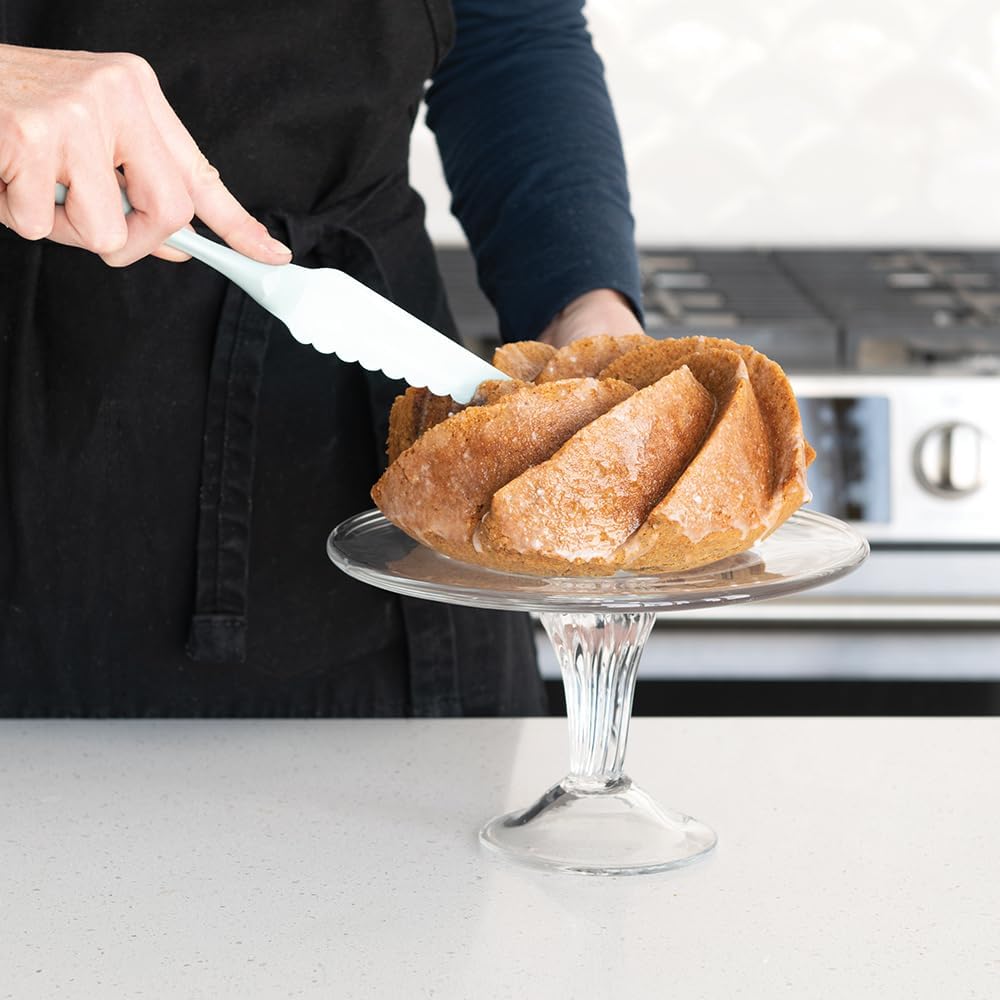
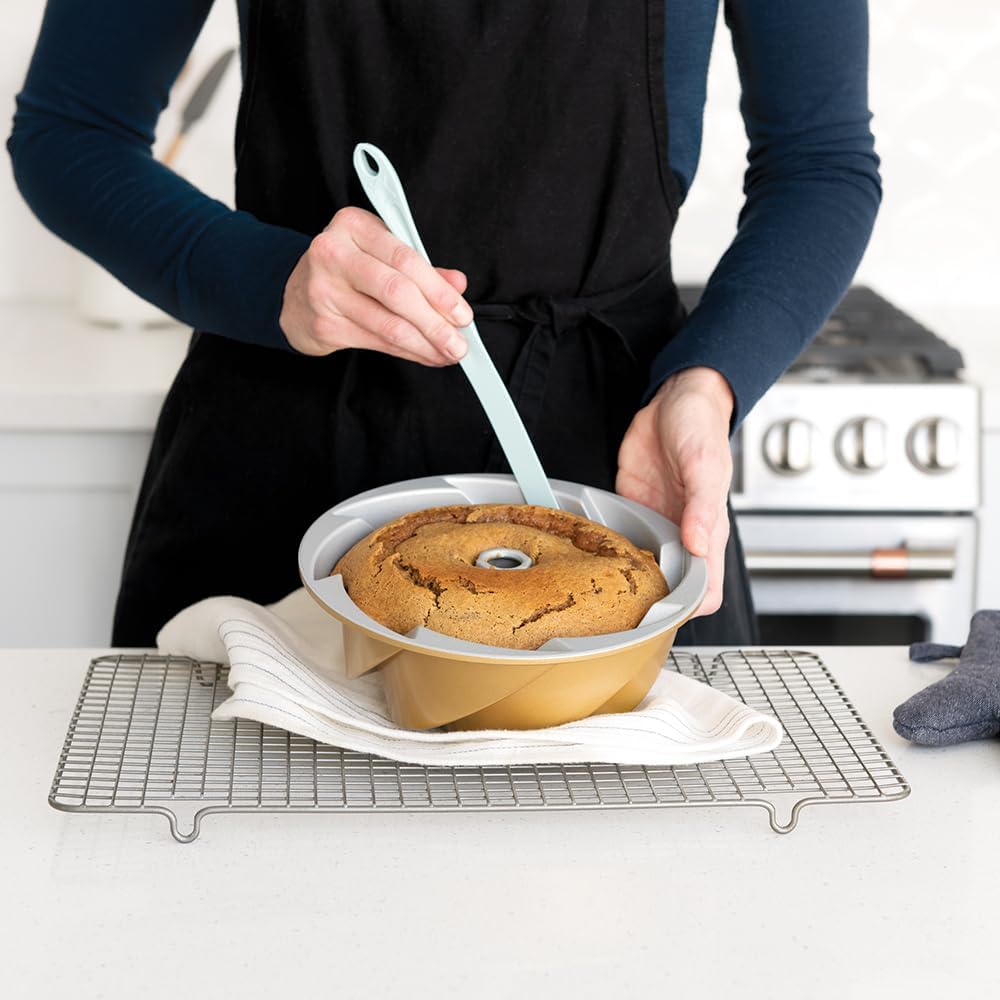
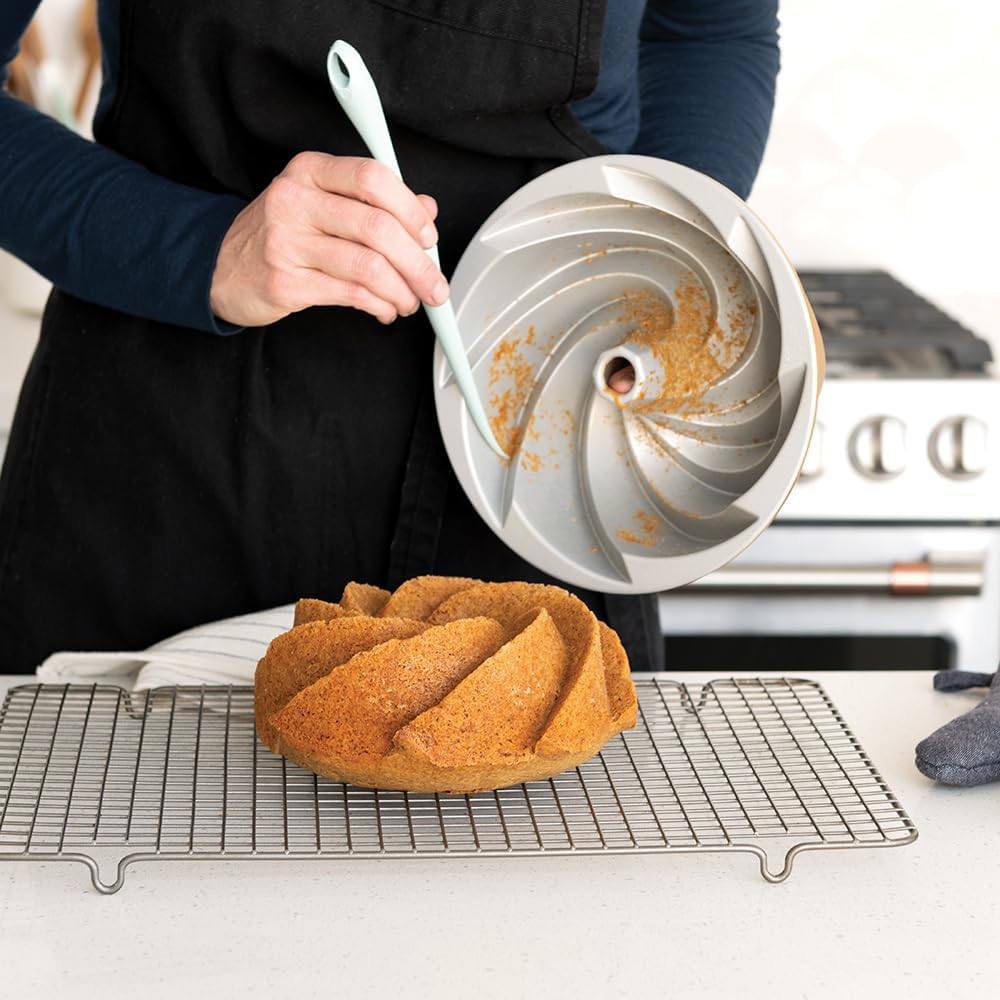
- Baking Pans: Baking pans come in a variety of shapes and sizes, including round, square, rectangular, and specialty shapes like hearts and flowers. They are used for baking cakes, breads, cookies, and other baked goods.
- Baking Sheets: Baking sheets, also known as cookie sheets, are flat, rectangular pans used for baking cookies, pastries, and other flat baked goods.
- Muffin Tins: Muffin tins are used for baking muffins, cupcakes, and other small, individually portioned baked goods.
- Loaf Pans: Loaf pans are rectangular pans used for baking breads and pound cakes.
- Springform Pans: Springform pans are round pans with removable sides, used for baking cheesecakes and other delicate cakes that need to be removed from the pan without damaging the sides.
- Tart Pans: Tart pans are shallow, round pans with fluted edges, used for baking tarts and quiches.
- Pie Dishes: Pie dishes are round, shallow dishes used for baking pies.
- Silicone Bakeware: Silicone bakeware is made from food-grade silicone and comes in a variety of shapes and sizes. It is flexible, non-stick, and can withstand high temperatures.
Materials Used in Bakeware Tools
Bakeware tools can be made from a variety of materials, each with its own advantages and disadvantages. Here are some of the most common materials used:
- Aluminum: Aluminum is a popular choice for bakeware because it is lightweight, durable, and conducts heat well. It is also relatively inexpensive.
- Stainless Steel: Stainless steel is durable and easy to clean, but it doesn’t conduct heat as well as aluminum.
- Glass: Glass bakeware is non-reactive and can go from the oven to the table, but it can break if exposed to sudden temperature changes.
- Ceramic: Ceramic bakeware is attractive and can go from the oven to the table, but it can be heavy and may crack if exposed to sudden temperature changes.
- Cast Iron: Cast iron bakeware is durable and conducts heat well, but it is heavy and requires special care to prevent rusting.
- Silicone: Silicone bakeware is flexible, non-stick, and can withstand high temperatures, but it may not brown baked goods as well as other materials.
Caring for Your Bakeware Tools
To ensure that your bakeware tools last for many years, it’s important to care for them properly. Here are some tips:
- Always follow the manufacturer’s instructions for use and care.
- Avoid using metal utensils on non-stick surfaces, as they can scratch the surface and cause the non-stick coating to flake off.
- Hand wash your bakeware tools with mild soap and warm water, and dry them thoroughly before storing.
- Avoid using abrasive cleaners or scouring pads, as they can damage the surface of your bakeware.
- Store your bakeware tools in a cool, dry place, and avoid stacking them on top of each other to prevent scratching.
Conclusion
Bakeware tools are an essential part of any baker’s kitchen. With the right tools, you can create beautiful and delicious baked goods with ease. Whether you’re a professional baker or just enjoy baking at home, investing in high-quality bakeware tools can make all the difference in your baking success. Take the time to choose the right tools for your needs, and be sure to care for them properly to ensure they last for many years to come.
FAQs
Q: Can I use a glass baking dish instead of a metal one?
A: Yes, you can use a glass baking dish instead of a metal one, but keep in mind that glass conducts heat differently than metal, so your baking times and temperatures may need to be adjusted.
Q: Is silicone bakeware safe to use?
A: Yes, silicone bakeware is safe to use as long as it is made from food-grade silicone. It is non-toxic and can withstand high temperatures without melting or releasing harmful chemicals.
Q: How do I prevent my baked goods from sticking to the pan?
A: To prevent your baked goods from sticking to the pan, you can grease the pan with butter or cooking spray, line it with parchment paper, or use a non-stick pan.
Q: Can I put my bakeware in the dishwasher?
A: Some bakeware is dishwasher safe, but it’s always best to check the manufacturer’s instructions before putting it in the dishwasher. Hand washing is usually the safest option to ensure the longevity of your bakeware tools.


