


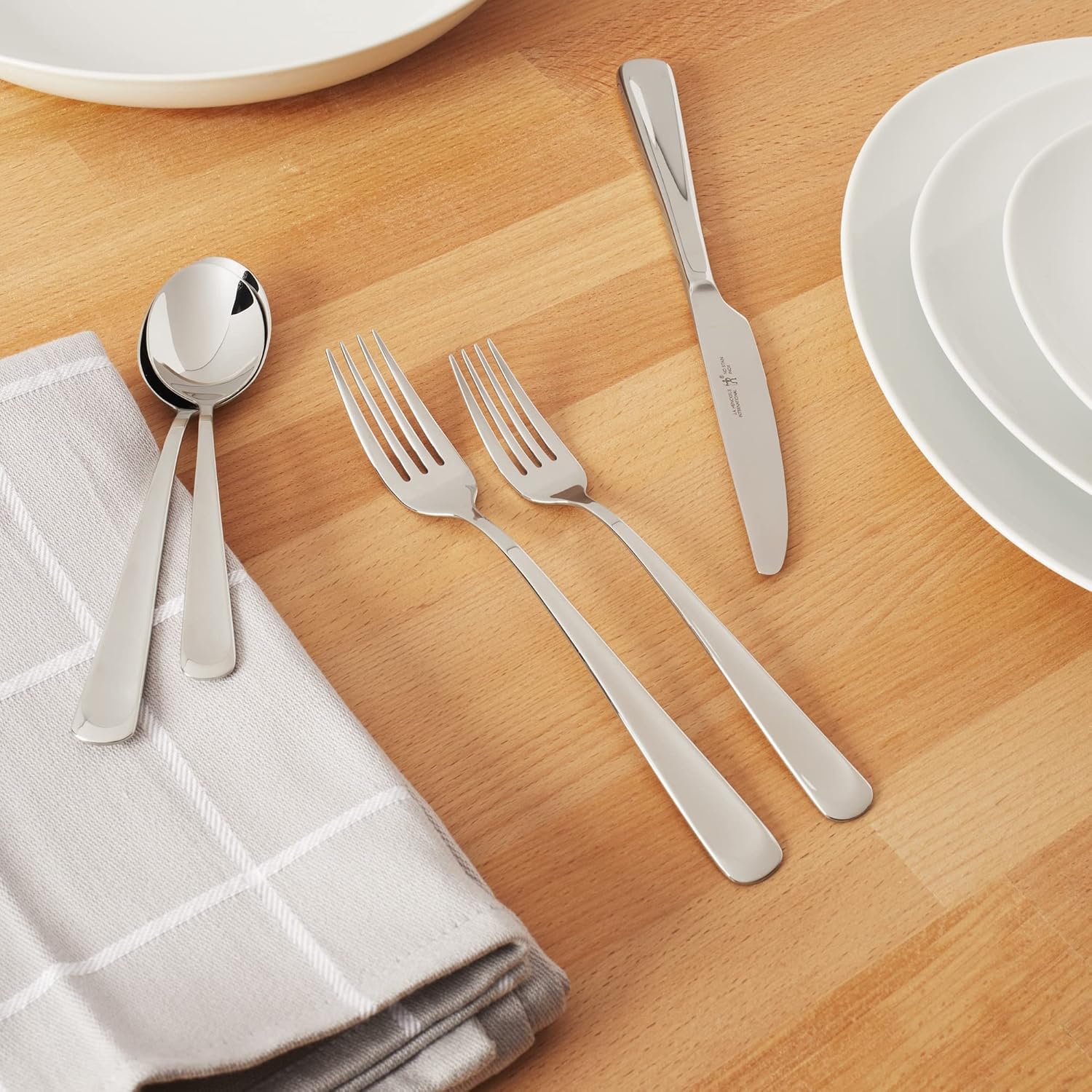


Flatware, also known as cutlery, is an essential part of any dining experience. It includes utensils such as forks, knives, and spoons that are used for eating and serving food. Flatware comes in various styles, materials, and finishes, making it a crucial aspect of table setting and overall dining aesthetics. In this article, we will explore the different types of flatware, their materials, and how to choose the perfect set for your needs.
Types of Flatware
There are several types of flatware, each designed for specific purposes:
- Dinner Fork: The largest fork in a flatware set, used for main courses.
- Salad Fork: Slightly smaller than a dinner fork, used for salads and appetizers.
- Dinner Knife: A sharp knife used for cutting main course dishes.
- Steak Knife: A serrated knife designed for cutting steak and other tough meats.
- Tablespoon: The largest spoon in a flatware set, used for soups and serving.
- Teaspoon: A smaller spoon used for stirring beverages and eating desserts.
- Dessert Fork: A small fork designed for eating desserts.
- Dessert Spoon: A spoon specifically designed for desserts.
- Butter Knife: A small, blunt knife used for spreading butter and other condiments.
Materials
Flatware is made from various materials, each with its own advantages and disadvantages:
- Stainless Steel: The most common material for flatware, stainless steel is durable, resistant to corrosion, and easy to maintain. It is available in different grades, with 18/10 (18% chromium and 10% nickel) being the highest quality.
- Sterling Silver: A premium material, sterling silver is known for its elegance and luxury. It is more expensive than stainless steel and requires regular polishing to maintain its shine.
- Silver Plated: A less expensive alternative to sterling silver, silver-plated flatware consists of a base metal with a thin layer of silver. It offers a similar appearance to sterling silver but may wear off over time.
- Gold Plated: Similar to silver-plated flatware, gold-plated flatware has a base metal with a thin layer of gold. It offers a luxurious look but is less durable than stainless steel or sterling silver.
- Plastic: Disposable plastic flatware is convenient for outdoor events and parties. However, it is less durable and eco-friendly compared to metal options.
Choosing the Right Flatware
When selecting flatware for your home or event, consider the following factors:
- Quality: Invest in high-quality flatware that will last for years. Look for 18/10 stainless steel or sterling silver for the best durability and appearance.
- Style: Choose a style that complements your dining room decor and personal taste. Flatware is available in various designs, from traditional to modern and minimalist.
- Comfort: Ensure the flatware feels comfortable to hold and use. The weight and balance of the pieces should feel natural in your hand.
- Maintenance: Consider the care requirements for your chosen material. Stainless steel is generally easy to maintain, while silver and gold-plated flatware may require more upkeep.
- Purpose: Determine the specific pieces you need based on the type of meals you serve and the number of guests you typically host.
Caring for Your Flatware
To keep your flatware looking its best, follow these care tips:
- Clean promptly: Wash your flatware soon after use to prevent food residue from drying and staining the surface.
- Hand wash: While many flatware sets are dishwasher-safe, hand washing can help prolong their lifespan and maintain their finish.
- Dry thoroughly: After washing, dry your flatware completely to prevent water spots and corrosion.
- Store properly: Store your flatware in a dry place, away from moisture and humidity. Use a flatware organizer to keep pieces separated and prevent scratching.
- Polish regularly: If you have sterling silver or silver-plated flatware, polish it regularly with a specialized silver cleaner to maintain its shine.
Conclusion
Flatware is an essential component of any dining experience, combining functionality and style. By understanding the different types of flatware, materials, and how to choose the right set for your needs, you can create a beautiful table setting that enhances your meals. Remember to care for your flatware properly to ensure it lasts for years to come.
FAQs
Q: How many place settings should I purchase for my flatware?
A: It’s recommended to have at least one place setting per person in your household, plus a few extra for guests. For larger events or frequent entertaining, consider purchasing additional settings.
Q: Can I mix and match different flatware styles?
A: Yes, you can mix and match flatware styles to create a unique and eclectic table setting. Just ensure that the pieces complement each other and maintain a cohesive look.
Q: Is it safe to put my flatware in the dishwasher?
A: Most stainless steel flatware is dishwasher-safe. However, hand washing is always the best option for maintaining the longevity and appearance of your flatware, especially for silver or gold-plated pieces.
Q: How often should I polish my sterling silver flatware?
A: Polish your sterling silver flatware as needed, typically every few months or when you notice tarnishing. Regular use and proper storage can help reduce the frequency of polishing required.
Q: Can I use stainless steel flatware for outdoor events?
A: Yes, stainless steel flatware is an excellent choice for outdoor events due to its durability and resistance to corrosion. However, if you prefer a disposable option, plastic flatware is a convenient alternative.


