


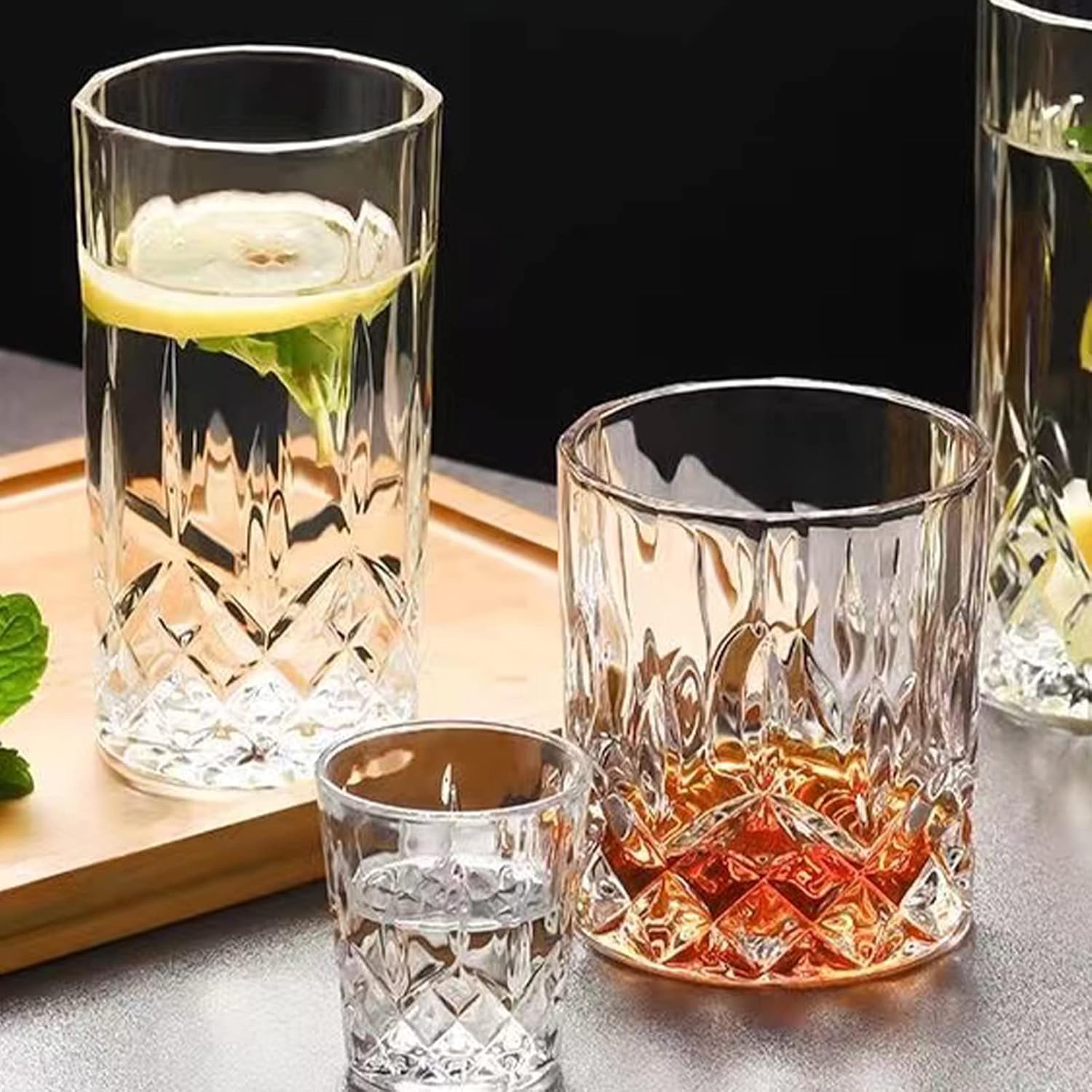
Glassware and drinkware are essential components of any dining experience, whether it’s a casual gathering or a formal event. These vessels not only serve a functional purpose but also contribute to the overall aesthetic and ambiance of the occasion. From simple tumblers to intricate crystal goblets, the world of glassware and drinkware offers a wide array of options to suit various preferences and occasions.
Types of Glassware and Drinkware
The most common types of glassware and drinkware include:
- Wine Glasses: Designed specifically for enhancing the aroma and flavor of different types of wine, wine glasses come in various shapes and sizes. The most common are red wine glasses, white wine glasses, and champagne flutes.
- Beer Glasses: Beer glasses also come in different shapes and sizes to complement the unique characteristics of various beer styles. Some popular beer glass types include pint glasses, pilsner glasses, and snifters.
- Cocktail Glasses: Cocktail glasses are designed to showcase the visual appeal of mixed drinks while also enhancing their aroma and flavor. Common cocktail glasses include martini glasses, highball glasses, and old-fashioned glasses.
- Water Glasses: Water glasses are simple, versatile, and essential for any table setting. They come in various sizes and styles, from classic tumblers to more decorative options.
- Specialty Glasses: Specialty glasses are designed for specific beverages, such as brandy snifters, cognac glasses, and Irish coffee mugs.
Materials
Glassware and drinkware can be made from various materials, each with its own unique properties and benefits:
- Glass: The most common material for drinkware, glass is durable, transparent, and suitable for a wide range of beverages. It is also non-porous, which means it won’t absorb flavors or odors.
- Cystal: Crystal glassware contains lead oxide, which gives it a higher refractive index and a more brilliant appearance than regular glass. Crystal is often used for high-end wine glasses and other luxury drinkware.
- Stainless Steel: Stainless steel is a popular choice for insulated tumblers and travel mugs, as it is durable, rust-resistant, and can maintain the temperature of both hot and cold beverages.
- Ceramic: Ceramic mugs and cups are often used for hot beverages like coffee and tea. They are durable, heat-resistant, and can be decorated with various designs and glazes.
- Plastic: Plastic drinkware is lightweight, shatterproof, and often used for outdoor events and casual gatherings. However, it is not as durable as other materials and may not be suitable for hot beverages.
Choosing the Right Glassware and Drinkware
When selecting glassware and drinkware for your home or event, consider the following factors:
- Occasion: The type of event or gathering will help determine the appropriate style and formality of the glassware and drinkware. For example, a casual backyard barbecue may call for plastic cups or simple tumblers, while a formal dinner party may require elegant wine glasses and champagne flutes.
- Beverage Type: Different beverages are best served in specific types of glasses to enhance their aroma, flavor, and visual appeal. Consider the primary beverages you’ll be serving and choose glassware that complements them.
- Durability: If you have children or frequently entertain outdoors, you may want to opt for more durable materials like stainless steel or plastic to avoid breakage.
- Storage Space: Glassware and drinkware can take up significant storage space, so consider your available storage when making your selection. Stacking glasses or choosing multi-purpose options can help save space.
- Budget: Glassware and drinkware come in a wide range of prices, from inexpensive plastic cups to high-end crystal glasses. Determine your budget and prioritize your needs when making your selection.
Caring for Your Glassware and Drinkware
To ensure your glassware and drinkware last for years to come, follow these care tips:
- Hand wash delicate glassware, particularly crystal and stemmed glasses, to avoid damage.
- Use a soft sponge or cloth to clean your glassware and avoid abrasive scrubbers that can scratch the surface.
- Allow glassware to cool before washing to prevent thermal shock, which can cause cracking or breakage.
- Store glassware upright to prevent chips and cracks.
- Polish glassware with a soft, lint-free cloth to maintain its clarity and shine.
Conclusion
Glassware and drinkware are not only practical but also contribute to the overall dining experience. By understanding the different types of glasses, materials, and factors to consider when making your selection, you can create a well-rounded collection that suits your needs and enhances your entertaining style. Remember to care for your glassware properly to ensure it remains in excellent condition for years to come.
FAQs
Q: Can I put my glassware in the dishwasher?
A: While some glassware is dishwasher-safe, it’s best to hand wash delicate or expensive pieces to avoid damage. Always check the manufacturer’s instructions for specific care recommendations.
Q: How do I remove stubborn stains from my glassware?
A: For tough stains, try soaking the glassware in a mixture of warm water and white vinegar for several hours before washing. You can also use a soft-bristled bottle brush to gently scrub away stains.
Q: What is the best way to store stemware?
A: Store stemware upside down on a soft surface or in a stemware rack to prevent chips and cracks. Avoid stacking stemware, as this can cause damage to the delicate stems.
Q: Can I use plastic drinkware for hot beverages?
A: While some plastic drinkware is designed to withstand hot temperatures, it’s generally best to avoid using plastic for hot beverages, as it can melt or release harmful chemicals. Stick to ceramic, glass, or stainless steel for hot drinks.


