


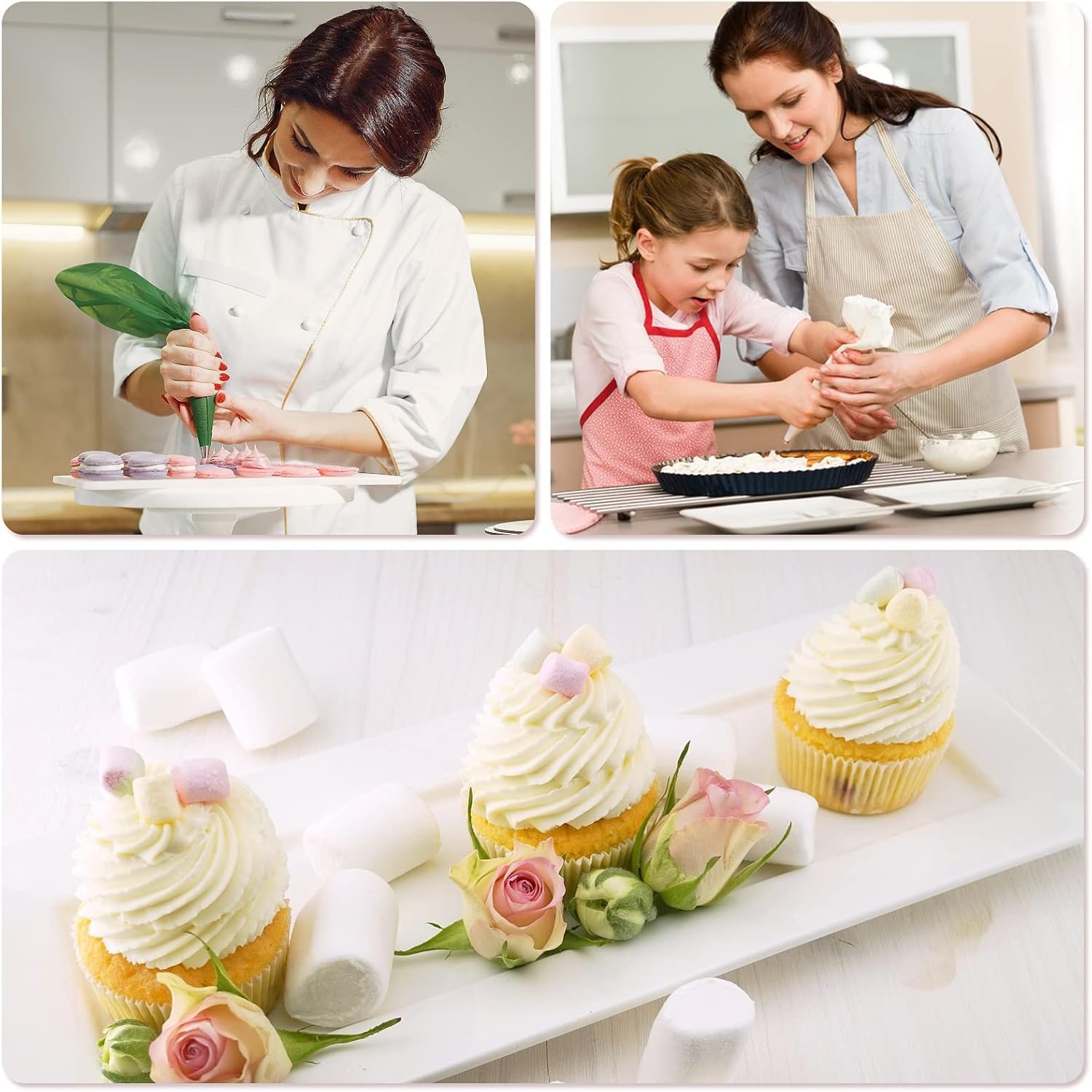
Bakeware and tools are essential for any aspiring or experienced baker. Whether you’re whipping up a batch of cookies, a delicate pastry, or a show-stopping cake, having the right equipment can make all the difference in the outcome of your baked goods. In this article, we’ll explore the various types of bakeware and tools available and discuss their uses and benefits.
Bakeware
Bakeware refers to the dishes and pans used for baking. The most common materials for bakeware include metal, glass, ceramic, and silicone. Each material has its own advantages and disadvantages, and the best choice depends on the type of baked good you’re making.
Metal Bakeware
Metal bakeware is the most popular choice for baking due to its durability and excellent heat conduction. The most common types of metal bakeware include:
- Aluminum: Lightweight, affordable, and provides even heating. However, it can react with acidic ingredients, affecting the flavor of your baked goods.
- Stainless steel: Durable, non-reactive, and easy to clean. However, it doesn’t conduct heat as well as aluminum.
- Carbon steel: Heats quickly and evenly, making it ideal for thin, crisp cookies and crusty bread.
- Cast iron: Provides excellent heat retention and creates a crisp, golden crust on baked goods. However, it’s heavy and requires seasoning.
Glass Bakeware
Glass bakeware is non-reactive, meaning it won’t affect the flavor of your baked goods. It also allows you to monitor the browning of your baked goods through the transparent surface. However, glass is a poor conductor of heat and can cause uneven baking.
Ceramic Bakeware
Ceramic bakeware is attractive, non-reactive, and provides even heating. It’s ideal for casseroles, pies, and other dishes that require longer baking times. However, ceramic can be fragile and expensive compared to other materials.
Silicone Bakeware
Silicone bakeware is flexible, non-stick, and easy to clean. It’s also resistant to high temperatures and can be used in the oven, microwave, and freezer. However, silicone doesn’t conduct heat as well as metal, which can result in longer baking times.
Baking Tools
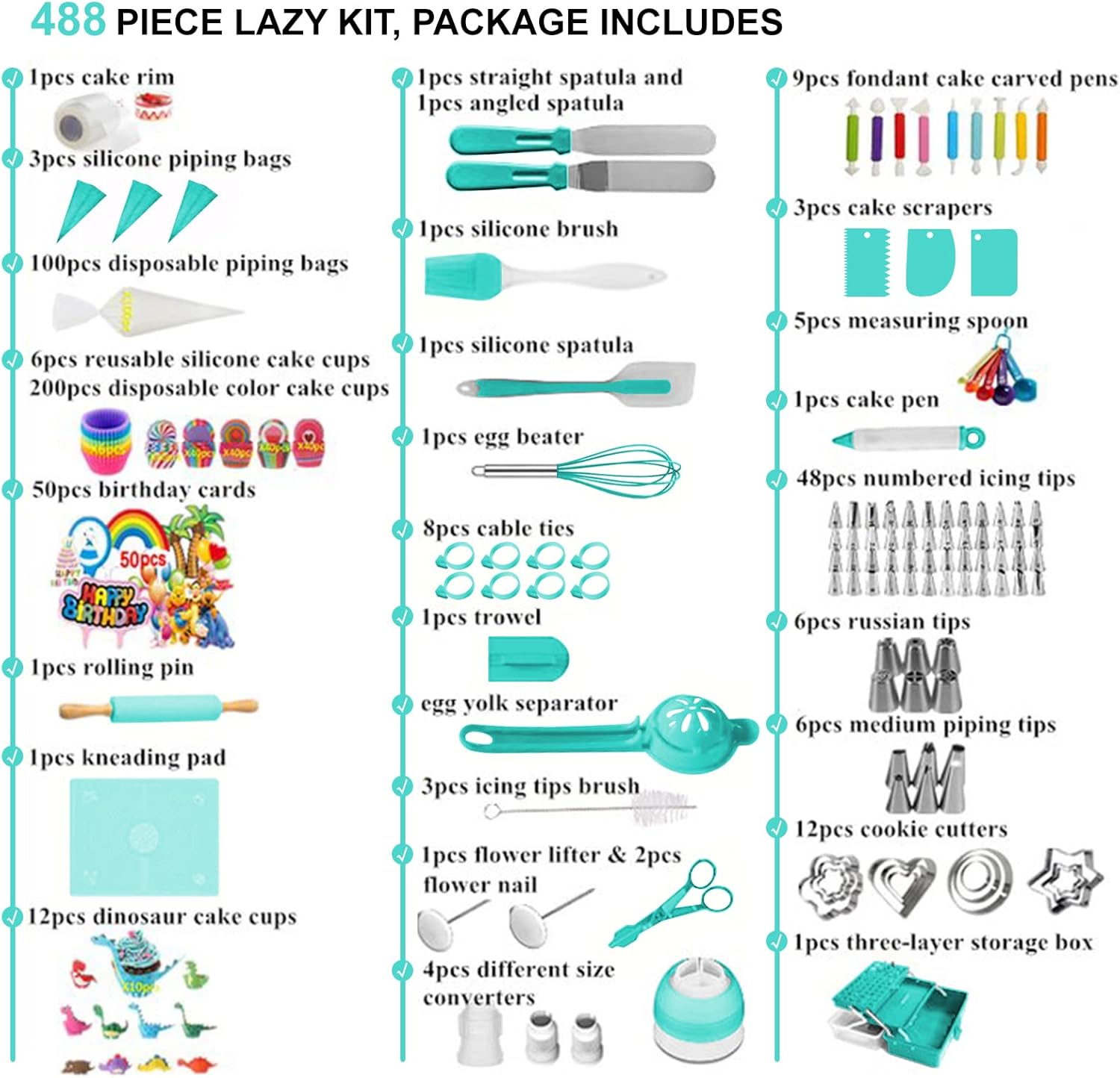
In addition to bakeware, various tools can help you achieve the best results in your baking endeavors. Some essential baking tools include:
Measuring Cups and Spoons
Accurate measurements are crucial for successful baking. Measuring cups and spoons ensure you add the right amount of each ingredient to your recipe.
Mixing Bowls
Mixing bowls are essential for combining ingredients and creating smooth batters or doughs. They come in various sizes and materials, such as stainless steel, glass, and plastic.
Whisks
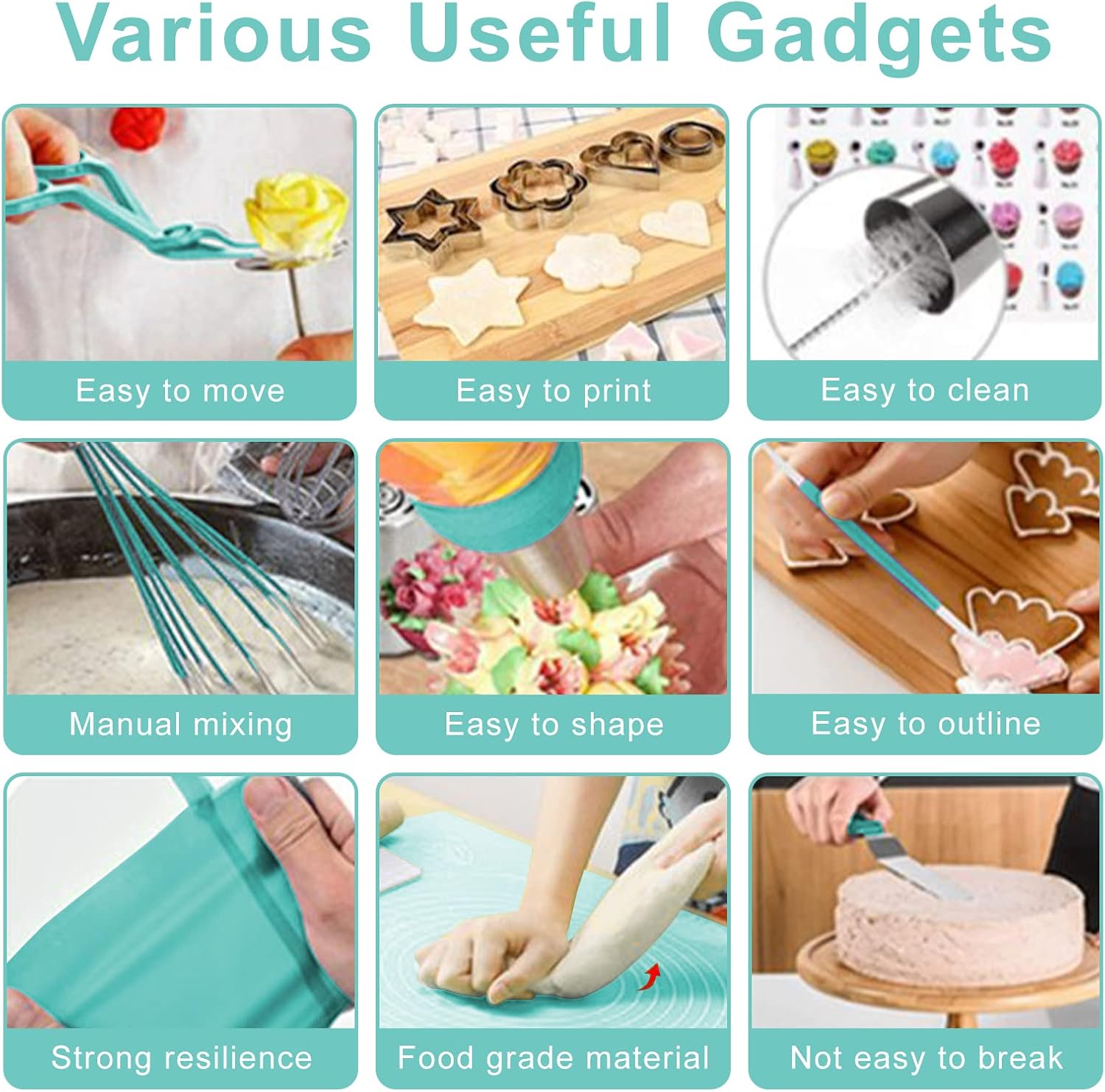
Whisks are used for mixing, beating, and incorporating air into ingredients. They come in various shapes and sizes, including balloon whisks, flat whisks, and ball whisks.
Spátulas
Spátulas are versatile tools used for scraping bowls, spreading batter, and folding ingredients. Silicone spatulas are heat-resistant and can be used for cooking and baking.
Pastry Brushes
Pastry brushes are used for applying glazes, egg washes, and butter to baked goods. They come in various sizes and materials, such as natural bristle, silicone, and nylon.
Rolling Pins
Rolling pins are essential for rolling out dough for pies, cookies, and pastries. They come in various materials, such as wood, marble, and silicone.
Parchment Paper
Parchment paper is a non-stick, heat-resistant paper used to line baking sheets and pans. It prevents baked goods from sticking and makes cleanup easier.
Conclusion
Having the right bakeware and tools can significantly impact the quality of your baked goods. By understanding the different materials and their properties, you can choose the best bakeware for your needs. Additionally, investing in essential baking tools can help you achieve consistent results and make the baking process more enjoyable. With the right equipment and a little practice, you’ll be well on your way to creating beautiful and delicious baked goods.
FAQs
Q: Can I use a glass pan instead of a metal pan for baking?
A: Yes, you can use a glass pan for baking, but keep in mind that glass is a poor conductor of heat and may require longer baking times. You may also need to adjust the temperature by 25°F (14°C) lower than the recipe calls for.
Q: Is silicone bakeware safe to use?
A: Yes, silicone bakeware is safe to use and is approved by the FDA. It’s heat-resistant, non-toxic, and doesn’t react with food or beverages.
Q: How do I prevent my baked goods from sticking to the pan?
A: To prevent sticking, you can grease your pan with butter, oil, or cooking spray. You can also line your pan with parchment paper for easy release and cleanup.
Q: Can I use a regular whisk instead of a balloon whisk?
A: Yes, you can use a regular whisk for most baking tasks. However, a balloon whisk is more effective at incorporating air into ingredients, making it ideal for whipping egg whites or cream.
Q: What’s the best way to clean my bakeware and tools?
A: Most bakeware and tools can be cleaned with warm, soapy water and a soft sponge. Avoid using abrasive cleaners or scouring pads, which can scratch the surface of your bakeware. For tough, stuck-on bits, soak your bakeware in warm, soapy water before cleaning.


