


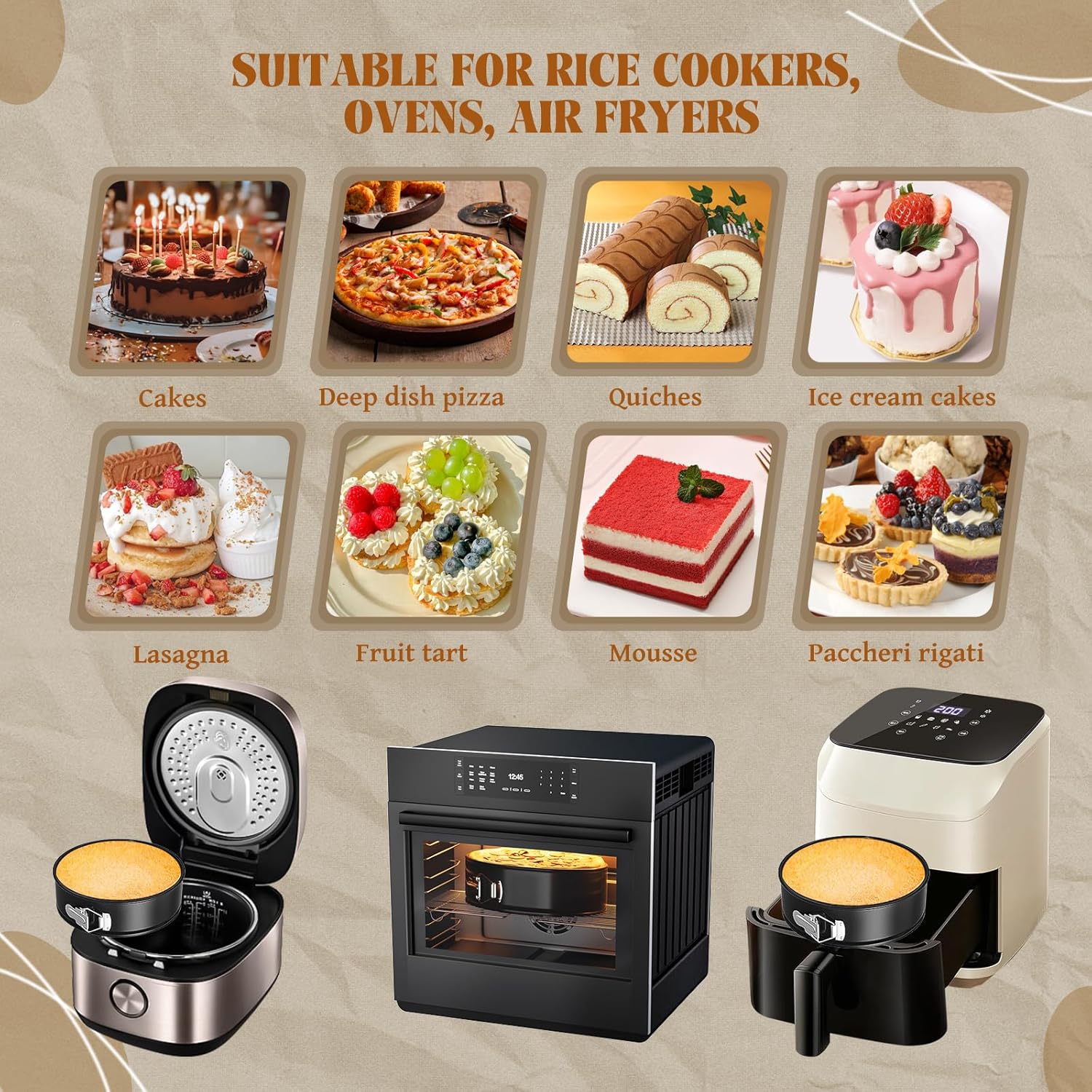
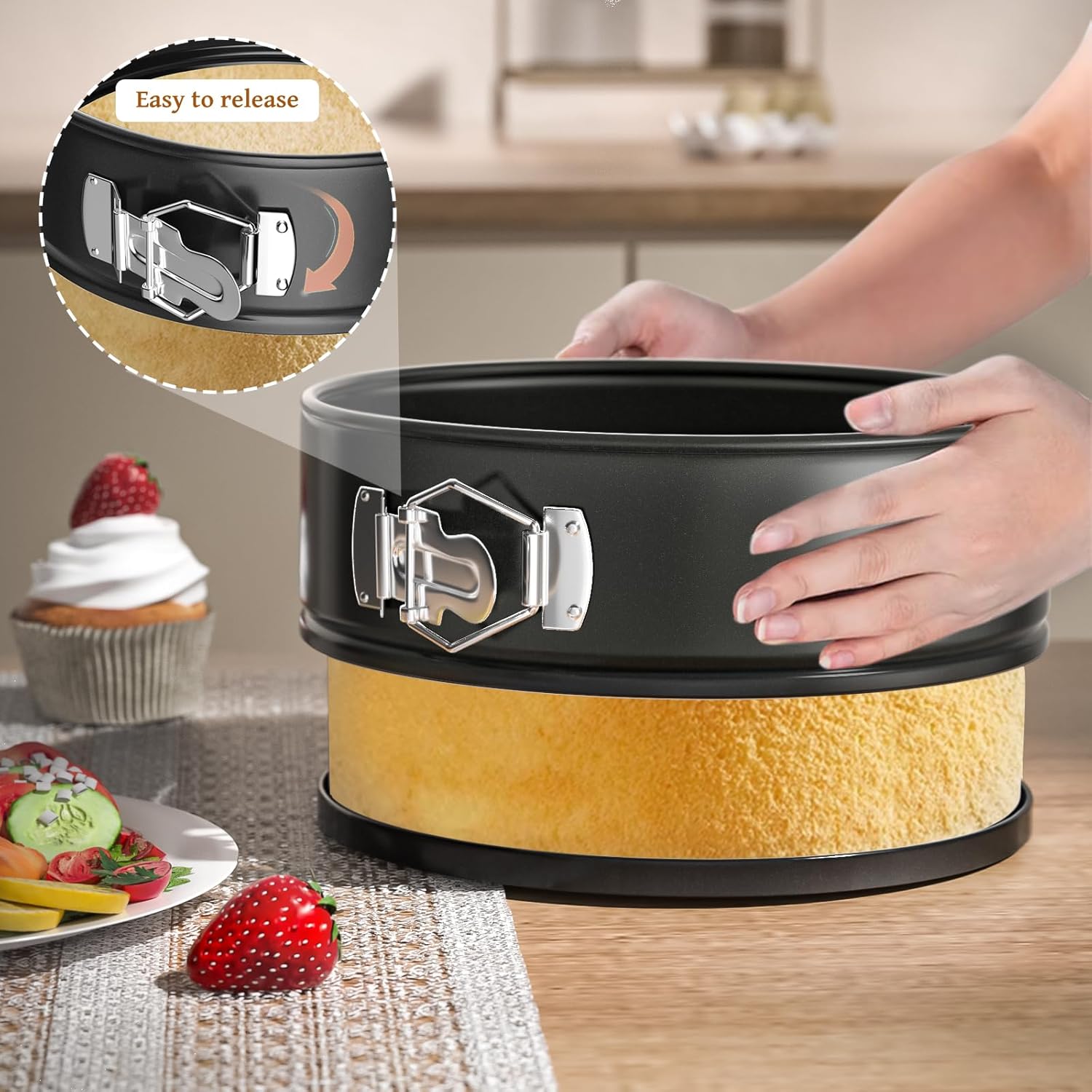
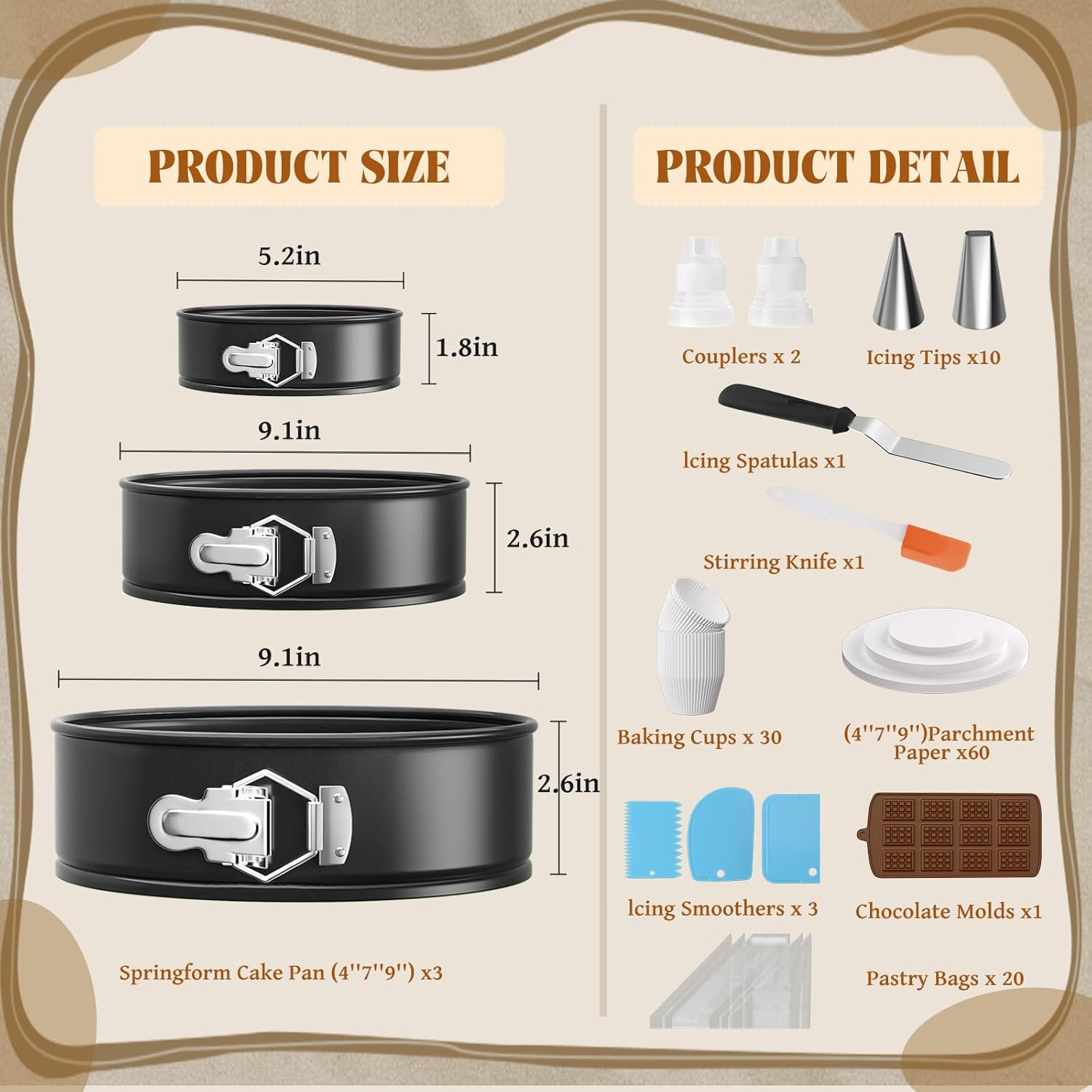
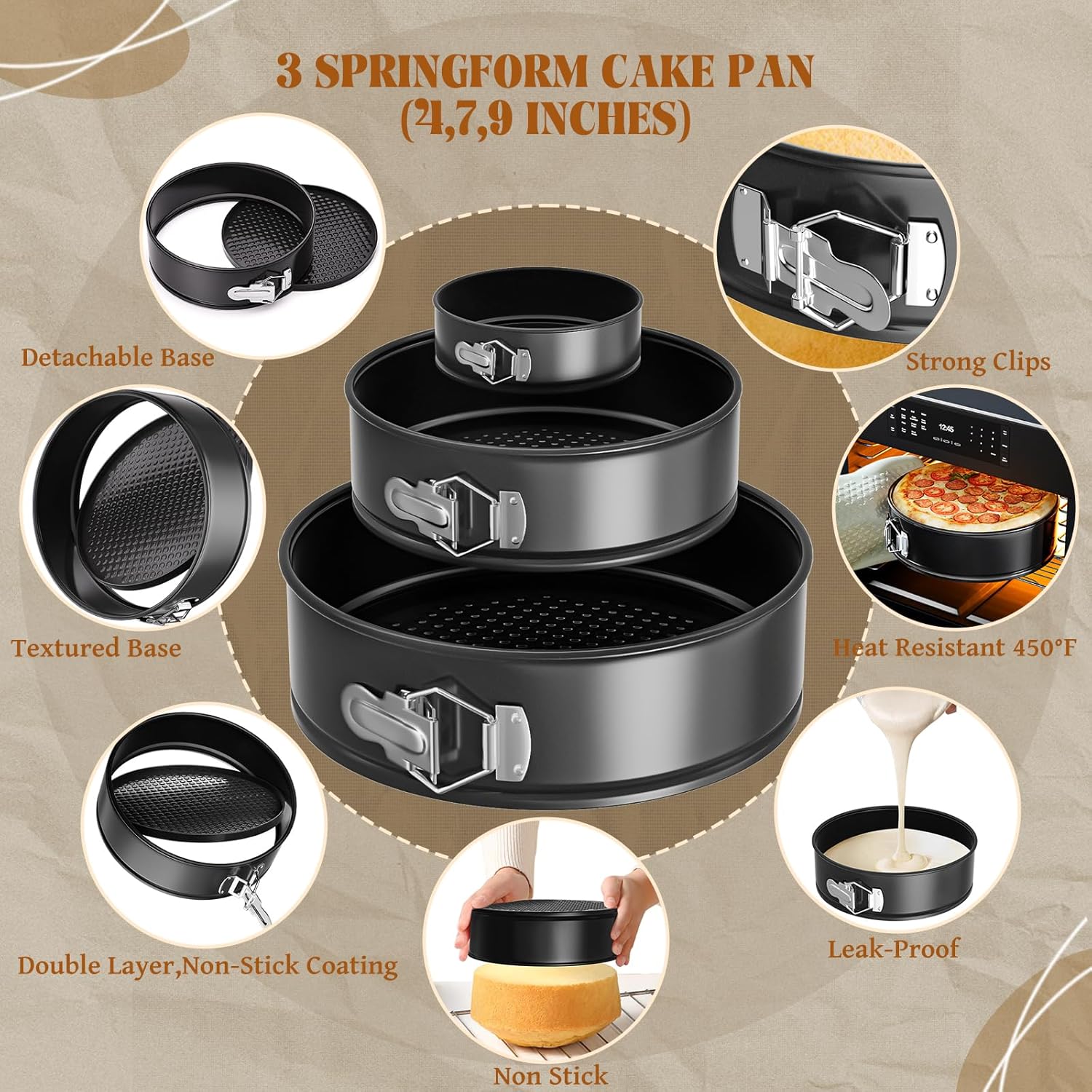
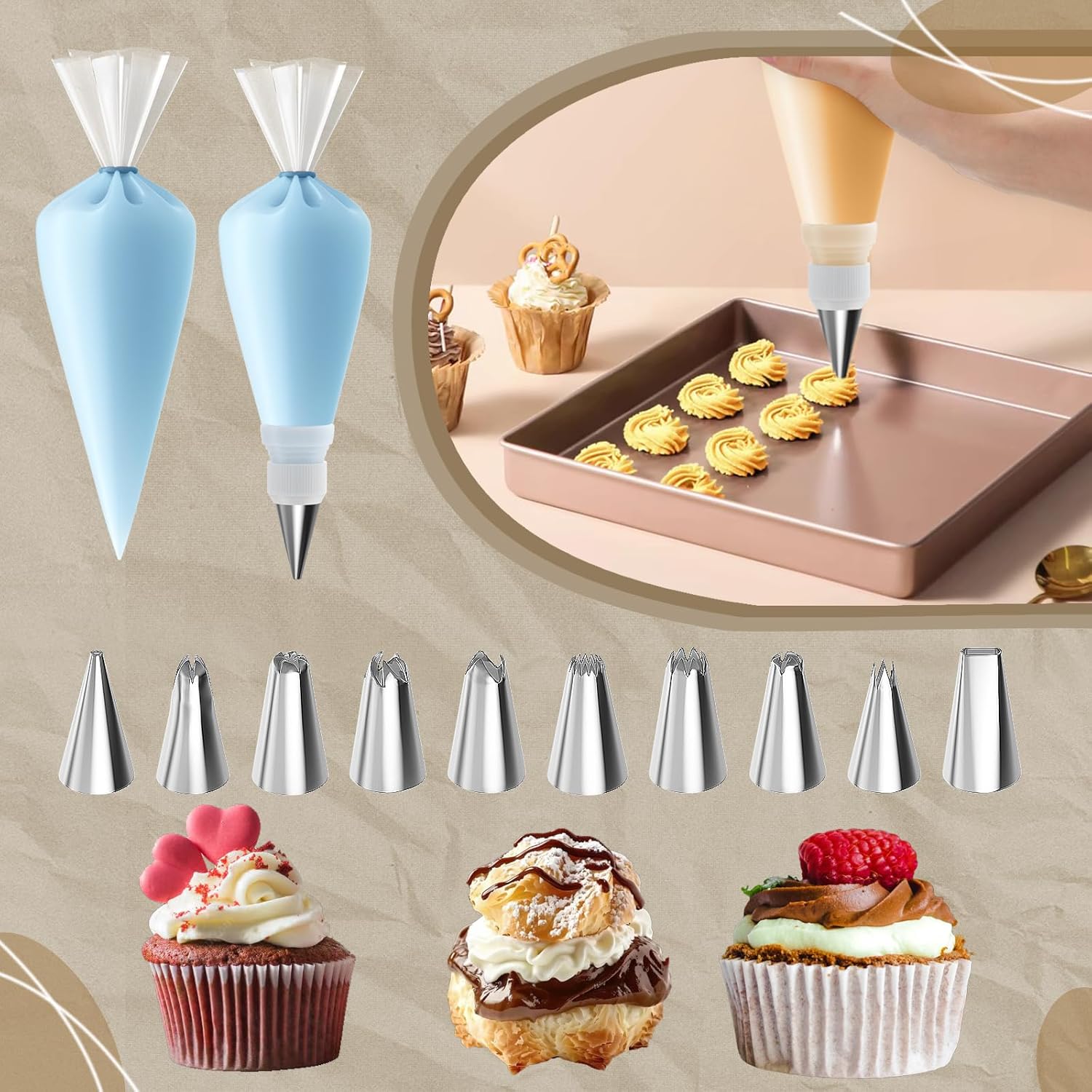
Bakeware and tools are essential for any baker, whether a novice or a seasoned professional. Having the right equipment can make all the difference in the quality of your baked goods and the ease with which you can create them. In this article, we’ll explore the various types of bakeware and tools available and how they can help you achieve perfect results every time.
Bakeware
Bakeware refers to the dishes and pans used for baking. The most common materials for bakeware are metal, glass, and silicone. Each has its advantages and disadvantages, and the choice often comes down to personal preference and the type of baked good being made.
Metal Bakeware
Metal bakeware is the most common type and is available in a variety of shapes and sizes. It is durable, conducts heat well, and is generally easy to clean. The most common metals used in bakeware are aluminum, stainless steel, and carbon steel.
Aluminum is an excellent heat conductor and is lightweight, making it easy to handle. However, it can react with acidic ingredients, so it’s best to avoid using aluminum pans for recipes that contain a lot of citrus or vinegar.
Stainless steel is non-reactive, meaning it won’t interact with acidic ingredients. It’s also durable and easy to clean, but it doesn’t conduct heat as well as aluminum, so baked goods may take longer to cook.
Carbon steel is similar to stainless steel but is even more durable. It’s often used for high-heat baking, such as pizza stones or bread ovens.
Glass Bakeware
Glass bakeware is non-reactive and provides even heating, making it a good choice for casseroles, pies, and other dishes that require slow, steady cooking. However, glass is more fragile than metal and can shatter if exposed to sudden temperature changes, so it’s essential to handle it carefully.
Silicone Bakeware
Silicone bakeware is a relatively new addition to the market and offers several advantages over traditional metal and glass. It’s flexible, non-stick, and can withstand high temperatures without warping or melting. However, silicone doesn’t conduct heat as well as metal, so baked goods may take longer to cook and may not brown as evenly.
Baking Tools
In addition to bakeware, several tools can make baking easier and more precise. Some of the most essential baking tools include:
Measuring Cups and Spoons
Accurate measurements are crucial in baking, and having a set of measuring cups and spoons is essential. Look for ones that are durable and easy to read, with clearly marked measurements.
Mixing Bowls
Mixing bowls are another must-have for any baker. They come in various sizes and materials, including stainless steel, glass, and ceramic. Choose a set that is durable, easy to clean, and has a non-slip base for stability.
Whisks and Spatulas
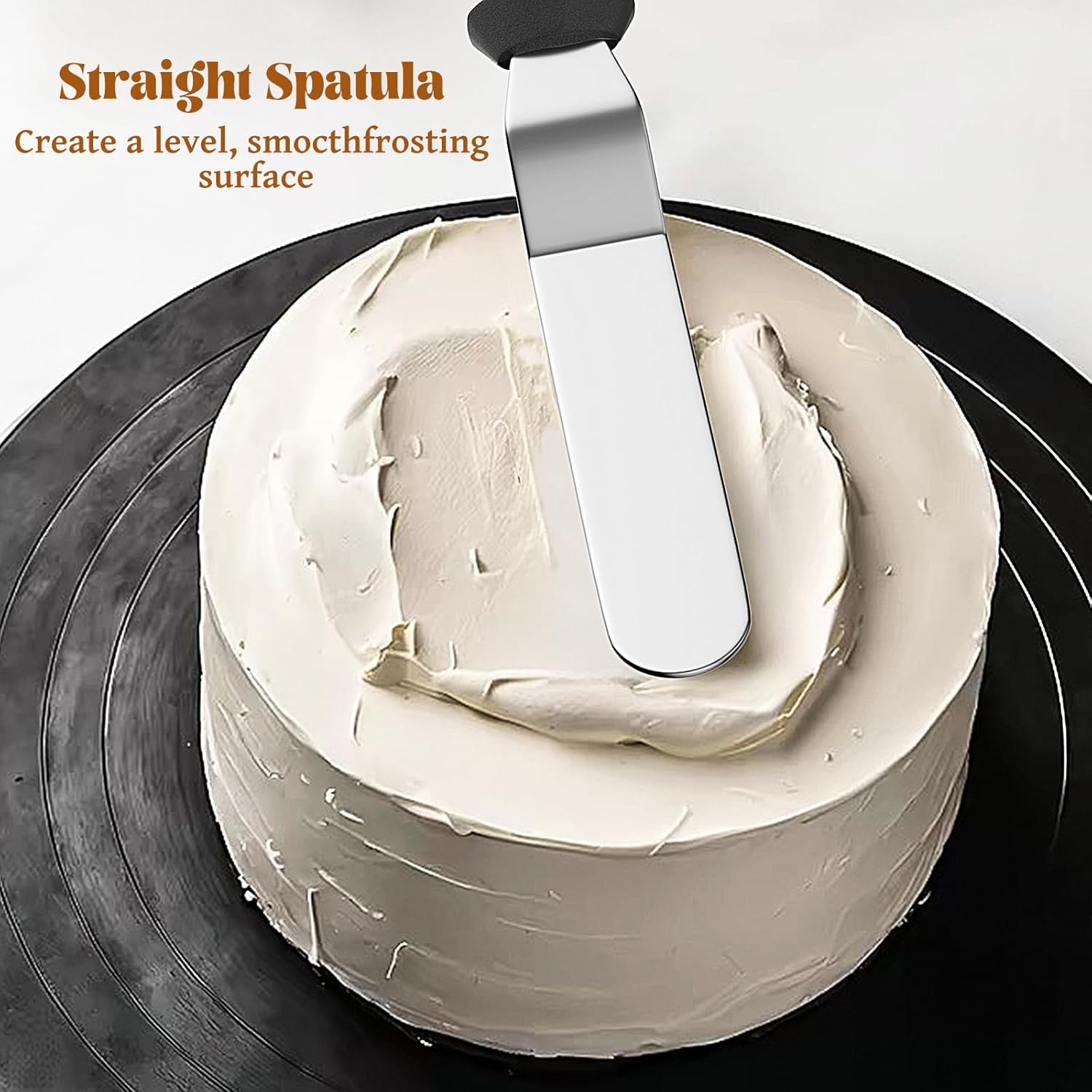
Whisks and spatulas are essential for mixing, folding, and scraping batter and dough. Whisks come in various shapes and sizes, each designed for a specific task, such as beating egg whites or mixing dry ingredients. Spatulas, both silicone and metal, are useful for scraping bowls and spreading batter evenly in pans.
Parchment Paper and Silicone Mats
Parchment paper and silicone mats are invaluable for preventing baked goods from sticking to pans. Parchment paper is disposable, while silicone mats are reusable and can be washed and used multiple times.
Cooling Racks
Cooling racks are essential for allowing baked goods to cool evenly and prevent them from becoming soggy. They come in various sizes and are usually made of metal or wire.
Conclusion
Having the right bakeware and tools can make all the difference in the quality of your baked goods. By investing in high-quality equipment and learning how to use it properly, you can create beautiful and delicious treats that are sure to impress. Whether you’re a beginner or a seasoned pro, taking the time to choose the right tools for the job is an essential part of successful baking.
FAQs
Q: What is the best material for bakeware?
A: The best material for bakeware depends on personal preference and the type of baked good being made. Metal, particularly aluminum, is an excellent heat conductor and is lightweight and easy to clean. Glass is non-reactive and provides even heating, while silicone is flexible, non-stick, and can withstand high temperatures.
Q: What are the essential tools for baking?
A: Some of the most essential tools for baking include measuring cups and spoons, mixing bowls, whisks and spatulas, parchment paper or silicone mats, and cooling racks. These tools can help ensure accurate measurements, even mixing, and consistent results.
Q: Can I use a glass pan instead of a metal pan for baking?
A: Yes, you can use a glass pan instead of a metal pan for baking. However, glass pans do not conduct heat as well as metal pans, so baked goods may take longer to cook and may not brown as evenly. It’s also important to note that glass pans can shatter if exposed to sudden temperature changes, so they should be handled carefully.
Q: How do I prevent baked goods from sticking to the pan?
A: To prevent baked goods from sticking to the pan, you can use parchment paper or silicone mats. These provide a non-stick surface that makes it easy to remove baked goods from the pan. Alternatively, you can grease the pan with butter or cooking spray, which will also help prevent sticking.


