


Bakeware and tools are essential for any baking enthusiast or professional. Whether you’re a beginner or an experienced baker, having the right equipment can make a significant difference in the quality of your baked goods. In this article, we’ll explore the various types of bakeware and tools available and their uses.
Bakeware
Bakeware refers to the dishes and pans used for baking. The most common materials for bakeware include metal, glass, ceramic, and silicone. Each material has its advantages and disadvantages, depending on the type of baked good you’re making.
Metal Bakeware
Metal bakeware is the most popular choice for baking due to its durability and excellent heat conductivity. The most common types of metal bakeware include:
- Aluminum: Lightweight, affordable, and provides even heating. However, it can react with acidic ingredients, affecting the flavor of your baked goods.
- Stainless steel: Durable, non-reactive, and easy to clean. However, it doesn’t conduct heat as well as aluminum.
- Cast iron: Provides even heating and is ideal for baking bread and pies. However, it is heavy and requires seasoning to maintain its non-stick surface.
Glass Bakeware
Glass bakeware is an excellent choice for baking casseroles, pies, and other dishes that require longer cooking times. It provides even heating and allows you to monitor the browning of your baked goods. However, glass is sensitive to sudden temperature changes and can break if exposed to high heat or cold surfaces.
Ceramic Bakeware
Ceramic bakeware is known for its durability and attractive designs. It provides even heating and is ideal for baking casseroles, pies, and bread. However, ceramic can be heavy and may chip or crack if not handled carefully.
Silicone Bakeware
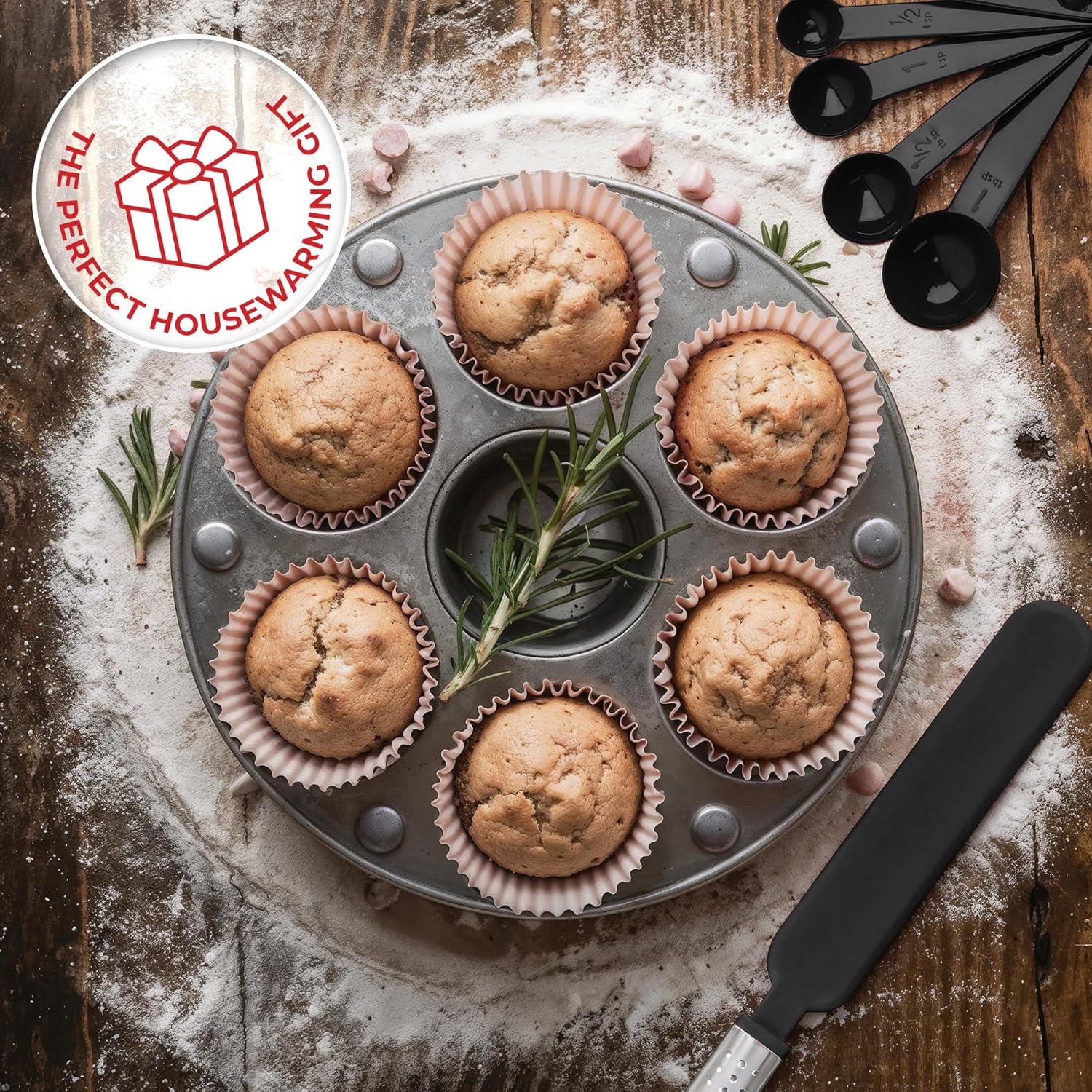
Silicone bakeware is a relatively new addition to the market. It is flexible, non-stick, and easy to clean. Silicone is ideal for baking muffins, cupcakes, and other small baked goods. However, it doesn’t provide the same level of browning as metal or glass bakeware.
Baking Tools
In addition to bakeware, several tools can make baking easier and more efficient. Some of the most essential baking tools include:
Measuring Cups and Spoons
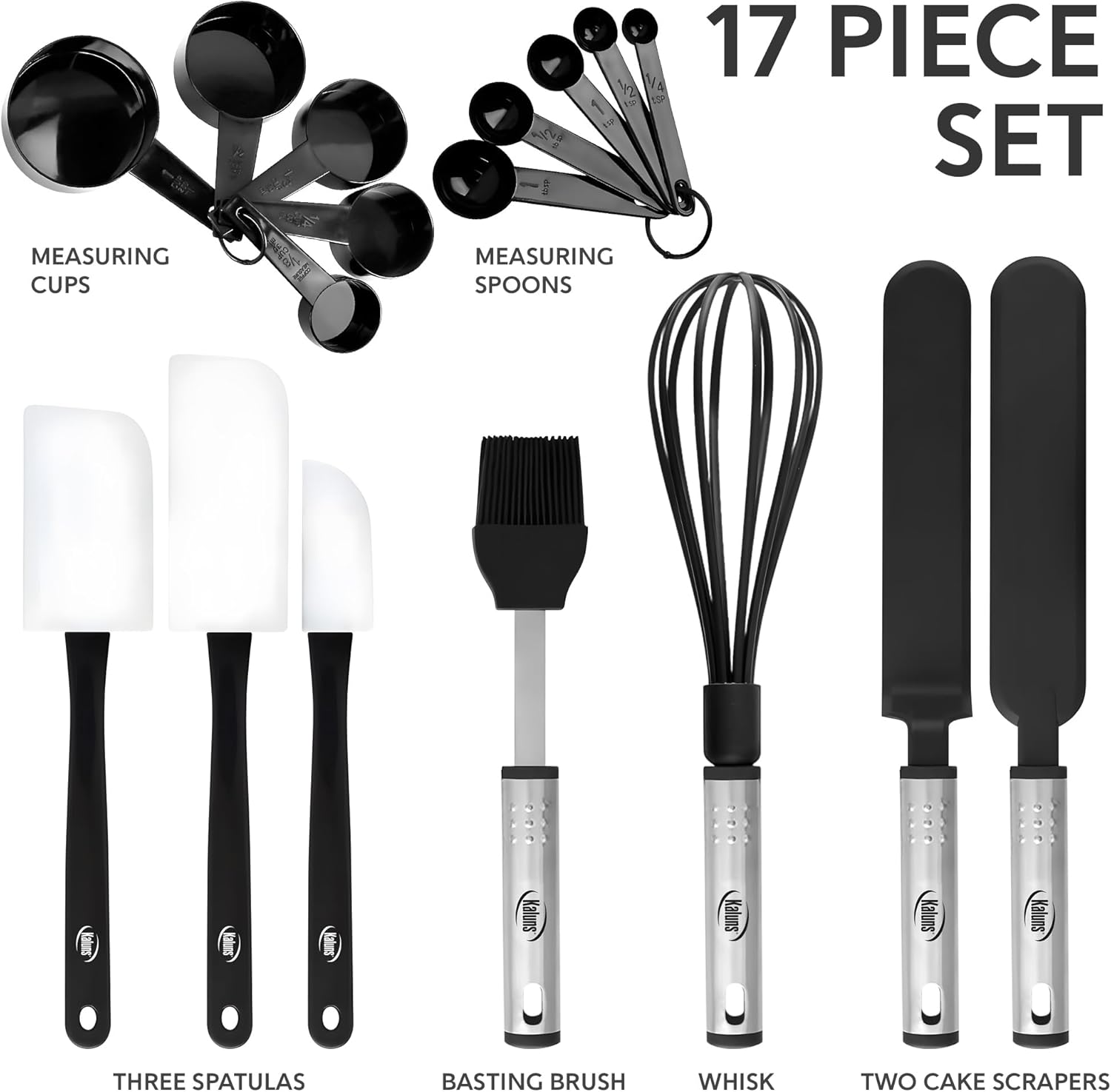
Accurate measurements are crucial for successful baking. Measuring cups and spoons are used to measure dry and liquid ingredients. It’s essential to have a set of measuring cups for dry ingredients and a liquid measuring cup with a spout for easy pouring.
Mixing Bowls
Mixing bowls are used for combining ingredients and mixing batters. It’s helpful to have a set of mixing bowls in various sizes to accommodate different recipes. Stainless steel, glass, and ceramic mixing bowls are popular choices.
Whisk
A whisk is used for mixing dry ingredients, beating eggs, and creating smooth batters. Balloon whisks and flat whisks are the most common types of whisks used in baking.
Spatulas
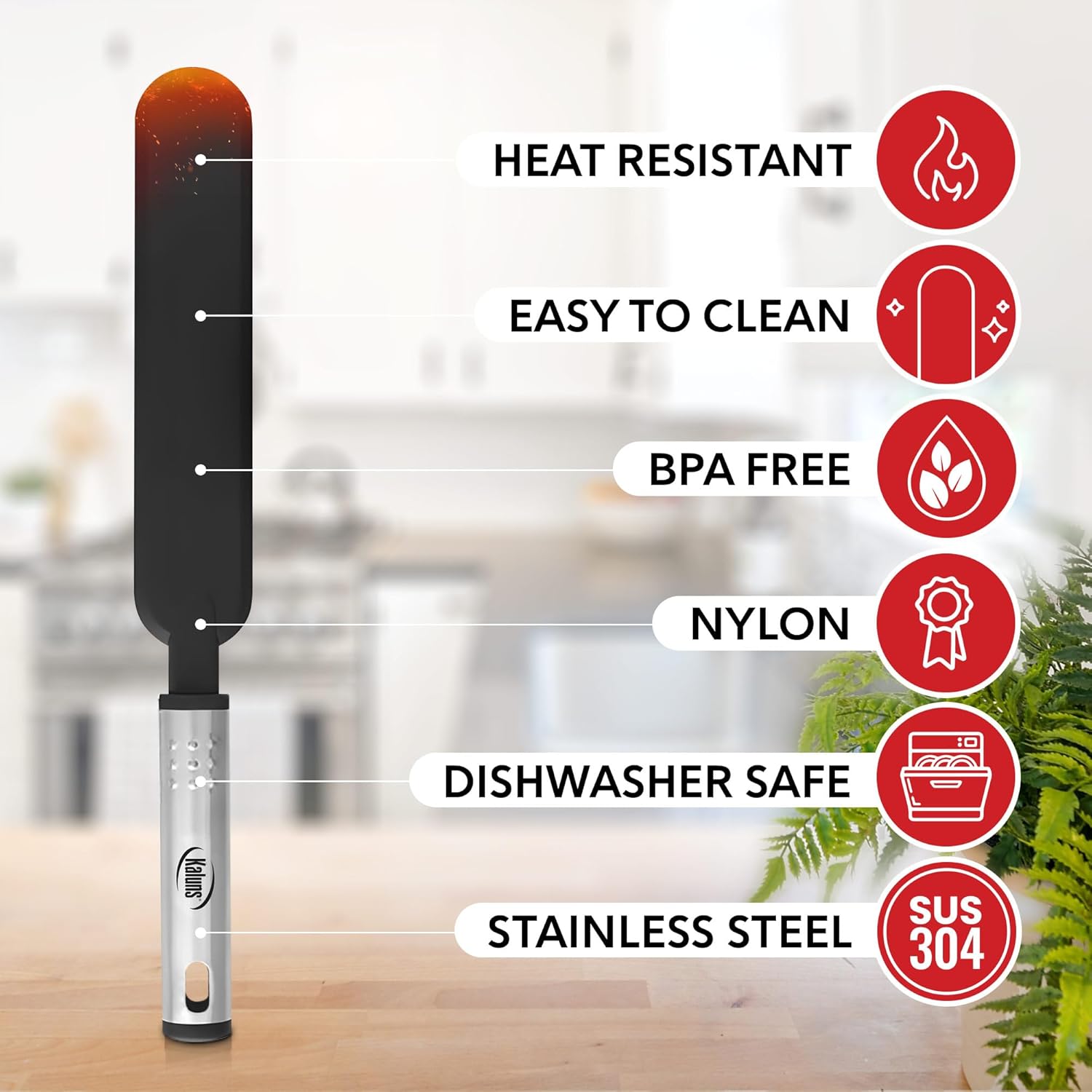
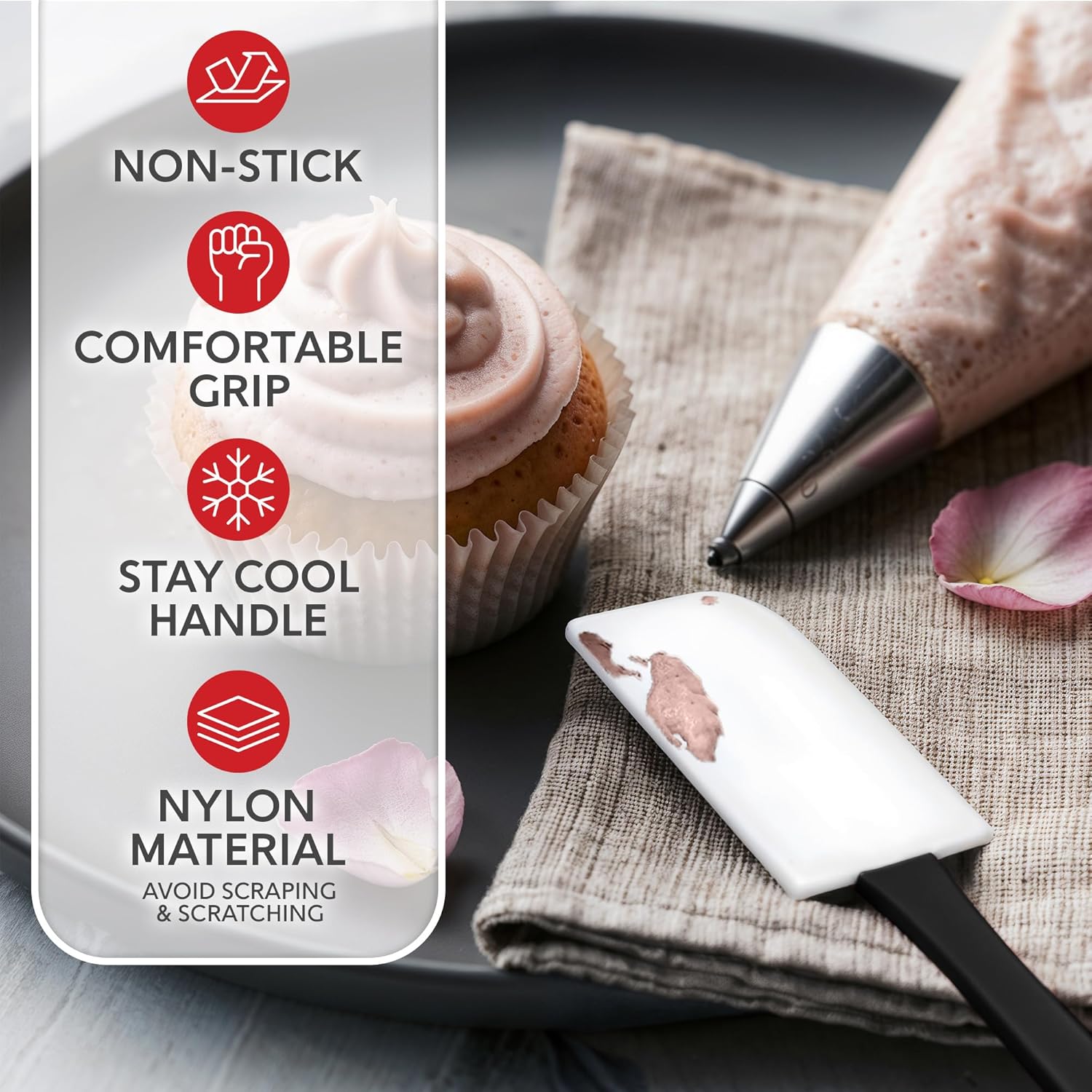
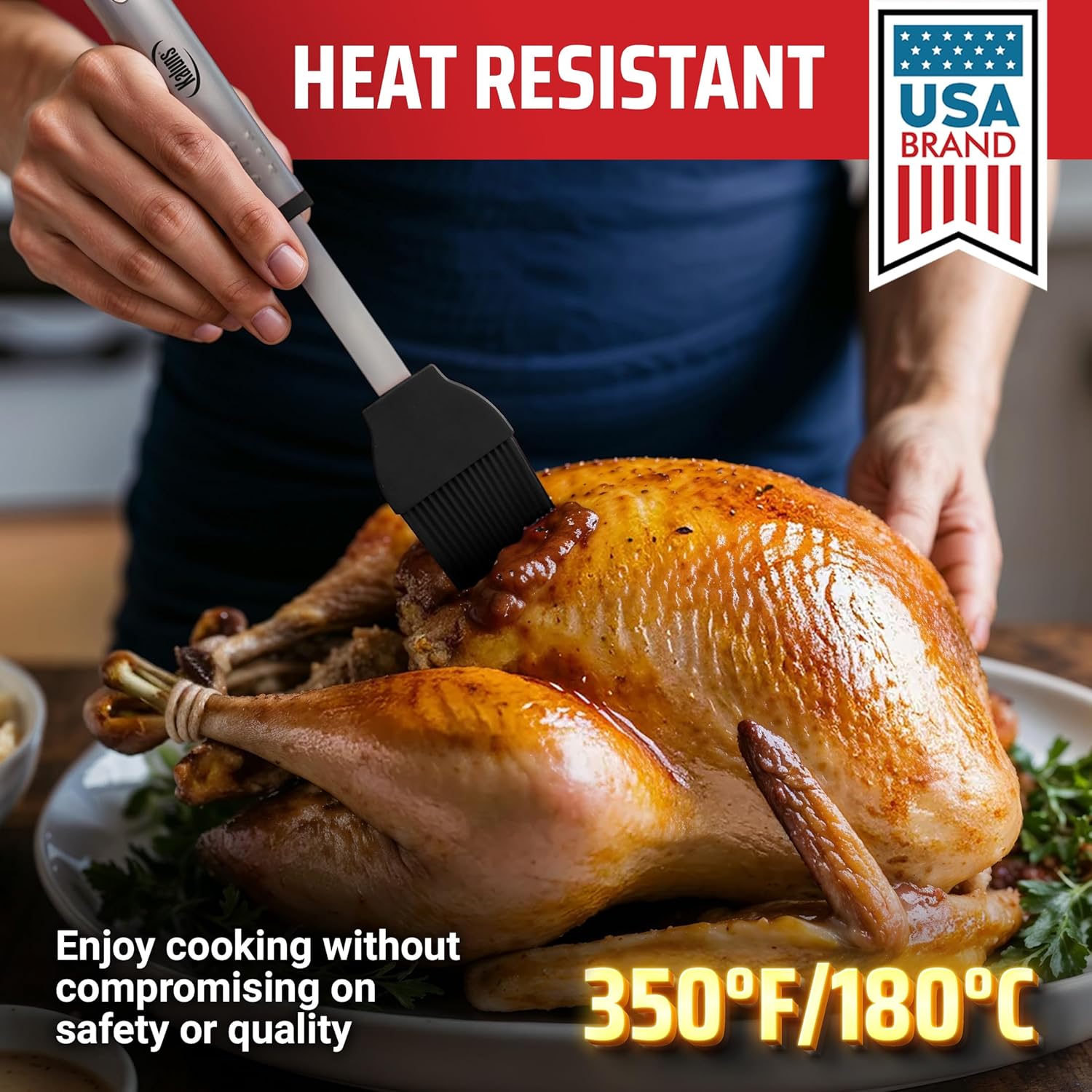
Spatulas are versatile tools used for mixing, scraping, and folding ingredients. Silicone spatulas are heat-resistant and can be used for cooking and baking. Offset spatulas are ideal for spreading frosting and batter evenly.
Rolling Pin
A rolling pin is used for rolling out dough for pies, cookies, and pastries. Wooden rolling pins are the most common, but marble and silicone rolling pins are also available.
Baking Sheets and Pans
Baking sheets and pans are essential for baking cookies, cakes, and bread. Rimmed baking sheets are versatile and can be used for roasting vegetables and meats. Cake pans come in various shapes and sizes, including round, square, and rectangular.
Cooling Racks
Cooling racks are used for cooling baked goods after they come out of the oven. They allow air to circulate around the baked goods, preventing them from becoming soggy.
Conclusion
Having the right bakeware and tools can make baking more enjoyable and successful. When choosing bakeware and tools, consider the type of baked goods you’ll be making and the features that are most important to you, such as durability, heat conductivity, and ease of use. With the right equipment and a little practice, you’ll be well on your way to creating delicious baked goods that impress your family and friends.
FAQs
Q: Can I use a glass pan instead of a metal pan for baking?
A: Yes, you can use a glass pan instead of a metal pan for baking. However, keep in mind that glass pans conduct heat differently than metal pans, so you may need to adjust the baking time and temperature accordingly.
Q: What is the best way to clean bakeware?
A: The best way to clean bakeware depends on the material. For metal bakeware, wash with warm, soapy water and a non-abrasive sponge. For glass and ceramic bakeware, let them cool completely before washing to prevent cracking. Silicone bakeware can be washed in the dishwasher or by hand with warm, soapy water.
Q: Can I use a silicone spatula for cooking?
A: Yes, silicone spatulas are heat-resistant and can be used for cooking and baking. They are also non-stick and easy to clean.
Q: What is the difference between a balloon whisk and a flat whisk?
A: A balloon whisk is used for mixing dry ingredients, beating eggs, and creating smooth batters. A flat whisk is used for mixing ingredients in a shallow pan or dish and is ideal for making roux or gravies.
Q: How do I know when my baked goods are done?
A: The best way to know when your baked goods are done is to follow the recipe’s instructions and use a toothpick or cake tester to check for doneness. Insert the toothpick or cake tester into the center of the baked good, and if it comes out clean or with a few crumbs, it’s done. If it comes out with wet batter, continue baking and check again in a few minutes.


