



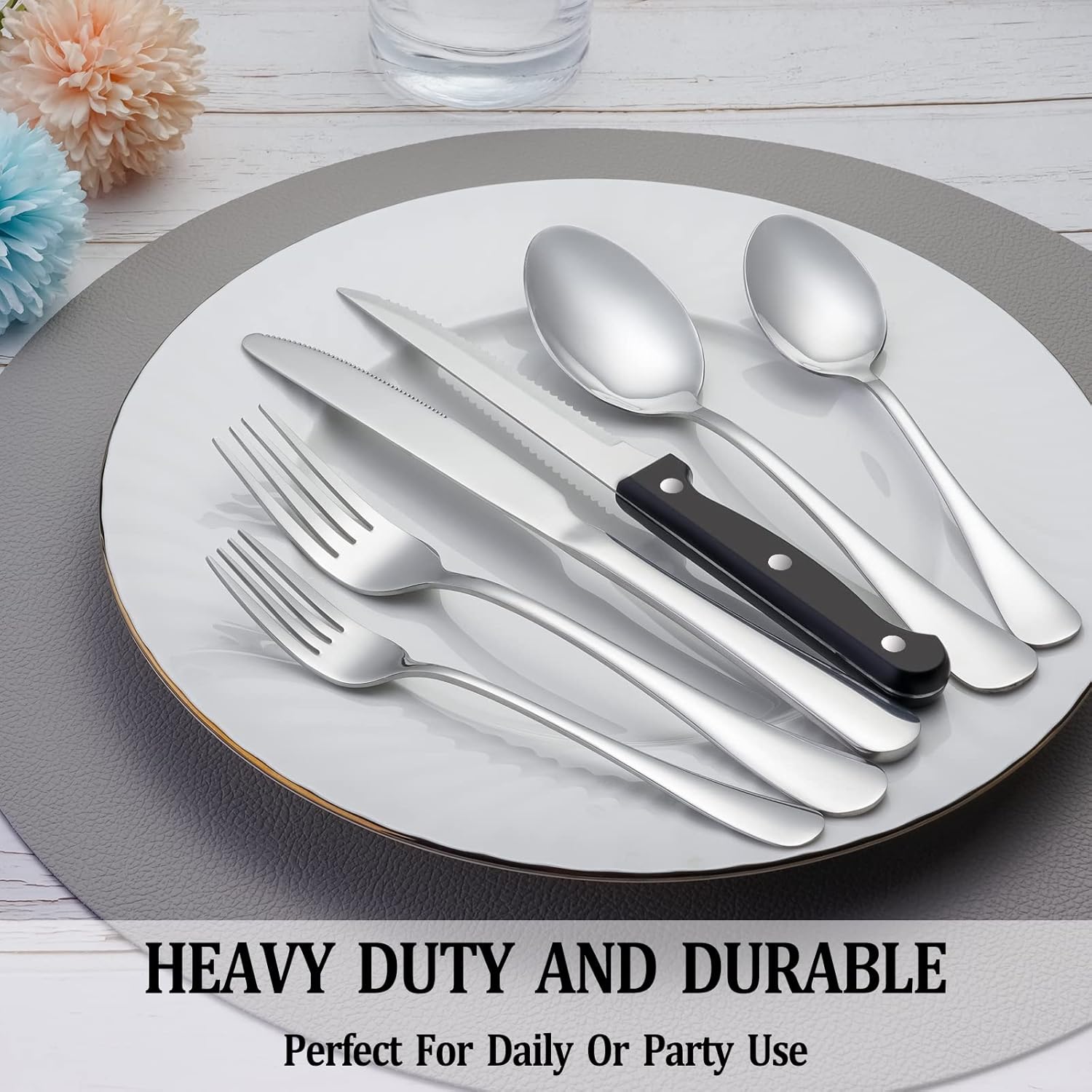
Flatware, also known as silverware or cutlery, is an essential part of any dining experience. It includes forks, knives, spoons, and other utensils used for eating and serving food. Flatware is not only functional but also adds to the overall aesthetic of a table setting. In this article, we will explore the history, types, materials, and care of flatware.
History of Flatware
The use of flatware dates back to ancient times, with evidence of utensils made from materials such as bone, wood, and bronze. However, it wasn’t until the 16th century that silver became the preferred material for flatware among the wealthy. This was due to its durability, resistance to tarnish, and the belief that silver had antimicrobial properties.
In the 18th century, the mass production of silver-plated flatware made it more affordable and accessible to the middle class. This led to an increase in the variety of flatware designs and the development of specialized utensils for specific dishes.
Types of Flatware
There are several types of flatware, each designed for a specific purpose. The most common types include:
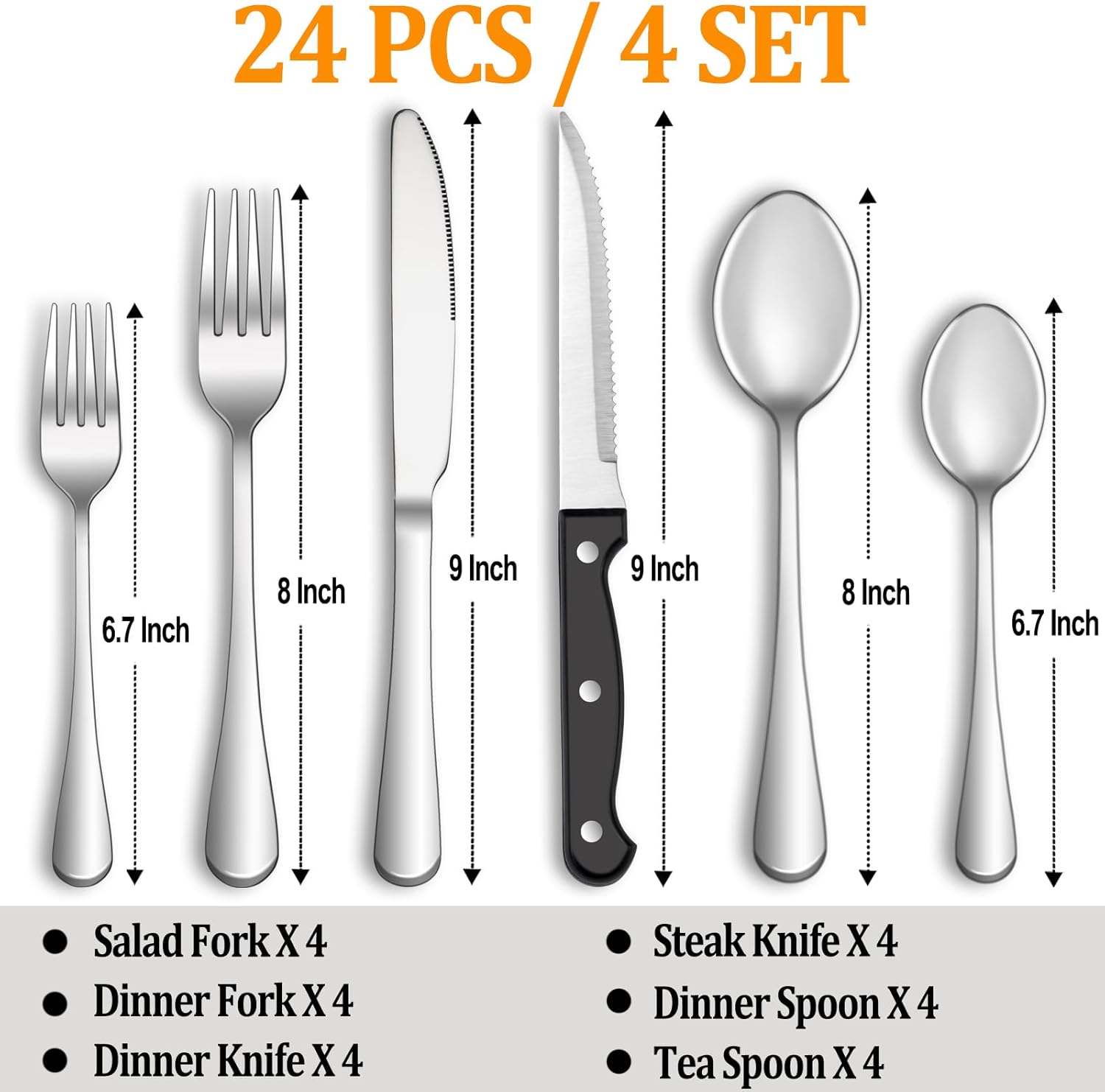
- Dinner Fork: The largest fork in a flatware set, used for main courses.
- Salad Fork: A smaller fork used for salads and appetizers.
- Dinner Knife: A large knife used for cutting main courses.
- Steak Knife: A knife with a serrated edge, designed for cutting steak.
- Butter Knife: A small, rounded knife used for spreading butter.
- Teaspoon: A small spoon used for stirring tea and coffee, and eating desserts.
- Tablespoon: A larger spoon used for serving food.
- Soup Spoon: A rounded spoon used for eating soup.
Materials Used in Flatware
Flatware can be made from a variety of materials, each with its own advantages and disadvantages. The most common materials include:
- Sterling Silver: A high-end material that is durable and resistant to tarnish, but requires regular polishing.
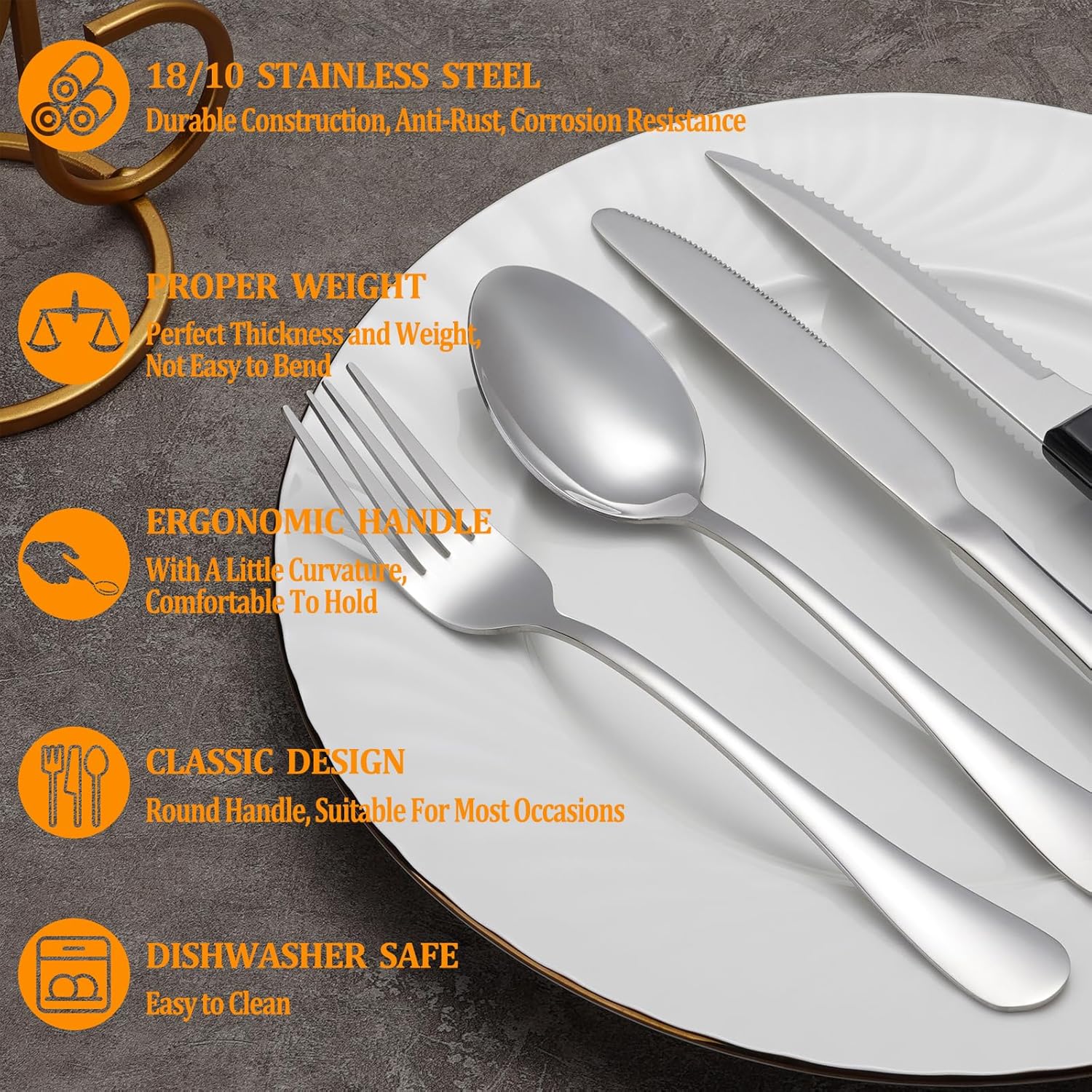
- Stainless Steel: A more affordable option that is resistant to rust and corrosion, and easy to maintain.
- Silver Plate: A base metal with a thin layer of silver, offering the look of silver at a lower cost.
- Pewter: A soft metal that is safe for eating but can tarnish easily.
- Plastic: A disposable option often used for outdoor events or casual gatherings.
Caring for Flatware
To ensure the longevity and appearance of your flatware, proper care is essential. Here are some tips for caring for your flatware:
- Wash flatware promptly after use to prevent food from drying and staining.
- Use a mild detergent and avoid harsh abrasives that can scratch the surface.
- Dry flatware thoroughly to prevent water spots and tarnish.
- Store flatware in a dry place, away from moisture and humidity.
- Polish sterling silver and silver-plated flatware regularly to maintain its shine.
Conclusion
Flatware is an essential part of any dining experience, combining functionality and aesthetics. With a wide range of types, materials, and designs available, there is a flatware set to suit every taste and budget. By understanding the history, types, and care of flatware, you can ensure that your dining experience is both enjoyable and sophisticated.
FAQs
- What is the difference between flatware and silverware?
- How many place settings should I have in a flatware set?
- Can I put flatware in the dishwasher?
- How often should I polish my silver flatware?
Flatware and silverware are often used interchangeably, but there is a slight difference. Silverware specifically refers to utensils made from silver, while flatware encompasses all types of utensils, regardless of the material.
A standard flatware set typically includes enough pieces for 4, 8, or 12 place settings. The number of place settings you need depends on the size of your household and the frequency of entertaining.
Most stainless steel and silver-plated flatware is dishwasher safe. However, it’s best to consult the manufacturer’s instructions to ensure proper care. Sterling silver flatware should be hand washed to prevent damage.
The frequency of polishing depends on the amount of use and exposure to air. As a general rule, polish silver flatware once or twice a year, or when you notice tarnish or dullness.


