




Coffee espresso machines are complex devices that consist of various parts working together to deliver a perfect shot of espresso. Understanding the different components of an espresso machine can help you better appreciate the process and troubleshoot any issues that may arise. In this article, we will explore the main parts of a coffee espresso machine and their functions.
1. Boiler
The boiler is the heart of an espresso machine. It is responsible for heating water to the optimal temperature for brewing espresso, which is typically between 195°F and 205°F (90°C and 96°C). There are two main types of boilers used in espresso machines:
- Single boiler: This type of boiler is found in entry-level and some mid-range machines. It is used for both brewing espresso and steaming milk, which means you cannot do both simultaneously.
- Dual boiler: High-end espresso machines often feature dual boilers, allowing you to brew espresso and steam milk at the same time, making them ideal for commercial use or home baristas who entertain frequently.
2. Pump
The pump is responsible for generating the pressure required to force water through the compacted coffee grounds in the portafilter. Most espresso machines use a vibratory pump or a rotary pump:
- Vibratory pump: These pumps are more common in home espresso machines due to their affordability and compact size. They produce pressure by using a piston that vibrates at a high frequency.
- Rotary pump: Found in commercial and high-end home espresso machines, rotary pumps are more durable and quieter than vibratory pumps. They operate using a rotating disk that creates pressure.
3. Grouphead
The grouphead is where the magic happens. It is the part of the espresso machine that connects the portafilter to the boiler, allowing water to flow through the coffee grounds and extract the flavors and oils. The grouphead also helps maintain a consistent temperature throughout the brewing process.
4. Portafilter
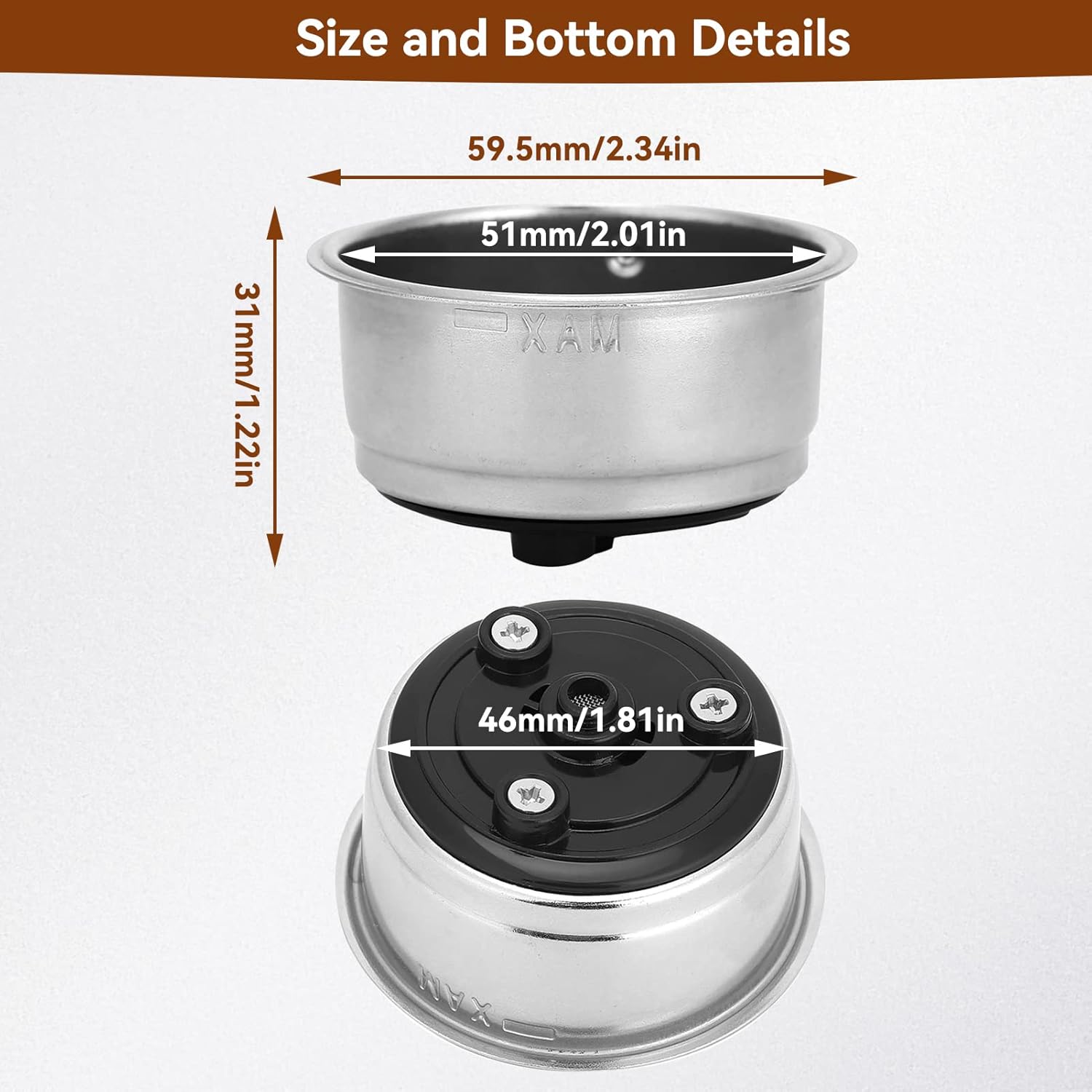
The portafilter is a handle with a filter basket attached to it. It holds the coffee grounds and is locked into the grouphead during the brewing process. Portafilters come in different sizes and materials, such as stainless steel or brass, and can have pressurized or non-pressurized filter baskets.
5. Steam Wand
The steam wand is used to texture milk for cappuccinos, lattes, and other espresso-based drinks. It works by releasing steam from the boiler into the milk, heating it and creating microfoam. Some espresso machines have multiple steam wands, while others have a single wand that can be used for both steaming and hot water.
6. Pressure Gauge
A pressure gauge is an essential component of an espresso machine as it allows you to monitor the pressure during the brewing process. This helps ensure that the water is being forced through the coffee grounds at the optimal pressure, which is typically between 8 and 10 bars. Some machines have multiple gauges to monitor both brew pressure and boiler pressure.
7. Control Panel
The control panel is where you operate the espresso machine. It can include buttons, switches, or digital displays, depending on the machine’s complexity. The control panel allows you to turn the machine on and off, select brewing or steaming functions, and adjust settings such as temperature and pressure.
Conclusion
Understanding the different parts of a coffee espresso machine is crucial for maintaining and troubleshooting your device. By familiarizing yourself with the boiler, pump, grouphead, portafilter, steam wand, pressure gauge, and control panel, you can better appreciate the complexity of the espresso-making process and ensure that your machine is operating at its best. Whether you’re a home barista or a professional, knowing the ins and outs of your espresso machine will help you consistently create delicious, high-quality espresso-based drinks.
FAQs
Q: How often should I descale my espresso machine?
A: The frequency of descaling depends on the hardness of your water and how often you use your machine. Generally, it is recommended to descale every 2-3 months for home machines and more frequently for commercial machines.
Q: Can I use regular coffee beans in my espresso machine?
A: While you can technically use regular coffee beans, it is best to use beans specifically roasted for espresso. Espresso beans are typically roasted longer and ground finer to create a more concentrated flavor and richer crema.
Q: How long should a shot of espresso take to extract?
A: The ideal extraction time for a shot of espresso is between 20 and 30 seconds. If the extraction is too fast or too slow, it can result in an imbalanced flavor profile.
Q: What is the best grind size for espresso?
A: The optimal grind size for espresso is fine, but not too fine. The coffee should feel like fine sand and clump together slightly when pressed between your fingers. The exact grind size may vary depending on your machine and the type of coffee beans used.