



Coffee espresso machines have become an essential appliance for coffee lovers who crave the perfect shot of espresso right in their own homes. These machines come in various sizes, designs, and functionalities, but they all share common parts that work together to brew that delicious cup of coffee. Understanding the different parts of an espresso machine can help you maintain and troubleshoot your device, ensuring that it continues to function optimally. In this article, we will explore the main components of a coffee espresso machine and their roles in the brewing process.
1. Water Reservoir
The water reservoir is where you fill the machine with fresh water, which is then heated and used to brew your espresso. The size of the reservoir varies depending on the machine, but it is essential to use clean, filtered water to ensure the best-tasting coffee and to prevent mineral buildup in your machine. Some espresso machines have removable water tanks for easy filling and cleaning.
2. Heating Element
The heating element is responsible for raising the water temperature to the optimal level for brewing espresso, which is typically between 195°F and 205°F (90°C and 96°C). There are two main types of heating elements used in espresso machines: thermoblocks and boilers. Thermoblocks heat water on demand, while boilers heat a larger volume of water and maintain it at the desired temperature.
3. Pump
The pump is responsible for generating the pressure needed to force water through the coffee grounds in the portafilter. Espresso machines typically use either a vibratory pump or a rotary pump. Vibratory pumps are more common in home espresso machines, while rotary pumps are often found in commercial machines. The pump is crucial for achieving the ideal pressure of 9-10 bars, which is necessary for extracting the full flavor and aroma from the coffee grounds.
4. Grouphead
The grouphead is the part of the espresso machine where the portafilter attaches. It contains a shower screen, which disperses the hot water evenly over the coffee grounds in the portafilter. The grouphead also has a gasket that creates a seal between the portafilter and the machine, ensuring that the high-pressure water is forced through the coffee grounds and not around the edges of the portafilter.
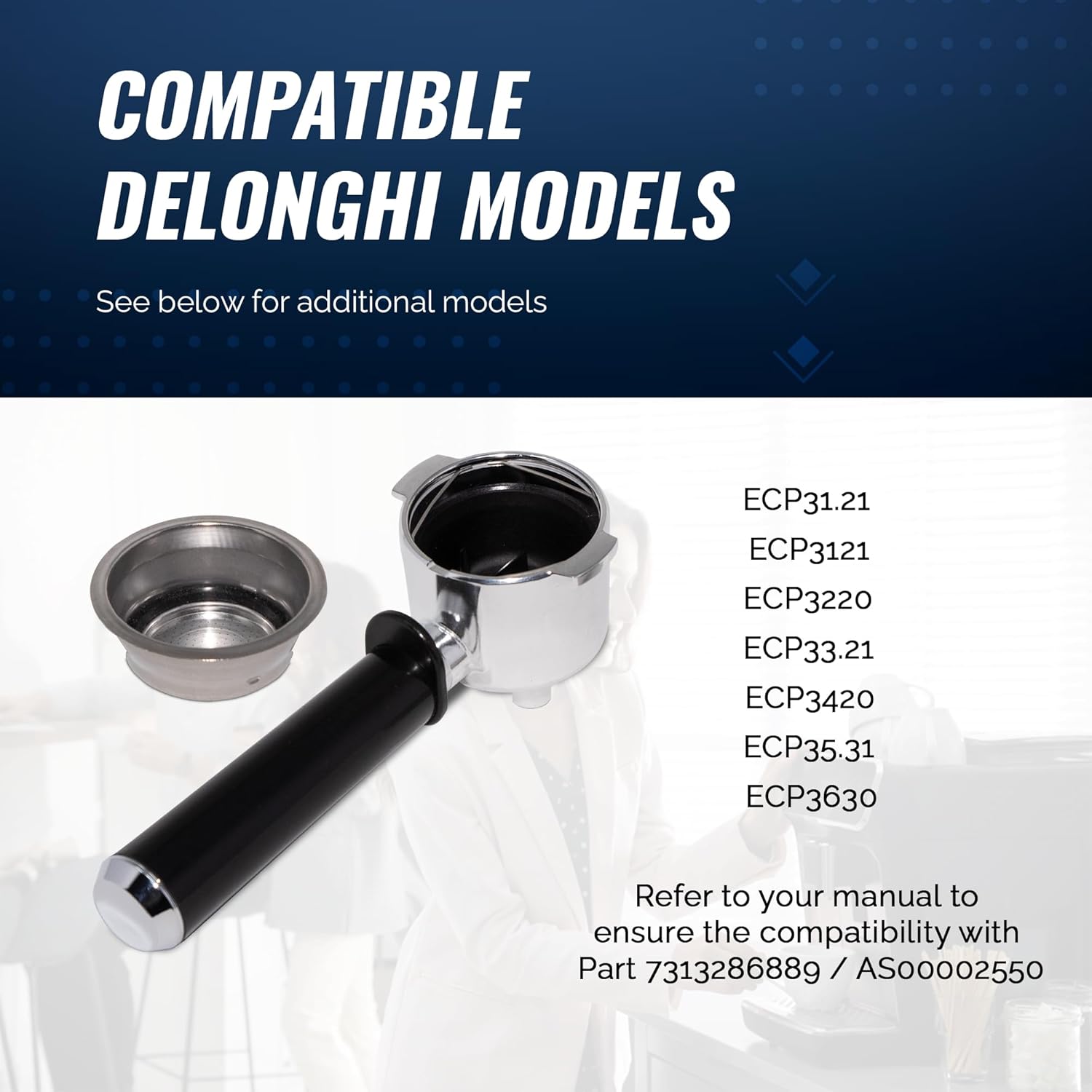
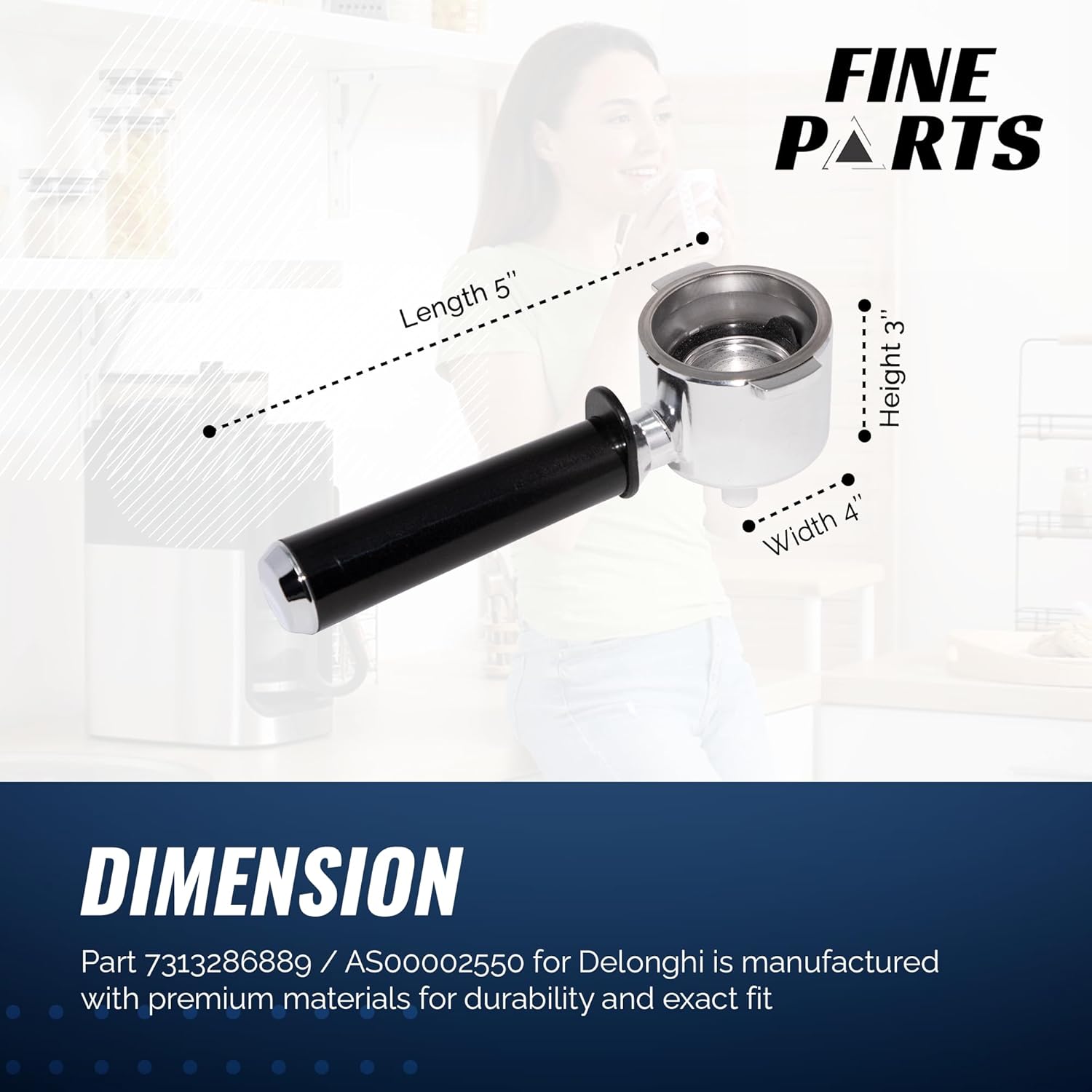
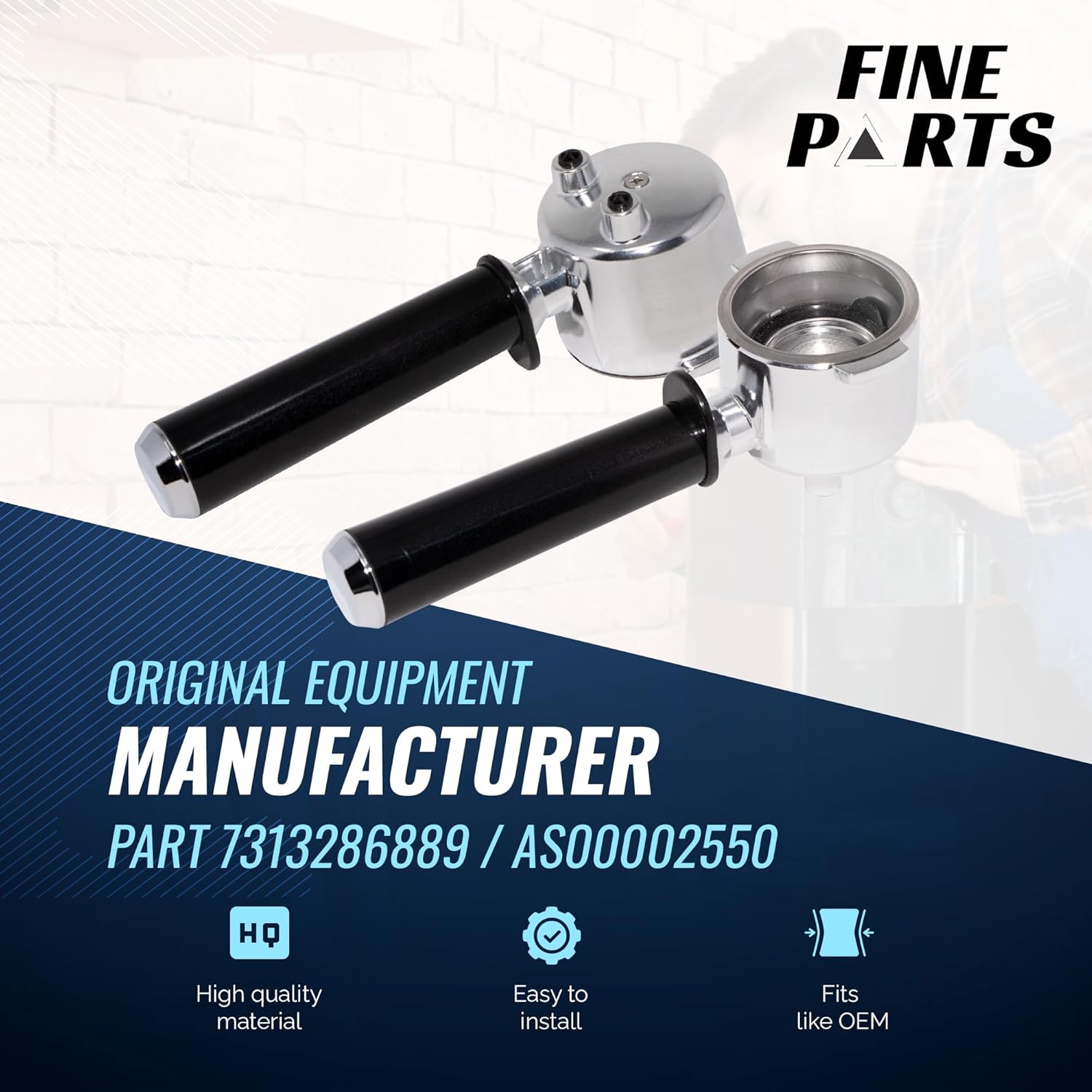
5. Portafilter
The portafilter is a handled device that holds the coffee grounds during the brewing process. It typically consists of a handle, a basket, and a spout (or two spouts for a double shot). The basket holds the coffee grounds, and the spout directs the brewed espresso into your cup. Portafilters come in different sizes and materials, such as stainless steel or brass, and some are pressurized to help beginners achieve a consistent extraction.
6. Steam Wand
The steam wand is used to froth milk for cappuccinos, lattes, and other espresso-based drinks. It works by releasing steam from the machine’s heating element, which heats and aerates the milk, creating a silky foam. Some espresso machines have a separate boiler for steam production, while others use a single boiler for both brewing and steaming. The steam wand is usually controlled by a knob or button on the machine’s interface.
7. Drip Tray
The drip tray is located beneath the grouphead and catches any excess water or coffee that spills during the brewing process. It is removable for easy cleaning and should be emptied regularly to prevent overflow and maintain a hygienic brewing environment.
8. Grind and Tamp
While not technically parts of the espresso machine itself, the grinder and tamper are essential tools for achieving the perfect espresso. A quality burr grinder is necessary for grinding coffee beans to the correct consistency, while a tamper is used to press the grounds evenly into the portafilter basket. This ensures an even extraction and a balanced flavor in your espresso shot.
Conclusion
Understanding the different parts of a coffee espresso machine can help you appreciate the complexity of the brewing process and the importance of each component in creating the perfect shot of espresso. By familiarizing yourself with these parts and their functions, you can better maintain your machine, troubleshoot issues, and ultimately enjoy a delicious espresso experience at home.
FAQs
Q: How often should I descale my espresso machine?
A: It is recommended to descale your espresso machine every 3-6 months, depending on the hardness of your water and the frequency of use. Regular descaling helps remove mineral deposits and ensures optimal performance and taste.
Q: Can I use pre-ground coffee in my espresso machine?
A: While pre-ground coffee can be used in an espresso machine, it is not recommended for the best results. Coffee begins to lose its flavor and aroma shortly after grinding, so freshly ground beans will always produce a better-tasting espresso. Investing in a quality burr grinder will allow you to grind beans to the perfect consistency for your machine.
Q: How do I know if my espresso machine is reaching the correct pressure?
A: Most espresso machines have a pressure gauge that indicates the current pressure during brewing. The ideal pressure for extracting espresso is between 9 and 10 bars. If your machine does not have a pressure gauge, you can monitor the quality of your espresso extraction to determine if the pressure is adequate. A proper extraction should have a thick, creamy crema on top and a balanced flavor.


