


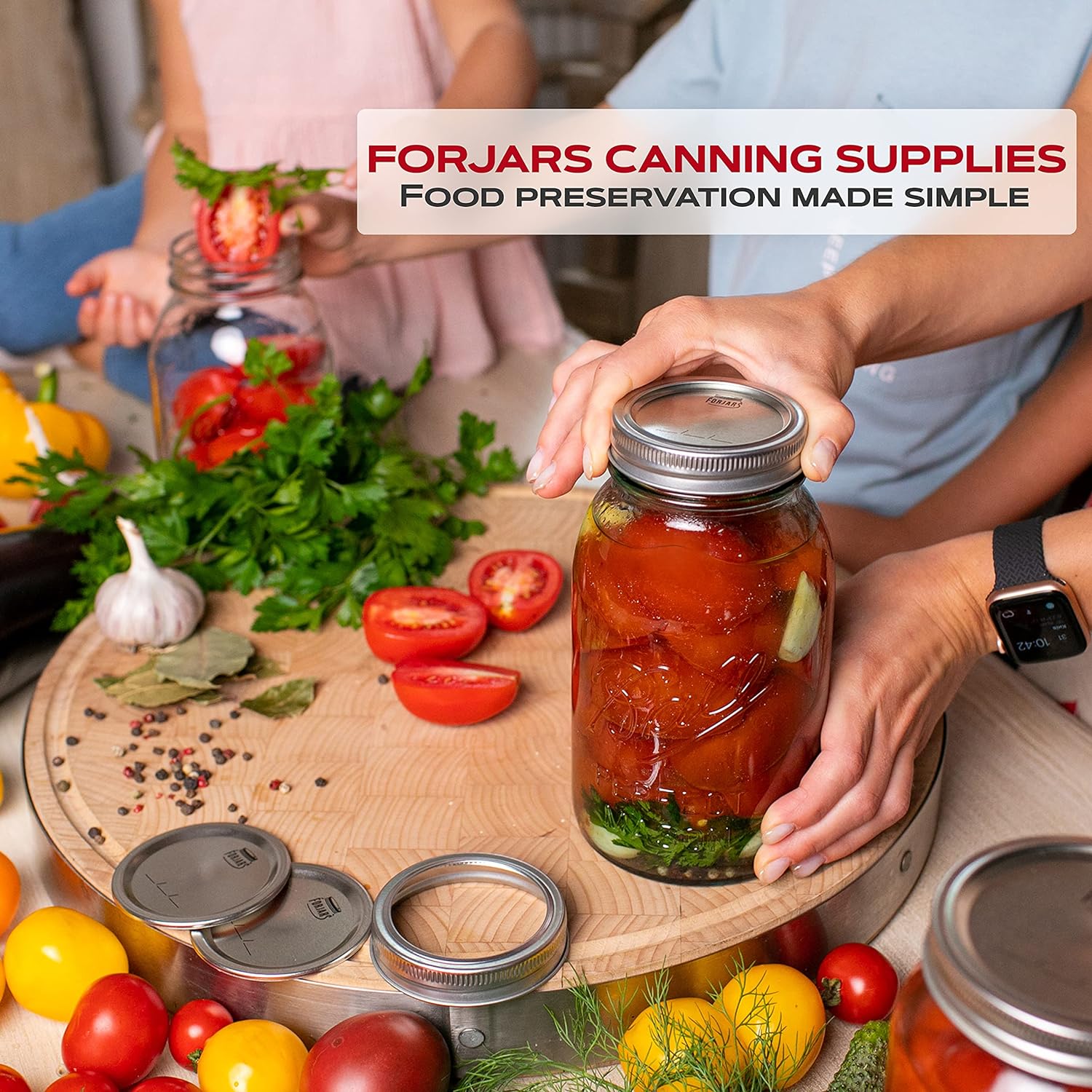
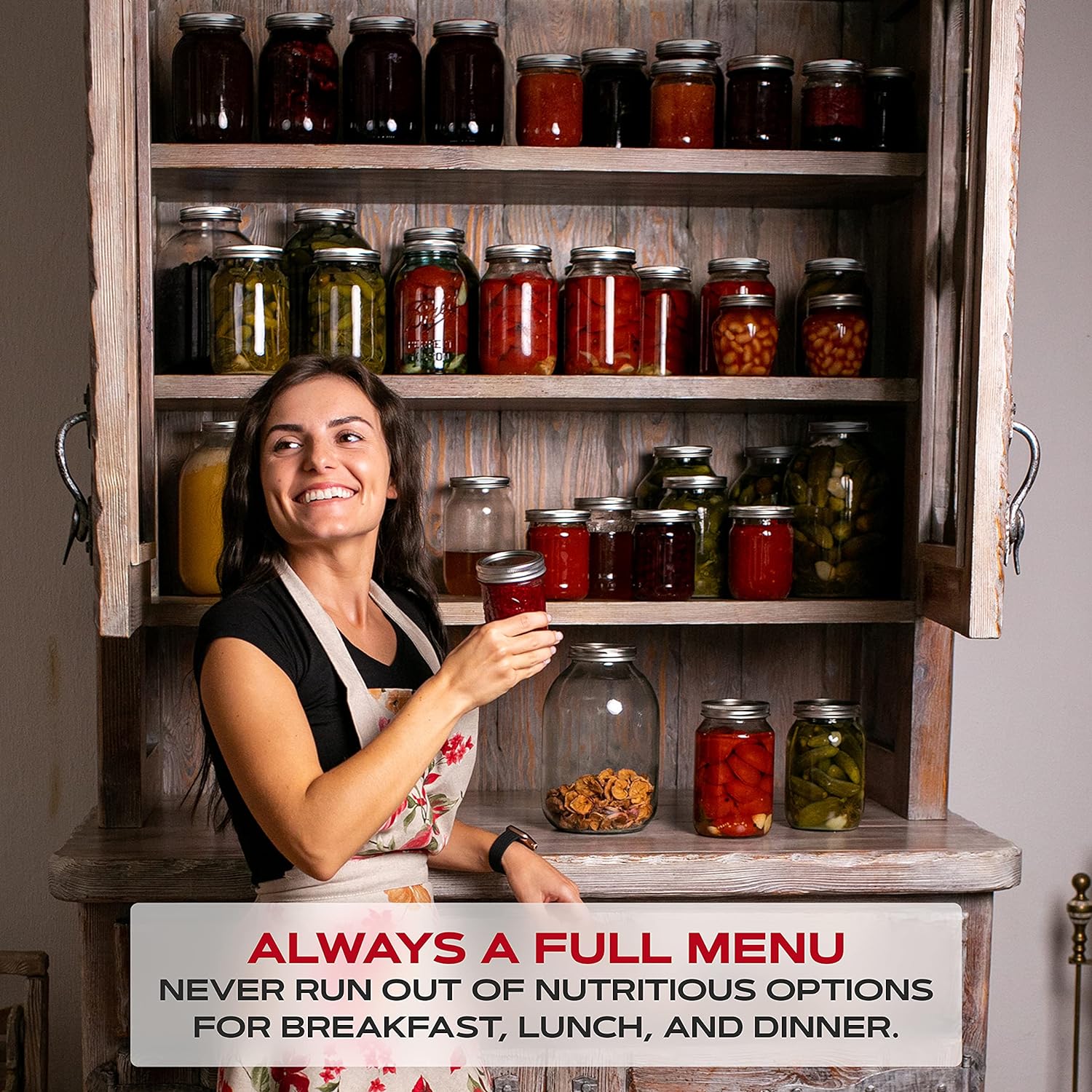
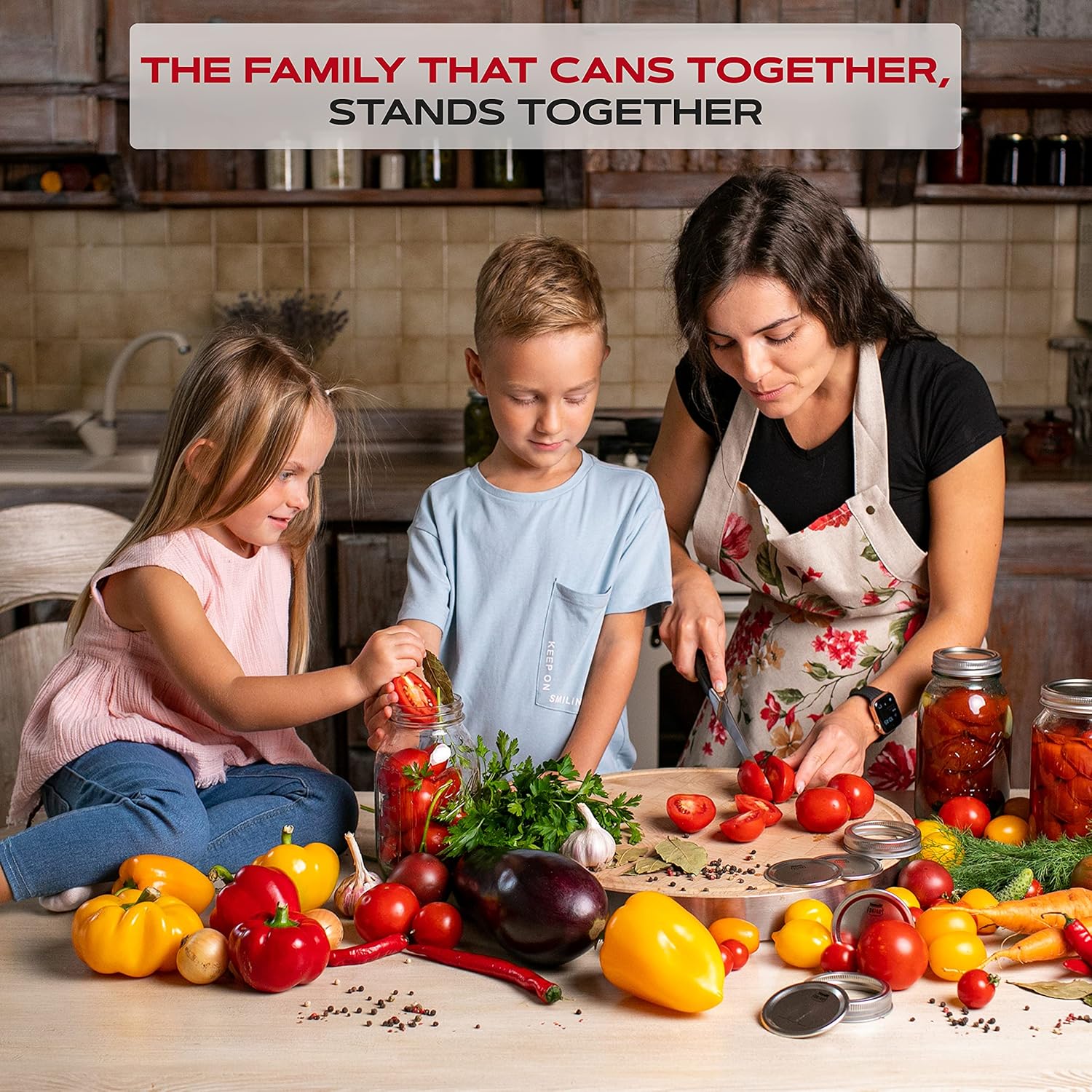
Canning is a popular method of preserving food that has been used for centuries. It involves placing food in airtight containers, such as jars or cans, and heating them to a high temperature to kill bacteria and other microorganisms that cause spoilage. This process allows food to be stored for long periods without the need for refrigeration. Canning products have become increasingly popular in recent years, as more people look for ways to preserve their own food at home.
Types of Canning Products
There are several types of canning products available on the market today, each designed for specific purposes. Some of the most common types include:
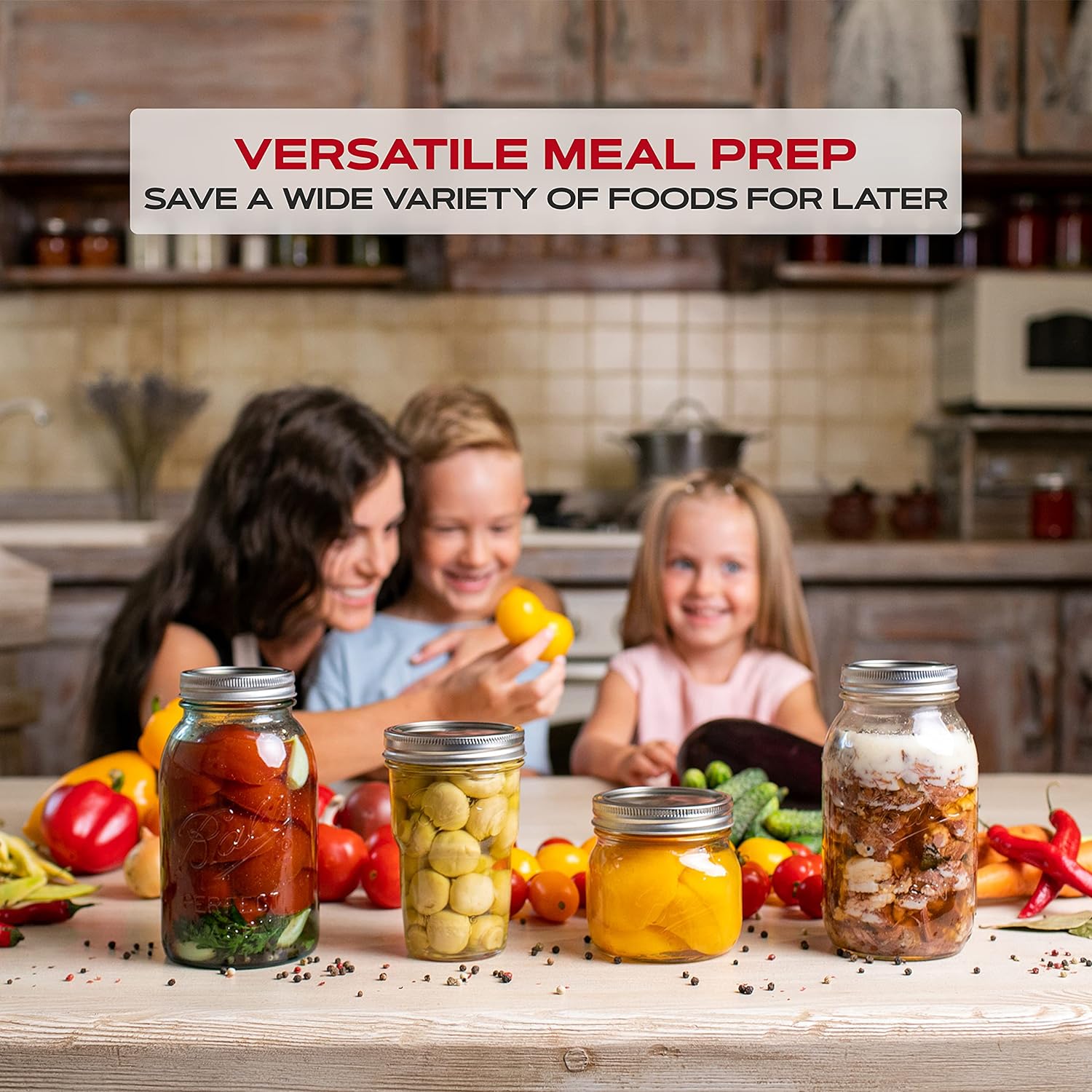
- Mason Jars: These are the most popular type of canning jar and are made of glass with a screw-on lid. They come in various sizes and are ideal for canning fruits, vegetables, jams, and jellies.
- Pressure Canners: These are specialized pieces of equipment that are used to can low-acid foods, such as meat, poultry, and vegetables. They work by creating a high-pressure environment that kills bacteria and other microorganisms.
- Water Bath Canners: These are large pots that are used to can high-acid foods, such as fruits, jams, and jellies. They work by immersing the jars in boiling water, which kills bacteria and creates a vacuum seal.
- Vacuum Sealers: These are machines that remove air from canning jars and create a vacuum seal. They are often used in conjunction with other canning methods to ensure a tight seal and longer shelf life.
Benefits of Canning Products
Canning products offer several benefits, including:
- Longer Shelf Life: Canned foods can last for years when stored properly, making them a great option for emergency preparedness or long-term storage.
- Cost-Effective: Canning your own food can save you money in the long run, as you can buy food in bulk and preserve it for later use.
- Healthier: Canning your own food allows you to control what goes into it, ensuring that you are eating healthy, natural ingredients.
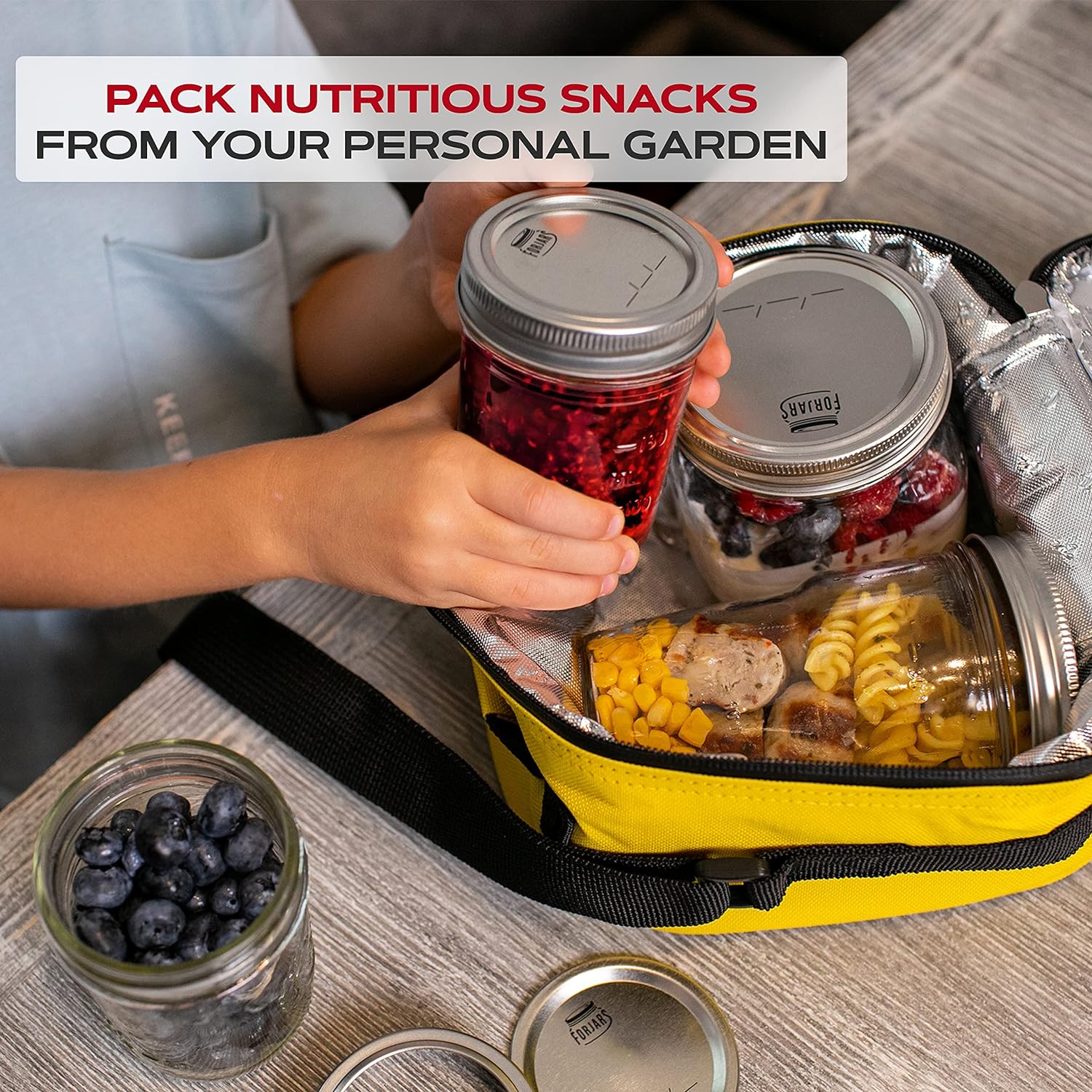
- Convenient: Canned foods are easy to store and transport, making them a convenient option for busy lifestyles.
How to Can Food at Home
Canning food at home is a relatively simple process, but it does require some specialized equipment and knowledge. Here are the basic steps involved in canning food at home:
- Prepare Your Food: Wash and prepare your food according to the recipe you are using. This may involve blanching, chopping, or cooking the food.
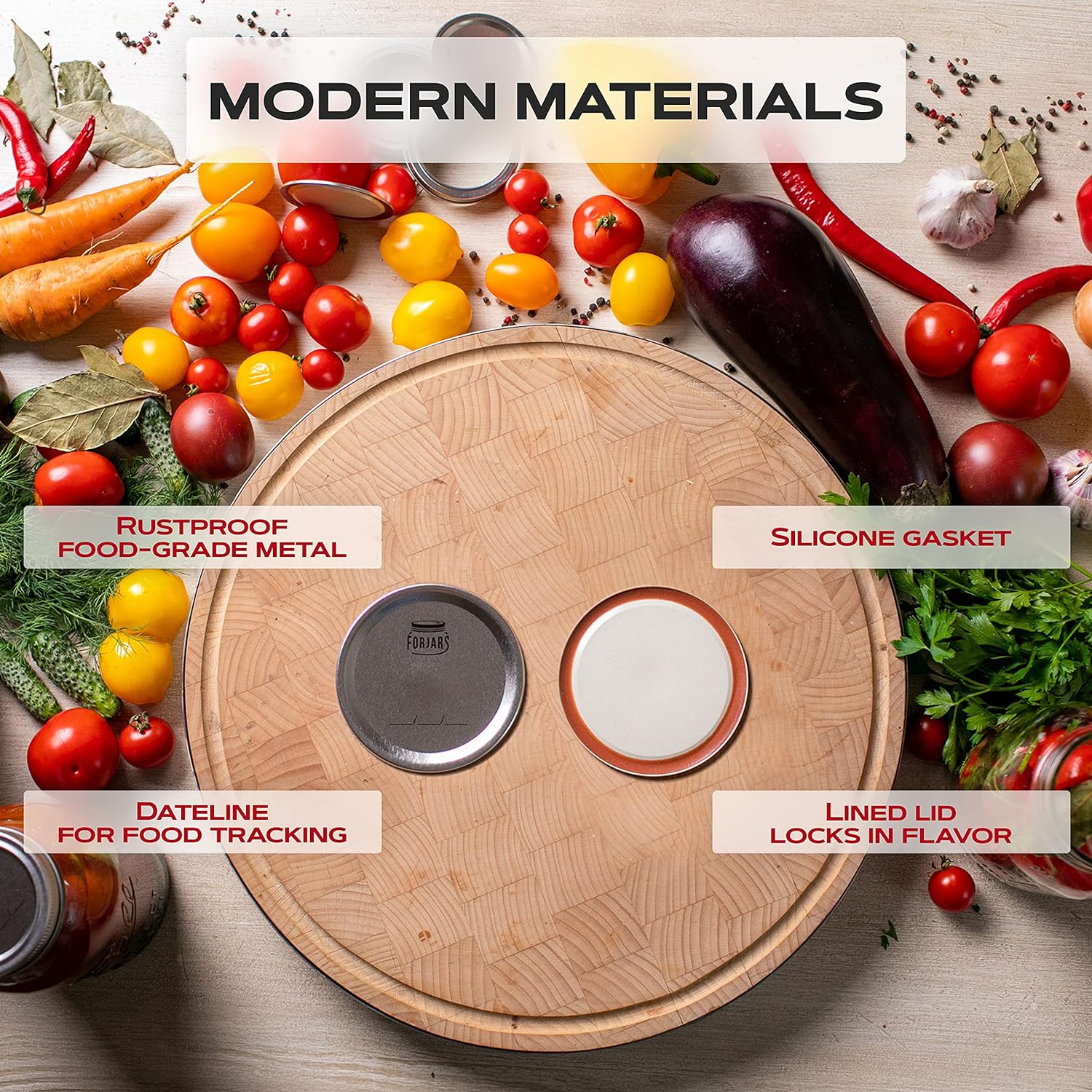
- Sterilize Your Jars: Wash your jars and lids in hot, soapy water and then sterilize them in boiling water for 10 minutes.
- Fill Your Jars: Fill your jars with the prepared food, leaving the appropriate amount of headspace according to the recipe.
- Process Your Jars: Place your jars in a water bath or pressure canner and process them according to the recipe instructions.
- Cool and Store: Remove your jars from the canner and allow them to cool completely before storing them in a cool, dry place.
Tips for Successful Canning
Here are some tips to help ensure your canning projects are successful:
- Always use fresh, high-quality ingredients to ensure the best flavor and texture.
- Follow recipes exactly, as even small changes can affect the safety and quality of your canned goods.
- Use the appropriate canning method for the type of food you are preserving.
- Make sure your jars are properly sealed before storing them.
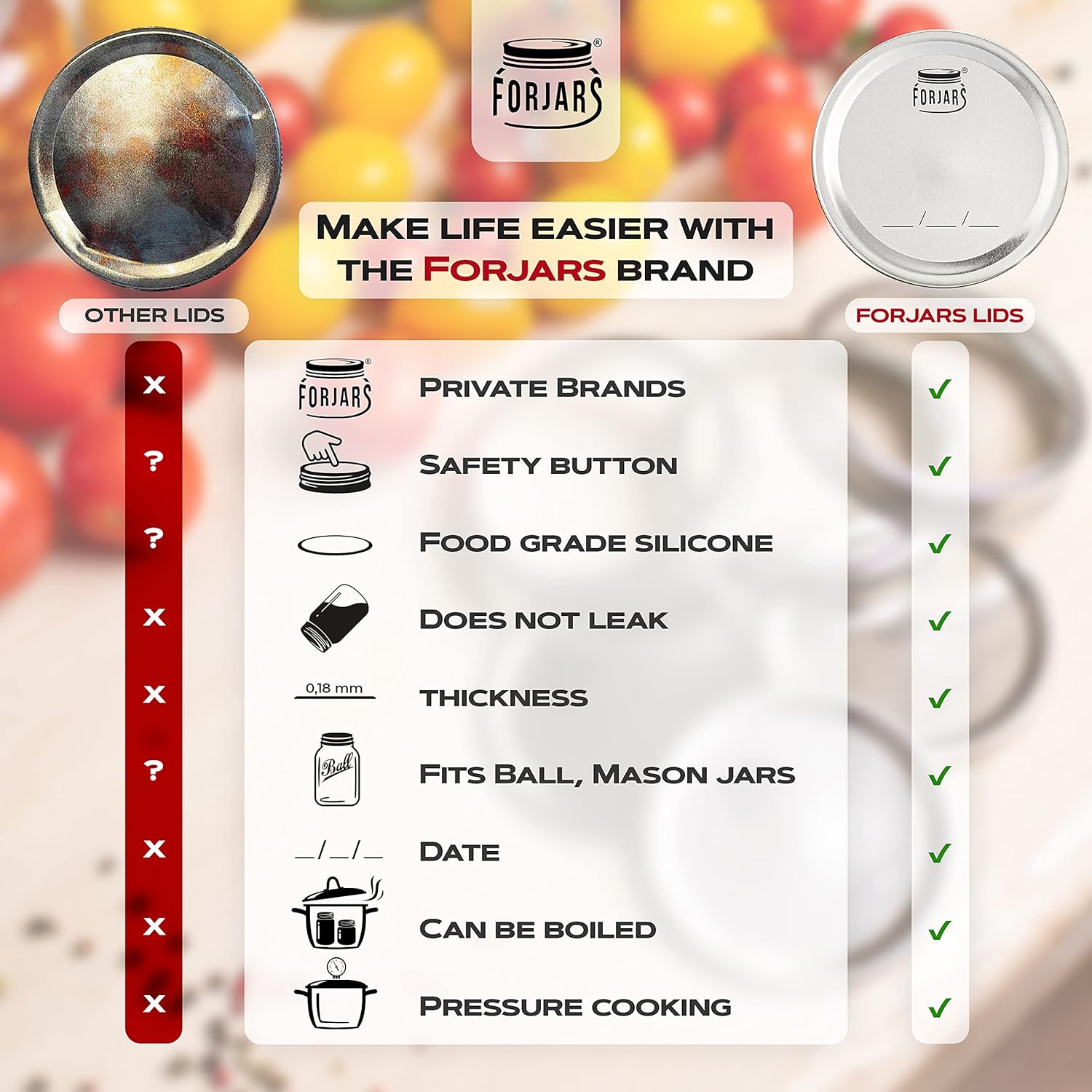
- Label your jars with the contents and date so you can keep track of what you have canned and when.
Conclusion
Canning products are a great way to preserve food and enjoy the fruits of your labor all year round. With the right equipment and knowledge, anyone can learn to can food at home. Whether you are looking to save money, eat healthier, or just enjoy the satisfaction of preserving your own food, canning is a rewarding and practical skill to have.
FAQs
Q: What foods can be canned?
A: Most foods can be canned, including fruits, vegetables, meats, poultry, and seafood. However, some foods, such as dairy products and high-acid foods, require special handling or cannot be canned at all.
Q: How long does canned food last?
A: Properly canned and stored food can last for years, but the exact shelf life depends on the type of food and the storage conditions. Most canned foods will last for at least one year, but some can last for up to five years or more.
Q: Is canning safe?
A: Canning is safe when done properly, but it is important to follow recipes and instructions carefully to avoid the risk of foodborne illness. Always use proper canning techniques and equipment, and discard any food that shows signs of spoilage.
Q: Can I reuse canning jars and lids?
A: Canning jars can be reused as long as they are free from chips or cracks, but lids should be replaced after each use to ensure a proper seal.


